MEMORIAL CENTER CALLS FOR REJECTION OF PROPOSED VUKOVAR RESOLUTION
Republika Srpska - region - EU
11/25/2026
15:03

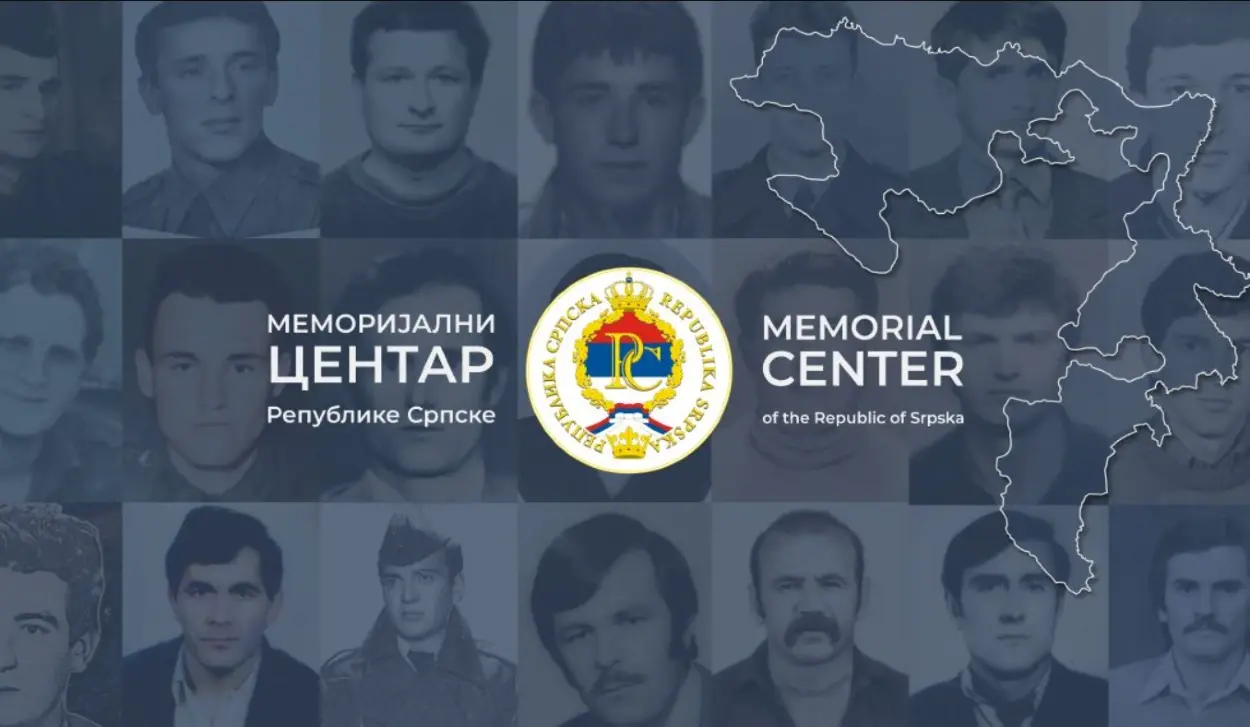
BANJA LUKA, NOVEMBER 25 /SRNA/ - The Memorial Center of Republika Srpska is asking the European Parliament to reject the proposed resolution on Vukovar and to allow it to present to MEPs and the institution's competent bodies the documented suffering of the Serb people, with special emphasis on the suffering of Serbs in Croatia.
In an open letter to members of the European Parliament, the Memorial Center warns that adopting the resolution could further marginalize Serb victims in the European institutional space and have far-reaching consequences for historical scholarship, education and the formation of historical awareness among future generations.
It points in particular to the danger that political resolutions could become the basis for creating educational content and history textbooks, and that omitting the facts about the suffering of the Serb people could lead future generations to form an incomplete picture of the causes, course and consequences of the wars of the 1990s.
"The right of future generations to know the complete history includes the right to know who the Serb victims were, where they died and under what circumstances. Lasting reconciliation among peoples cannot be built on selective knowledge of the past," the letter states.
The Memorial Center also pointed to the genocide against Serbs, Jews and Roma in the Independent State of Croatia during the Second World War, and to the suffering of the Serb population in the 1990s in Vukovar, Gospić, Sisak, Zagreb, Bjelovar, Pakračka Poljana, the Medak Pocket and many other places.
The letter states that more than 250,000 Serbs were expelled during the Croatian criminal operations Flash and Storm.
According to data from the Veritas Documentation and Information Center, 8,655 people of Serb nationality from the territory of the Republic of Croatia and the former Republic of Srpska Krajina died or were killed between 1990 and 1998, of whom 1,461 are still listed as missing, while no one has been held criminally responsible for numerous crimes against the Serb population.
The letter stresses that EU membership cannot be the basis for a privileged position in the European culture of remembrance, just as the absence of such membership must not be a reason to ignore the historical experience and suffering of other peoples.
The Memorial Center of Republika Srpska, which has so far recorded more than 1,900 audio-visual testimonies from Serb victims and direct witnesses of wartime events, says it is ready to make available to the European Parliament the relevant archival material, historical documentation and testimonies it holds.
The letter also stresses the responsibility of European institutions not to deepen, through their own political decisions, the historical and national divisions whose overcoming they set as a condition of the European future of the former Yugoslav space.
"We expect the European Parliament to reject the proposed resolution and show that political affiliation, national representation and the balance of power in European institutions cannot be the measure of the dignity of human victims," concludes the open letter from the Memorial Center of Republika Srpska, signed by the center's director, Denis Bojić.
Croatian member of the European Parliament and EU rapporteur for Serbia Tonino Picula said, regarding the resolution on Vukovar, which was debated in that EU institution last night, that Serbia is expected to open its war archives and provide concrete information on the missing.
Croatian MEPs from various political groups prepared a resolution on the 35th anniversary of the "fall of Vukovar", which the European Parliament will vote on tomorrow and which sets a series of demands on Serbia concerning the war legacy of the 1990s.

MEMORIAL CENTER CALLS FOR REJECTION OF PROPOSED VUKOVAR RESOLUTION
MERZ: COUNTRY IS GOING THROUGH CRISIS
OFFICIAL TRIP FOR BEST MEN, WHILE BANJA LUKA STILL WAITS FOR TRAM AND MAYOR
DODIK TO BEĆIROVIĆ: STOP LECTURING REPUBLIKA SRPSKA, START RESPECTING LETTER OF THE CONSTITUTION AND HISTORY