LOZO: DEFENDING ORIGINAL COMPETENCIES GRANTED UNDER THE DAYTON ACCORDS REMAINS CRUCIAL
Republika Srpska - Dayton Peace Agreement - anniversary
11/19/2026
10:17

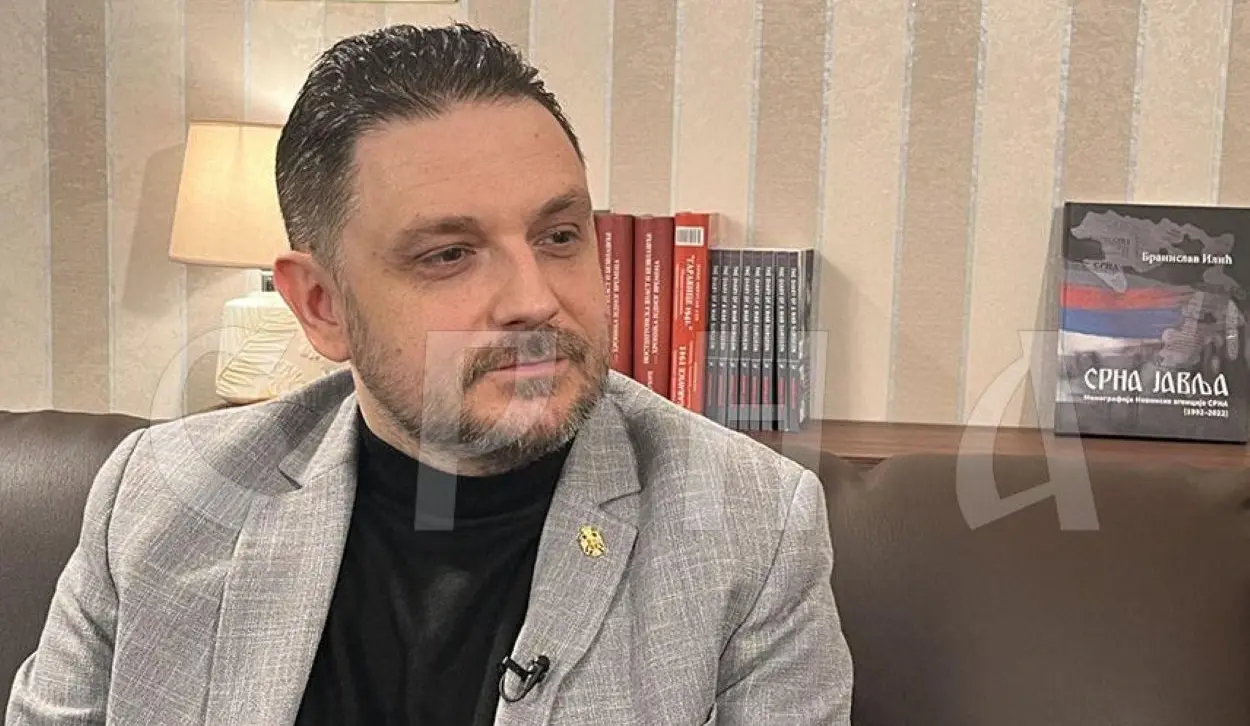
BANJA LUKA, NOVEMBER 19 /SRNA/ – Defending the original competencies of Republika Srpska under the Dayton Peace Agreement and resisting post-war pressures on its position remain key issues for preserving the Dayton-based constitutional framework of BiH, historian Predrag Lozo believes.
Lozo told SRNA ahead of the 31st anniversary of the initialling of the Dayton Peace Agreement, that questions concerning the future could relate to the nature of the amendments to the international treaty that have been introduced in the meantime, as well as to Republika Srpska's right, under contemporary international circumstances, to strengthen its institutional framework and act to protect the interests of its citizens.
He pointed out that the Dayton Peace Agreement has twofold historical significance for Republika Srpska.
"The first lies in ending the war and establishing peace as a special value, since war brings suffering, losses and many other serious consequences for society and individuals. The second significance lies in the international recognition of Republika Srpska as one of the two entities within BiH, as well as a party that signed the Dayton Peace Agreement as an international treaty," said Lozo, Head of the Department for Identity Research and the Culture of Remembrance at the Socio-Political Research Centre.
He stressed that this played a key role in defining the complex constitutional structure of post-war BiH, adding that the Dayton Peace Agreement also established the borders and territory of Republika Srpska.
Lozo noted that the Dayton Peace Agreement did not emerge in a historical vacuum and stressed the need to consider the broader historical context, from the beginning of the conflict and the breakup of Yugoslavia, through peace initiatives and wartime negotiations, to the role of Western countries and military developments.
"Looking at the Dayton shows the scale of the challenges the Serb people faced during the processes in which Republika Srpska was created and defended," Lozo said.
He noted that the Dayton Peace Agreement also represents a chronological dividing line in the history of events in this region and serves as a point of comparison for political solutions proposed before and after its signing, as well as for future developments concerning Republika Srpska, BiH and the Balkans.
Speaking about the post-war period, Lozo said that arbitrary interpretations and misuse of the Dayton Peace Agreement had contributed to the perpetuation of tensions in BiH.
According to him, the aim of post-war pressure was to dismantle BiH as a community of two entities and three constituent peoples, in which Republika Srpska has significant attributes of autonomy and statehood, particularly in the areas of identity and cultural-historical heritage.
November 21 marks 31 years since the General Framework Agreement for Peace in BiH has been initialed.
The agreement was initialed at Wright-Patterson Air Force Base in Dayton, together with 12 annexes, bringing the war in BiH to an end and establishing its constitutional and legal order.
The agreement established the state structure of BiH, consisting of two entities, Republika Srpska and the FBiH, both of which are signatories to all the annexes.

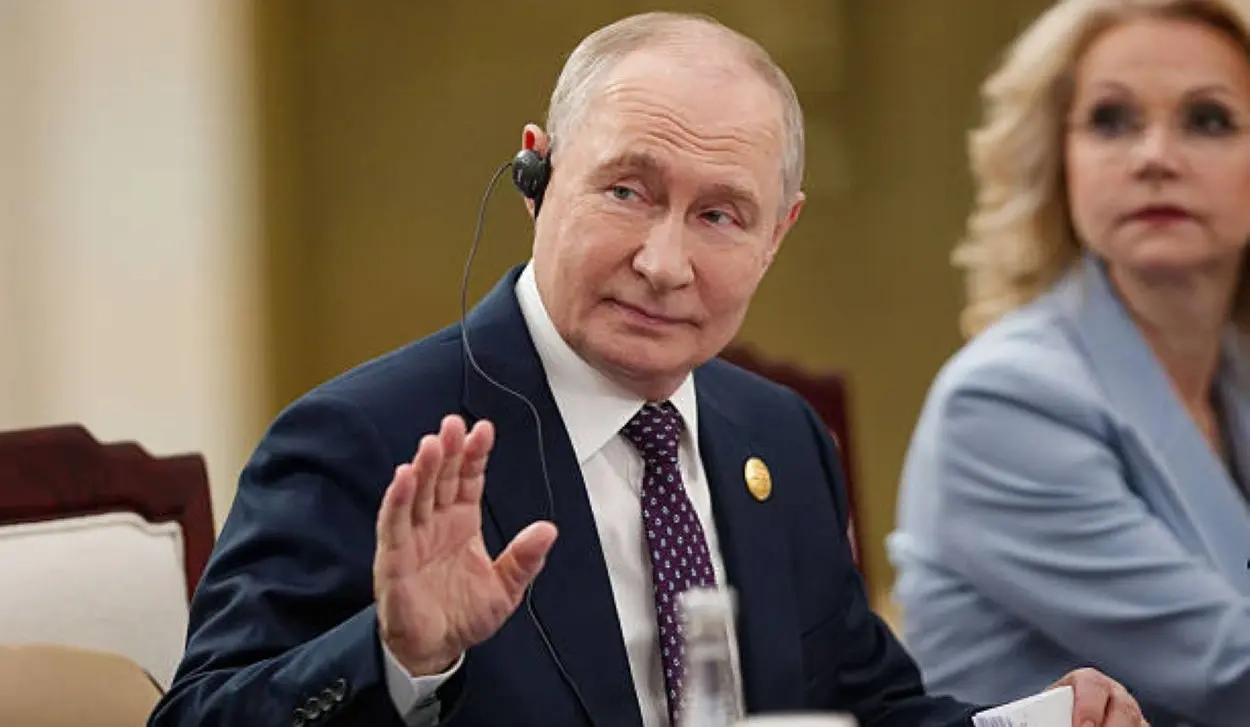
PUTIN: SHARED RESPONSIBILITY FOR MAINTAINING PEACE AND STABILITY
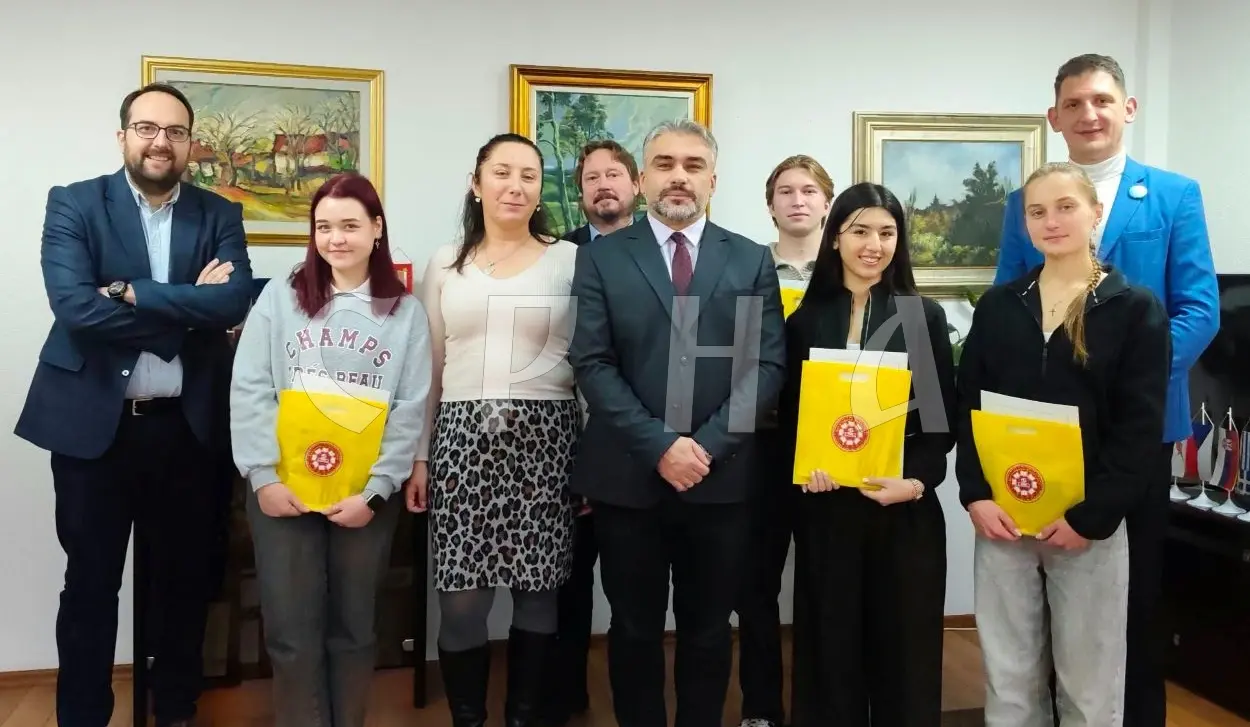
SECOND GROUP OF STUDENTS FROM RUSSIA ARRIVES AT THE FACULTY OF PHILOSOPHY IN PALE
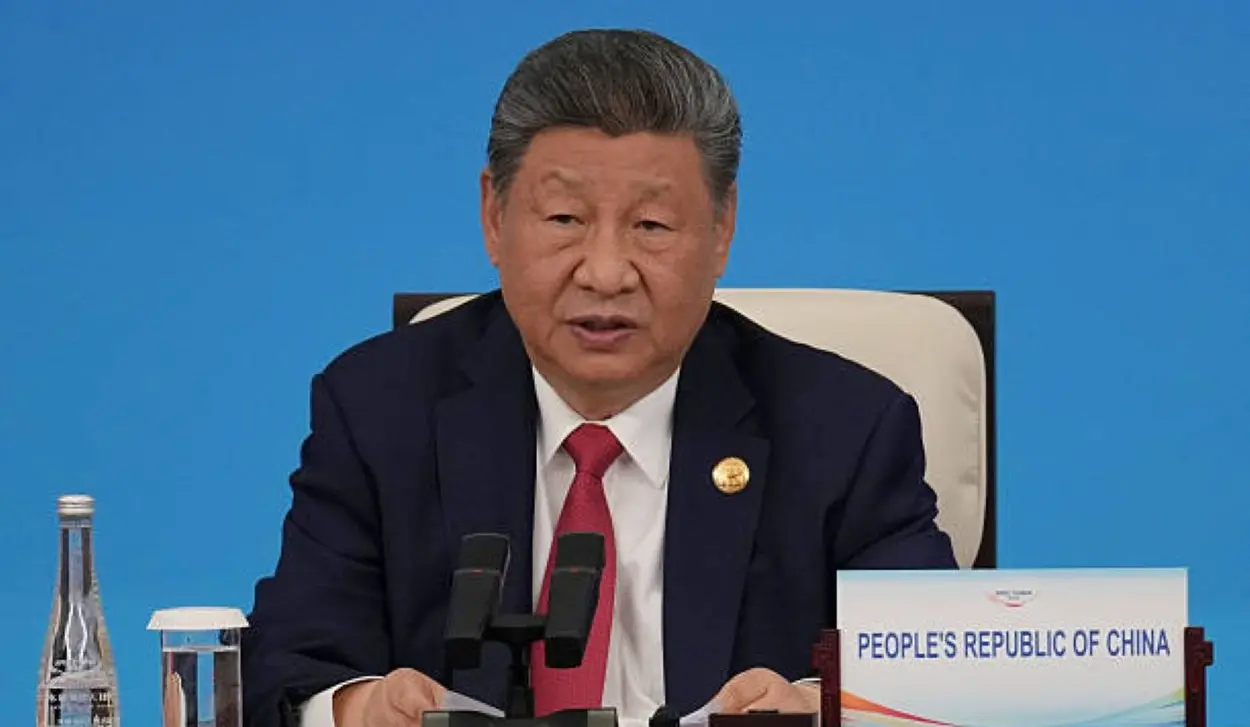
XI: CHINA LEADER OF ASIA-PACIFIC ECONOMIC COOPERATION
LOZO: DEFENDING ORIGINAL COMPETENCIES GRANTED UNDER THE DAYTON ACCORDS REMAINS CRUCIAL