LOPATIĆ: VIDOVDAN IS A SYMBOL OF SERB PEOPLE'S ENDURANCE, SUFFERING, HOPE
Republika Srpska – culture of remembrance
06/28/2026
10:08
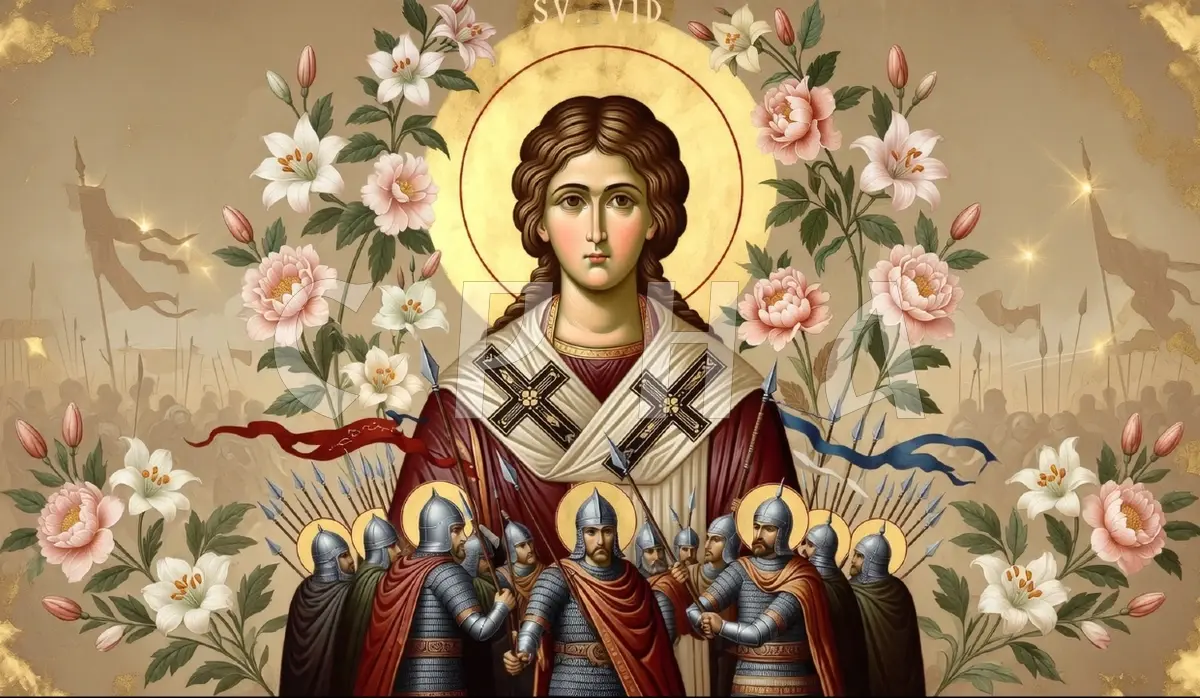
PALE, JUNE 28 /SRNA/ – Vidovdan /St. Vitus Day/ is a symbol of the Serb people's endurance, suffering, and hope, and one of the most significant dates in the history of Serbs, historian Stefan Lopatić told SRNA.
Lopatić said that throughout centuries of Serbs’ history, Vidovdan has represented the day on which Serbian history reflects, and from which everything that constitutes the essence of the Serb national identity has emerged. He added that the Kosovo Vidovdan of 1389 and the Sarajevo Vidovdan of 1914 are the clearest evidence of the enduring nature of the Serb covenant.
He said that Vidovdan is also unique because the Serbs carried their covenant, identity, and collective memory with them during their migrations.
"In Dalmatia, near Knin, there is a Kosovo Field through which the Kosovčica River flows, while in Cetinje there is Obilić's Meadow. These places, together with Kosovo Field in Kosovo, form the spiritual map of the Serb people and testify that the covenant was preserved not only through oral tradition and history, but also through the names of the places where the people lived," Lopatić said.
He stressed that the significance of Vidovdan lies not only in the historical events that took place on that day, but also in the unbroken thread connecting centuries of Serbs’ history, tradition and historical reality, suffering and the covenant.
According to him, the Battle of Kosovo marked the fall of the medieval Serb state, but at the same time established the Kosovo Covenant, which has remained a lasting spiritual and moral cornerstone of the Serb people.
"Through their sacrifice, Prince Lazar and the Kosovo heroes became symbols of choosing the Heavenly Kingdom. They demonstrated a willingness to lose the battle while preserving honour, identity, and the essence of the Serb national being. Kosovo thus became the measure of the people's morality and fidelity to its ideals," Lopatić emphasized.
He recalled that writer Ivo Andrić had spoken as early as 1934 about the "Kosovo idea" as a lasting pattern of the Serb worldview.
Speaking about Vidovdan in 1914, Lopatić said that the Sarajevo assassination was not carried out on that date by coincidence.
"It was a conscious link to the Kosovo Covenant and a confirmation that the thread established in 1389 had not been broken. What Prince Lazar had established was reaffirmed by subsequent generations," Lopatić said.
He emphasized that Vidovdan is much more than a date on the calendar, describing it as the central point of Serb historical memory.
"One Vidovdan established the covenant; another reaffirmed it, and between them stretches an unbroken thread preserved by both the people and the great figures of Serb culture. That is why Vidovdan remains one of the most important dates in the history of Serbs and a symbol of the Serb people's endurance, suffering, and hope," Lopatić concluded.