ŠTRBAC: CROATIA GOT WHAT IT ASKED FOR - IT HAS BECOME EUROPE’S DUMPING GROUND
Croatia - ecology
08/16/2026
11:01
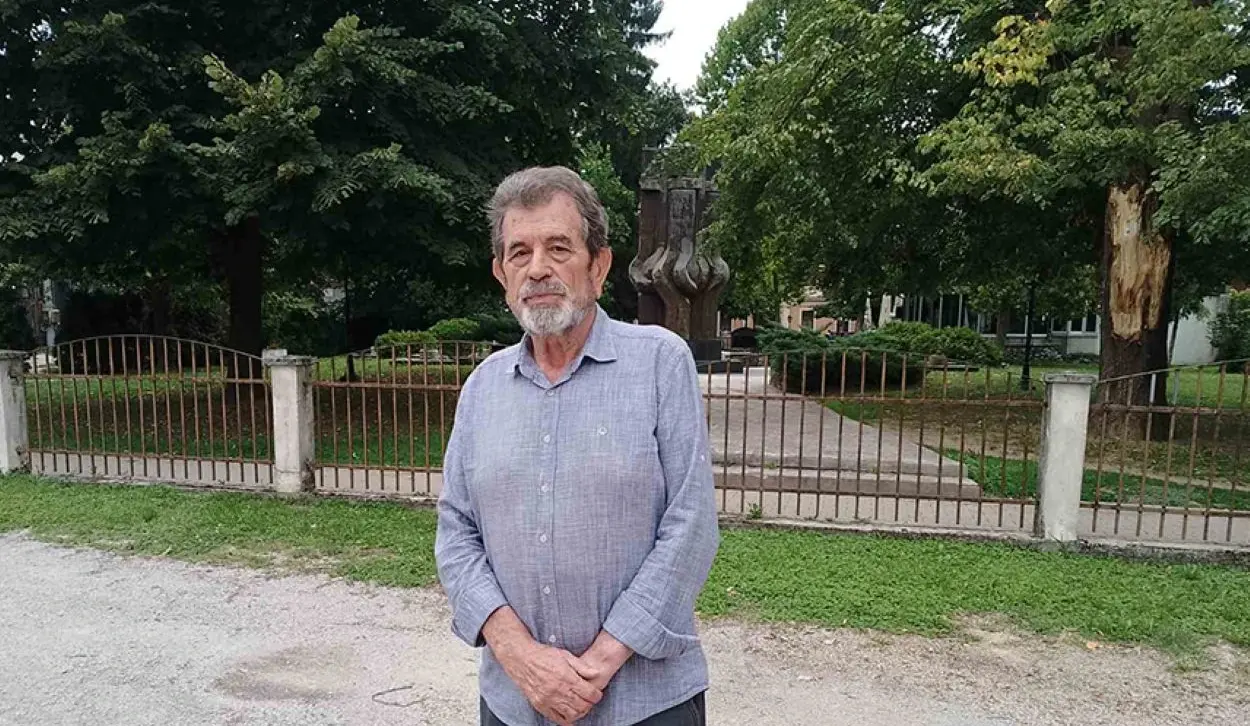
BELGRADE, AUGUST 16 /SRNA/ – Savo Štrbac, director of the Veritas Documentation and Information Centre, said Croats had been so obsessed with the desire to break away from Belgrade that they had got what they had asked for - becoming Europe’s dumping ground, the Europe they had so desperately wanted to join.
Speaking about the scandal surrounding the discovery that thousands of tons of toxic waste had been illegally stored in the middle of Gospić in the Lika region, Štrbac said he was astonished that such large quantities of waste could have been transported in specialized vehicles for years without being detected.
“I find it incomprehensible that people could sink to such a level as to bring so much waste from Europe into the middle of Gospić and dump it in the open, where rain falls on it and carries it into the soil, given that the whole of Lika is a karst region with groundwater flowing towards the sea, thereby causing long-term pollution,” Štrbac told SRNA.
He also reminded the notorious “black hill” in the Serb village of Biljani Donji near Benkovac, consisting of around 140,000 tons of waste ferroalloy slag from the former TEF metallurgical company in Šibenik.
The carcinogenic slag polluted the environment for 15 years despite fines imposed by the European Court, and there might have been no public outcry or fines had the wind not carried the pollution to the Croatian village of Škabrnja.
“They chose a site where Serbs lived as the dumping ground. The planners did not take into account that the north wind, the bora, blows from north to south and that Croats live immediately to the south,” Štrbac said.
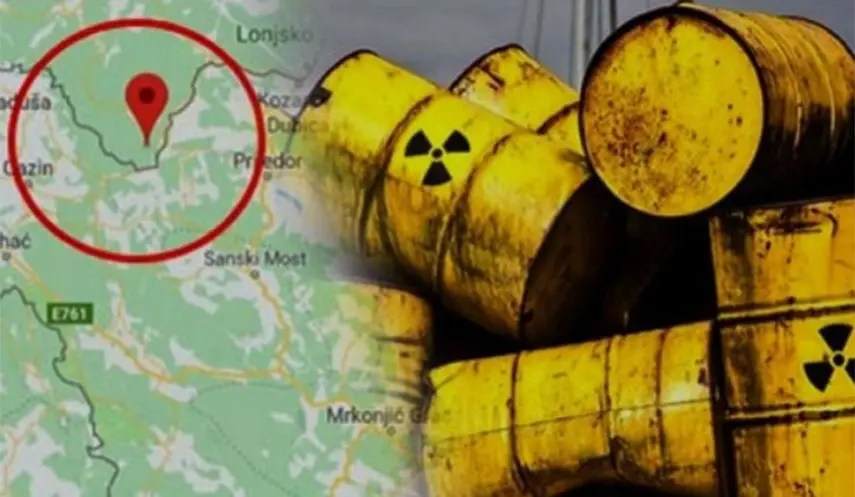
A major political and environmental scandal erupted in Croatia after it was revealed that around 37,000 tons of hazardous waste had been illegally dumped for years at the site of the former Velebit agricultural and food-processing complex in Gospić, while the latest tests showed that groundwater had been contaminated.
The waste includes electronic and medical waste, while the presence of PFAS compounds, known as forever chemicals, in groundwater downstream from the dumping site is particularly concerning.
Local officials and opposition parties have called for urgent remediation and declared the situation an environmental disaster, while Croatian Prime Minister Andrej Plenković said that water in the Gospić water supply system was safe for consumption and accused the opposition of creating unnecessary panic and hysteria among citizens.