KOŠARAC: SRPSKA SEES FREE ZONES AS KEY TO GROWTH AND JOBS
Republika Srpska - Brod - economy
11/10/2026
14:29

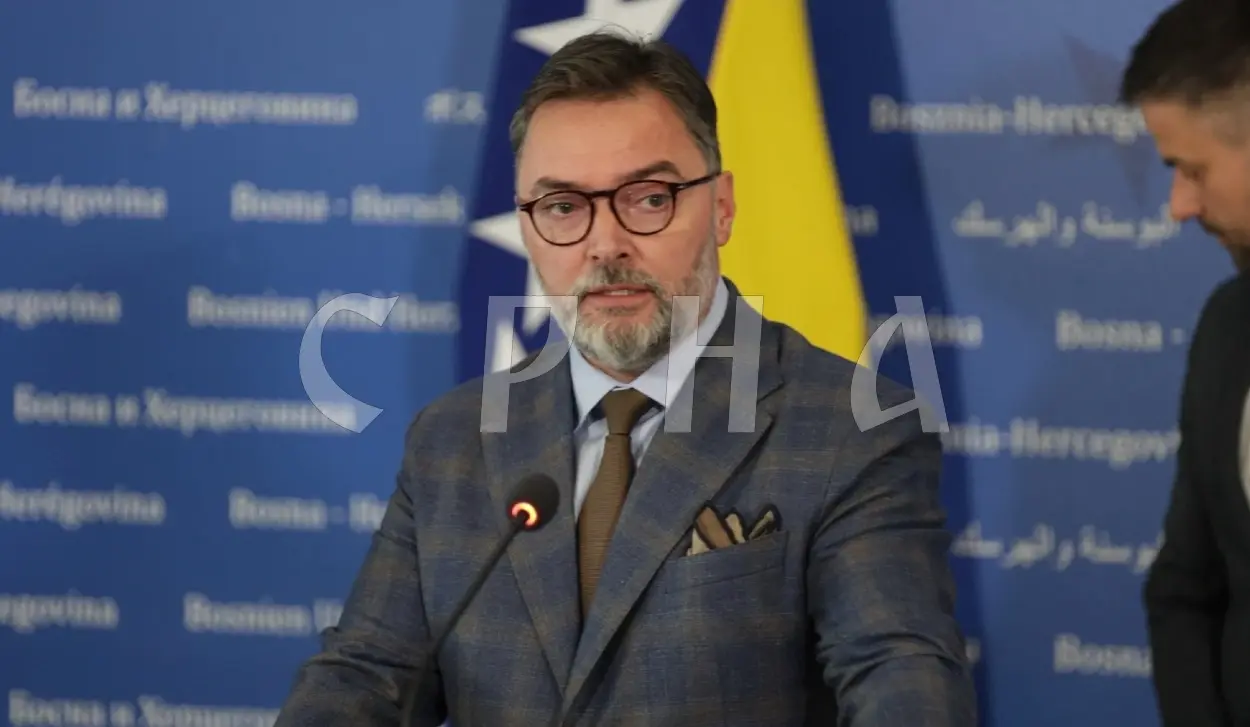
BROD, NOVEMBER 10 /SRNA/ – The Brod Free Zone has met the requirements to begin operating, which should speed up business, attract new investment and create jobs.
Staša Košarac, Minister of Foreign Trade and Economic Relations in the Council of Ministers, today handed Brod Mayor Milan Zečević the decision confirming that the zone met the requirements. He said Brod was an example of cooperation between local and BiH-level institutions.
Košarac said Republika Srpska had recognized the importance of free zones for economic development. He said it had worked intensively, with the support of Republika Srpska institutions, to equip local communities to set them up.
"It was unacceptable that BiH had only four free zones, all of them in the Federation of BiH. Today Brod received the decision confirming it has met the requirements to start operating a free zone, while Trebinje and Gradiška obtained free zone status earlier," Košarac said.
He added that he expected Bijeljina, Istočno Sarajevo, Doboj and other local communities to start setting up free zones in the coming period.
Košarac said the mayor of Brod had submitted the application to the ministry at the beginning of the year. After earlier preparatory work in Republika Srpska, the procedure at the BiH level had been completed in 10 months.
He said further incentives for doing business in free zones were also needed. These included regulatory changes that would allow more favorable treatment of energy and utility costs, such as electricity, gas and water.
"It is important to make free zones more attractive to investors, and local communities also play a major role through incentives for buying or leasing premises and for hiring," Košarac said.
Zečević said one of Brod's greatest advantages was its proximity to the EU border, as the free zone was about 300 meters from the border crossing.
He said businesses could benefit from duty-free imports of raw materials and exports of finished products, with simplified procedures and lower operating costs.
The mayor said the decision had come after a year and a half of work and coordination between local and Republika Srpska institutions, with the support of the Ministry of Foreign Trade and Economic Relations.
"The first functioning duty-free zone in our municipality is divided into three separate sections, one of which is linked to SCAI-adapter, our largest private company. We hope this project will help create new jobs and economic growth," Zečević said.
Zečević said that at its last session, the Municipal Assembly had launched the procedure to sell eight plots of land, some of which were within the free zone. A new production hall was also under construction at another site.
He said he expected that this second free zone site could also open next year, with the support of the relevant institutions.
Dejan Simidžija, director of SCAI-adapter Brod, said free zone status would allow goods to move faster and cut operating costs.
He said trucks carrying goods would no longer have to go to the customs terminal but would come directly to the company's premises, cutting waiting times by three to four hours.
"Right now, because we pay customs duties on imports, we always have to keep about BAM 1 million in reserve. This regime reduces our financial burden and speeds up our operations and the flow of goods and services," Simidžija said.
He said the company had been founded in Brod in 2006 with about 35 workers. Today it employs 230 people and makes metal washers for the automotive industry.
He said an investment cycle with an initial value of about BAM 3 million had already begun. With the construction of new halls and the purchase of machinery, it could reach BAM 6 to 7 million.
"I hope we will go from the current 230 workers to 250 or 260, and next year, when we complete the plan to build a new 5,000-square-meter hall, we expect further growth," Simidžija said.

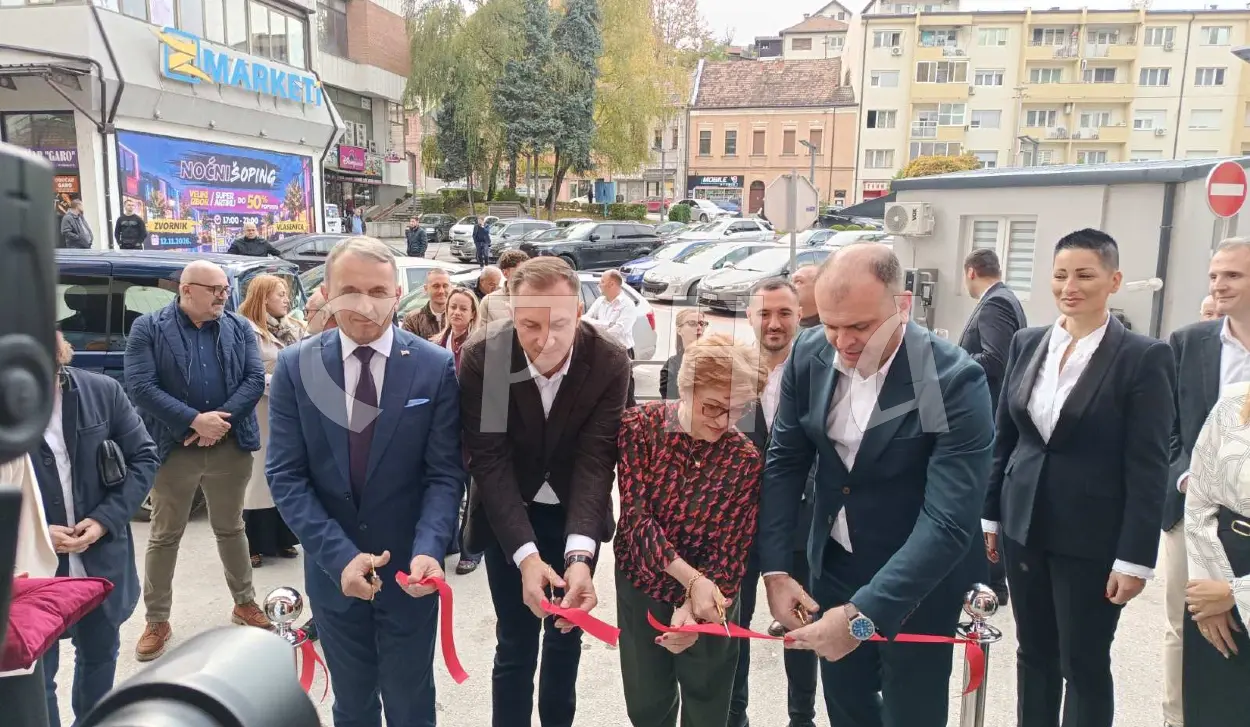
VIDOVIĆ: OPENING OF IDB OFFICE IN ZVORNIK IMPORTANT FOR BIRAČ REGION
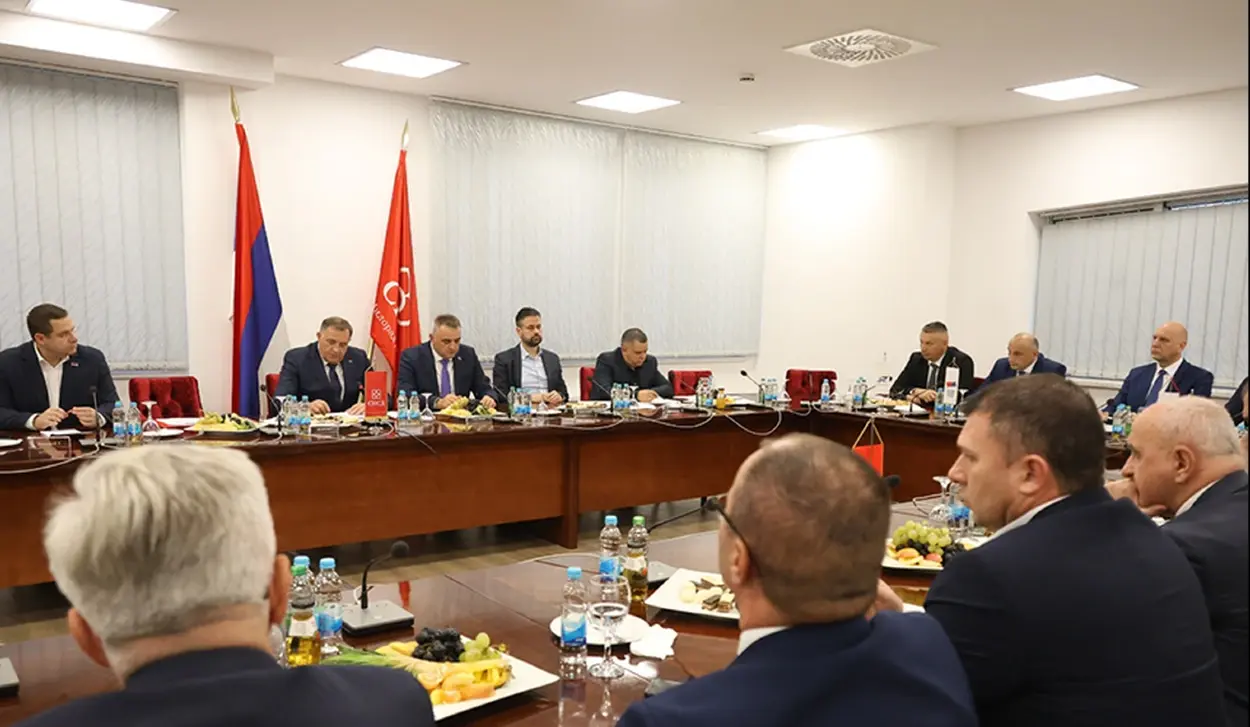
RULING COALITION LEADERS MEET IN BANJA LUKA
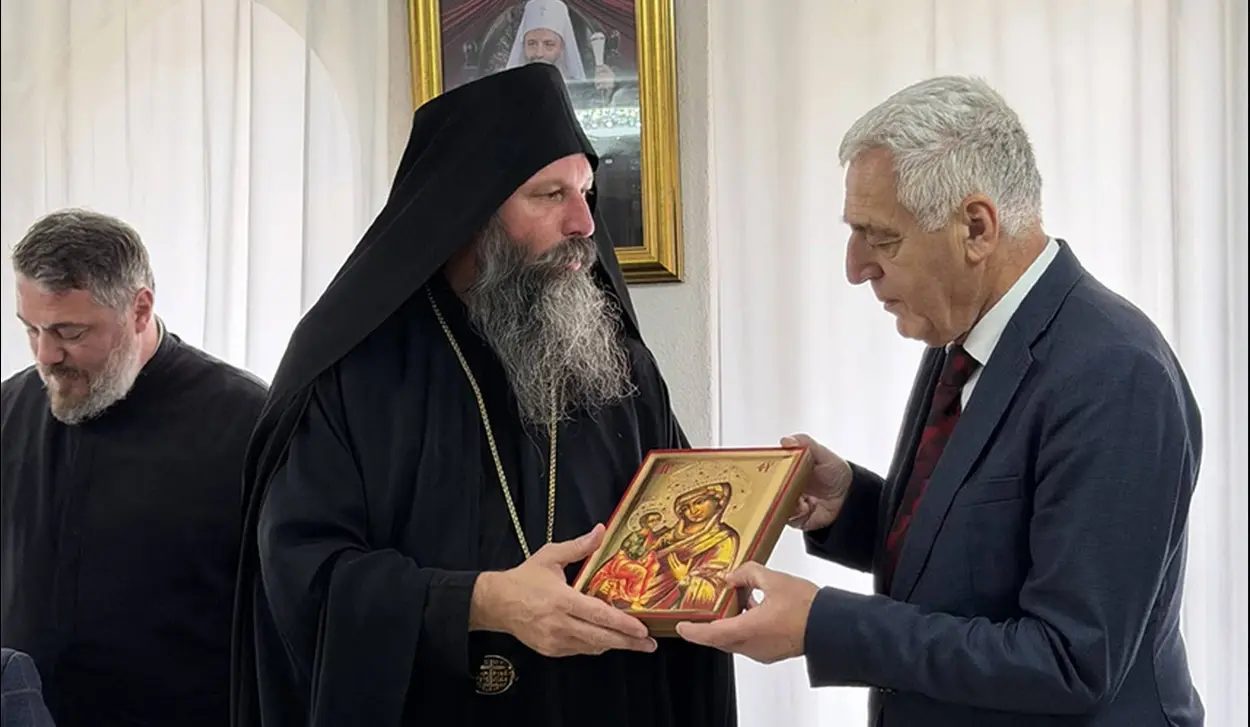
PATRIARCHATE OF PEĆ CELEBRATES FOUNDER'S FEAST WITH BRATUNAC AS SPONSOR
KOŠARAC: SRPSKA SEES FREE ZONES AS KEY TO GROWTH AND JOBS