GREAT-GRANDDAUGHTER OF HAJDUK LEADER PERO TUNGUZ: SERB PEOPLE DEFENDED THEIR FREEDOM AND FAITH
Republika Srpska - Nevesinje Rifle - Nataša Gligorić
07/09/2026
11:51
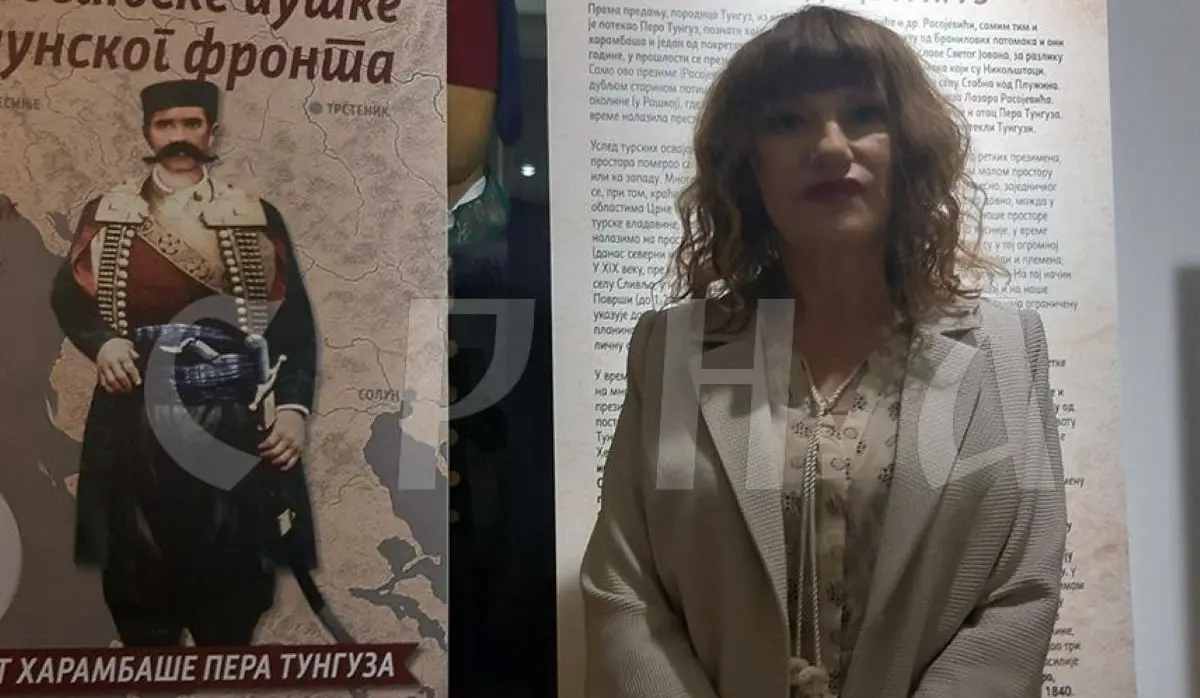
BELGRADE, JULY 9 /SRNA/ - By jointly marking the 151st anniversary of the first Nevesinje Rifle /uprising/, Republika Srpska and Serbia are demonstrating the unity of the Serbian people who defended their freedom and faith, and the uprising of Serbs in Herzegovina against the Turks also changed the geopolitical map of Europe, Nataša Gligorić, the great-granddaughter of hajduk leader Pero Tunguz, one of the leaders of the uprising, told SRNA.
"By jointly commemorating the Nevesinje Uprising, we are showing our unity, that we are one people, that we share a common history, culture, faith and tradition, and that we should preserve these values as the apple of our eye, because only united and together can we survive in this region," Gligorić said.
She assessed that the Nevesinje Rifle, in terms of its characteristics, participants, military and diplomatic activities, results and significance, was equal in importance to the Third Serbian Uprising.
"We recall that the spark of that uprising was ignited by hajduk leader Pero Tunguz on July 5, 1875, at Ćetna Poljana, on Mount Bišina," Gligorić said.
She said that the shot fired from Pero's rifle did not merely mark an attack on a Turkish caravan, but was a cry and a roar of an oppressed people that rose, although poorly armed, to break the chains of slavery, no longer able to endure tyranny and oppression.
She added that this people put into practice the words of Prince Lazar that it is not the force threatening a people that matters, but the sacred thing they are defending.
"And they defended what had always been most precious to this people — freedom, honour, faith, dignity and the family hearth," Gligorić emphasized.
She recalled that clashes at Krekovi soon followed, and that the uprising spread throughout Herzegovina, Bosnia and the neighbouring lands.
"That shot on Bišina set in motion and accelerated the wheel of historical events, changed the geopolitical map of Europe, and inscribed our beloved Nevesinje in golden letters in the history and military literature," Gligorić emphasized.
The historical event of the republic's significance, "Serb Uprisings in Herzegovina – Nevesinje Rifles," is being commemorated in Nevesinje today, organized by the Committee for Nurturing the Tradition of Liberation Wars of the Government of Republika Srpska and the Committee for Preserving the Tradition of Liberation Wars of the Government of Serbia.
The legendary Herzegovinian hajduk leader Pero Tunguz was a symbol of Serbian resistance in Herzegovina. With a sabre in his hand, he went from the first days of the uprising at Ćetna Poljana in 1875, through the Albanian Golgotha, which he crossed on foot at the age of 76, to the final victory on the Salonica Front in 1918.
Pero was an active participant in events of the second half of the 19th and the first half of the 20th century, from the Nevesinje Rifle, the Ulog Uprising and the First World War, and became synonymous with resistance and defiance.
Pero entered historiography and folk epic poetry, becoming an inspiration in literary, visual, and film works, as well as in place names such as Tunguz's Meadows on Morine, Tunguz's Port in Ulog, streets in Nevesinje, and a memorial plaque in Nevesinjska Street in Vračar, Belgrade.
Pero Tunguz died on March 18, 1919, in Trstenik, and according to family tradition, his remains were later transferred to Herzegovina, to Morine near Nevesinje, where a monument was erected in his honour.

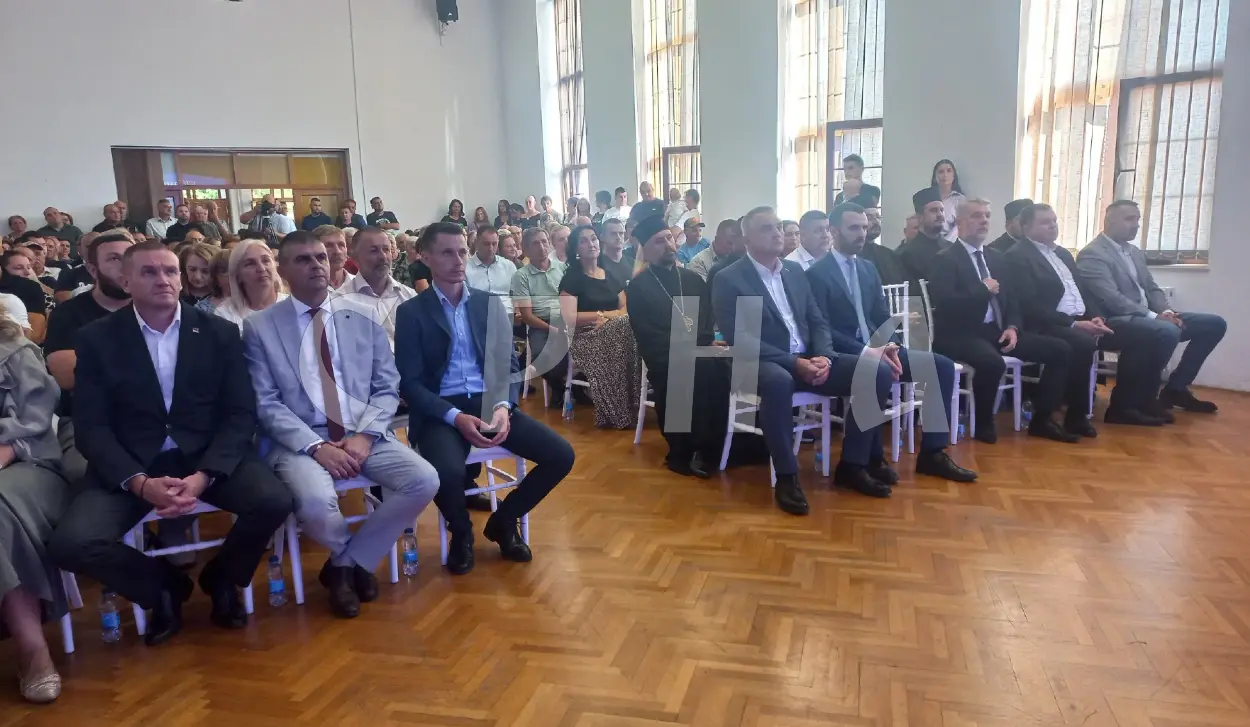
SRPSKA PM: WE WILL FIND TIME AND FUNDS FOR PROJECTS IN MUNICIPALITIES WITH SERB POPULATION
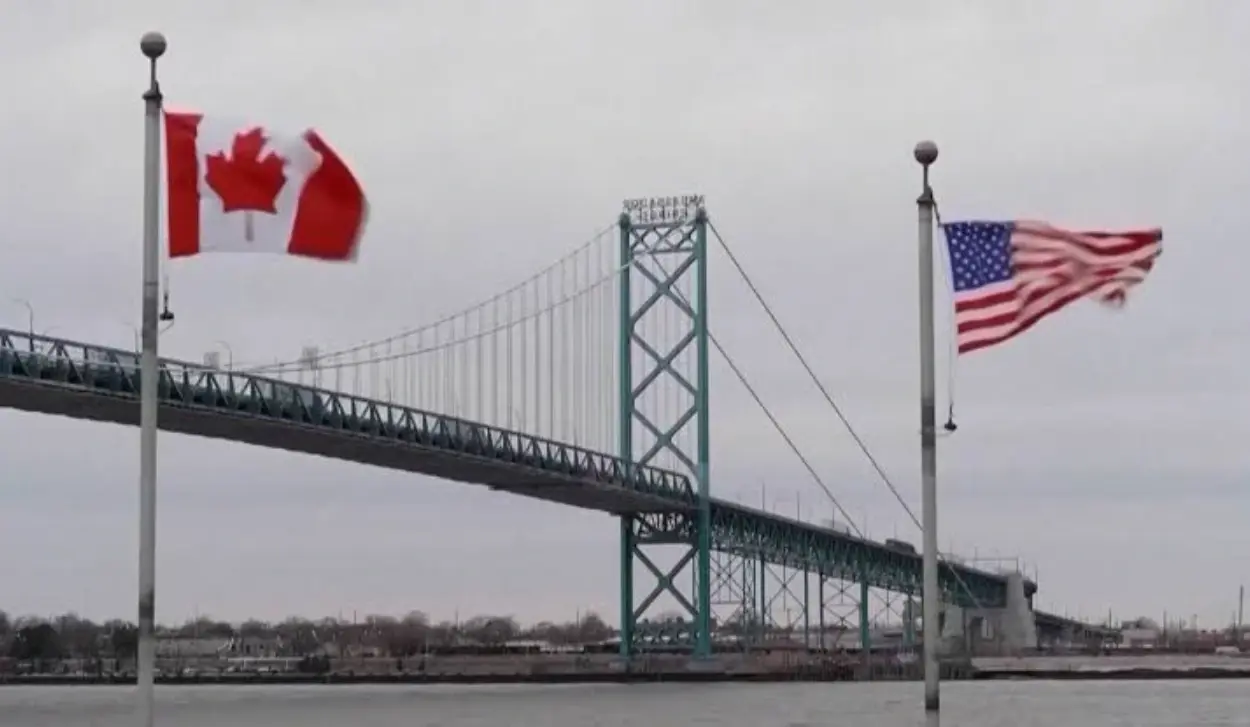
TRUMP: TARIFFS ON CANADIAN VEHICLES AND STEEL RAISED TO 50 PERCENT
SUPPORT FOR DEMOBILIZED VETERANS’ ASSEMBLY IN HAN PIJESAK
GERMAN ECONOMY SUFFERS €36 BILLION IN LOSSES DUE TO EXTREME HEAT AND DROUGHT