DURONJIĆ: AIR POLLUTION SHOULD BE TREATED AS NATURAL DISASTER
Republika Srpska - UCC - Pulmonology Clinic
12/13/2025
20:48
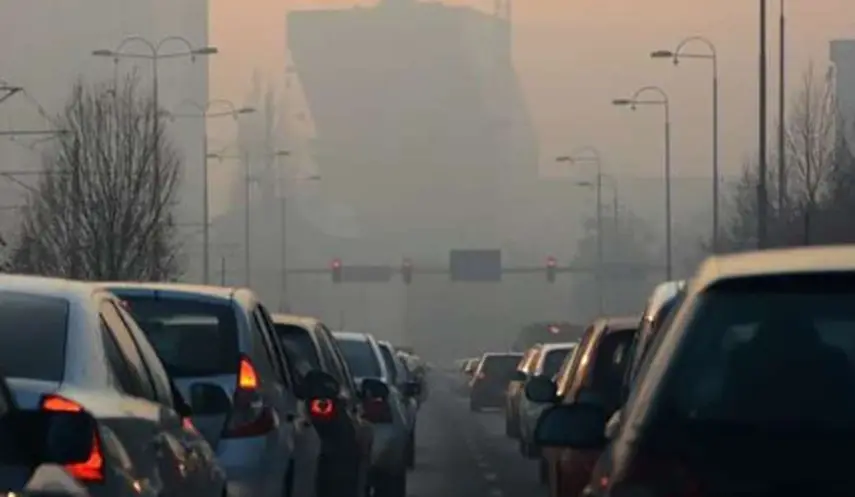
BANJA LUKA, DECEMBER 13 /SRNA/ – Air pollution should be treated as a natural disaster, which is an issue that must be resolved because it will continue to grow, and its consequences will be reflected in the health care system, pulmonologist Mladen Duronjić, the head of the Pulmonology Clinic at the Republika Srpska University Clinical Centre, told SRNA.
Duronjić stated that the consequences of air pollution would be reflected in the health care system, emphasizing that the most vulnerable groups are pregnant women, children, and elderly people aged 60, 70, and over, due to associated illnesses.
“Children have a higher number of respirations per minute therefore falling into a high-risk group, as well as because they are more susceptible to the effects of carbon monoxide, as are pregnant women. In cases of prolonged exposure, premature births, low-birth-weight infants, and various disorders are possible, as has been recorded worldwide,” Duronjić explained.
He stressed that in such situations there is almost no protection, since facial masks do not help, except possibly those with fine filters, but they cannot be worn all day.
“Concentrations above 200 or 300 over a prolonged period should be treated as a natural disaster, and people should not go outside,” Duronjić emphasized, adding that for sensitive individuals one form of protection is spending as little time outdoors as possible.
He added that the harmful effects of particulate matter should not be overlooked, as they affect not only the respiratory system but also the heart and the brain.
Duronjić said that populations living in the environment of mines or mining basins may suffer harmful effects on the brain, which could increase the likelihood of strokes.
“When it comes to the cardiovascular system, this includes effects on blood vessels, blood pressure, hypertension, and heart disease. Diabetes should not be forgotten, nor the prostate, and in cases of long-term exposure even oligospermia,” Duronjić explained.
He also pointed out that human activity contributes to pollution, emphasizing sources such as heating systems, thermal power plants, district heating plants, and car exhaust gases.
He sees the solution in systemic action, which requires substantial funds, but the first step is to draw attention to the problem, because the air we breathe should neither be visible nor noticeable.
“We both feel it and see it,” Duronjić concluded.