CALL TO JOINTLY MARK A DATE RELATED TO MEDIEVAL SERBIAN STATEHOOD
Republika Srpska - Serbia - Anđelković
02/12/2026
10:47
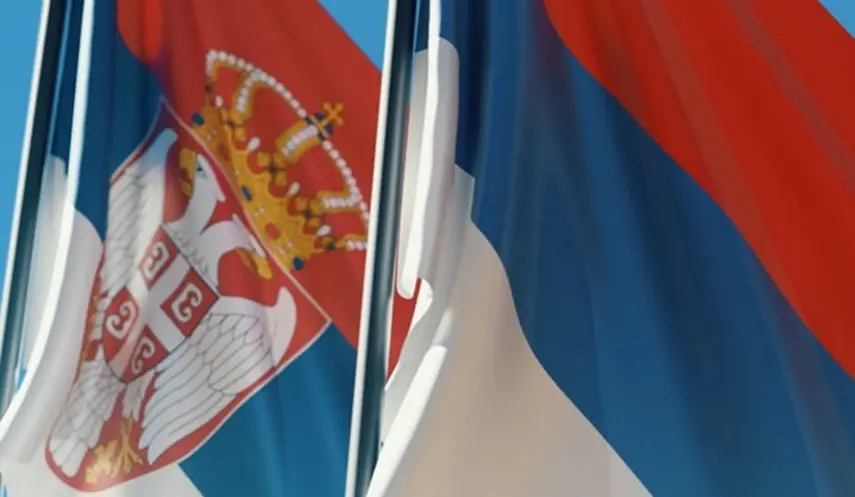
BELGRADE, FEBRUARY 12 /SRNA/ - Historian Dragomir Anđelković assessed that it is important for Serbs to celebrate holidays together, as this further unites and strengthens them, and that, in addition to Sretenje/Candlemass /Statehood Day/, Serbia and Republika Srpska should jointly commemorate an important date from the Middle Ages, since Serbian statehood on both sides of the Drina River spans many centuries.
"It could be the proclamation of the Serbian Kingdom in 1217 or the first emergence of a Serbian kingdom in Duklja more than 100 years earlier, because Serbian statehood is much older than Sretenje," Anđelković told SRNA.
He pointed out that others' attempts to appropriate the Serbs’ medieval history should not be a reason to focus on only one part of it.
"Serbian history is so comprehensive that it includes parts that no one disputes and parts that others try to claim. Somehow, we cling to what is exclusively ours, while neglecting what others are attempting to take," Anđelković noted.
He emphasized that Serbian statehood in BiH dates back to the Middle Ages.
"All the important `Bosnian` charters testify that it was a Serbian state. Tvrtko's title shows that he was the king of the Serbs as a people and of specific territories, but above all, that he was a Serbian king. Therefore, we should insist on this, as well as on the fact that all those who appropriate parts of our history are, in fact, thereby acknowledging that they are part of the Serbian national corpus," Anđelković stressed.
Anđelković said that during the Ottoman Empire, Muslims politically identified as Turks, but were very well aware of their Serbian ethnic origin.
"The entire Muslim aristocracy at the time knew very well that their roots were Serbian, and the whole people knew that their ancestors were Serbian, even though they geopolitically identified with Turkey," Anđelković said.
He pointed out that this geopolitical identification was later systematically used by Austro-Hungary to bring about ethnic changes, encouraging the Muslims of the time, based on their identification with Turkey and Islam, to begin claiming that they were a completely distinct people in ethnic terms, different from the Serbs and of different origins.
"It was a systematic `divide and rule` policy of the Austro-Hungarian occupier, which caused harm not only to those who continued to identify as Serbs, but also to Muslims, as it turned them into a people without roots," Anđelković said.
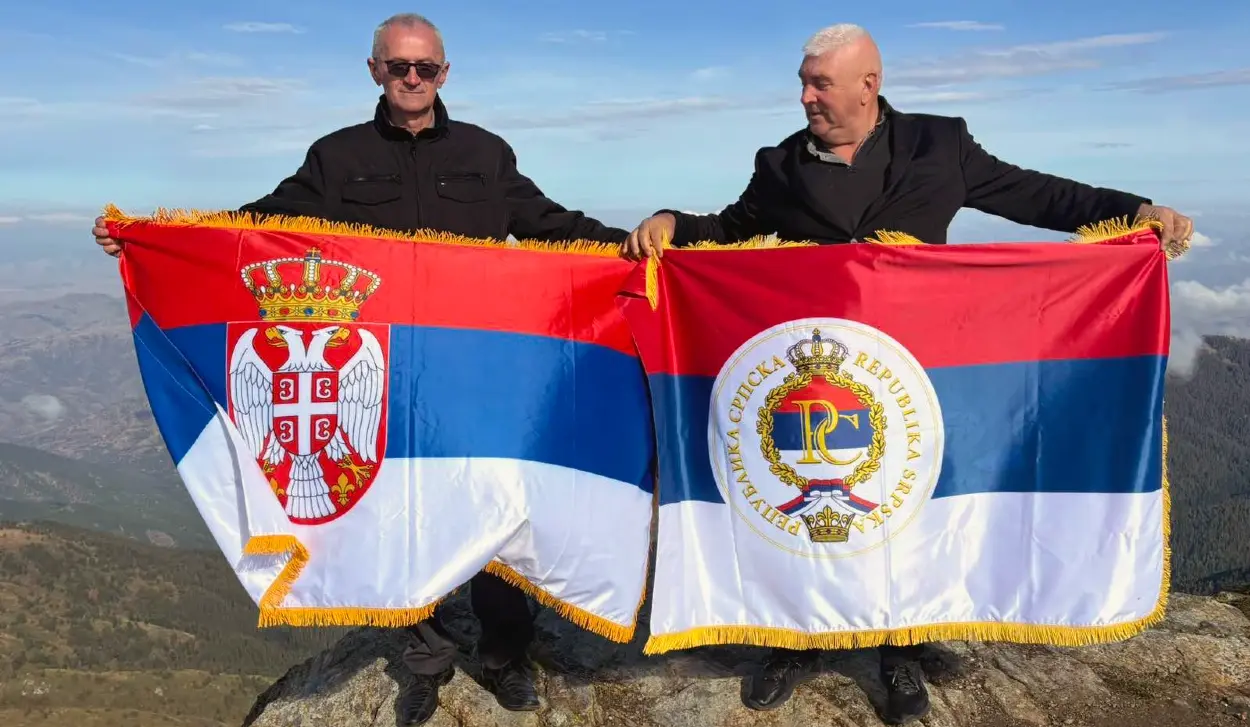
The joint observance of Sretenje/Candlemass as the Statehood Day of Serbia and Republika Srpska, as well as the Day of Remembrance of the First Serbian Uprising and all Serbian fighters in liberation wars, was established by the Declaration on the Protection of National and Political Rights and the Common Future of the Serbian People, adopted at the All-Serbian Assembly in Belgrade on June 8, 2024.
Since last year, this holiday has been jointly marked as the Statehood Day of Republika Srpska and the Statehood Day of Serbia.
The First Serbian Uprising against Ottoman rule began on February 15, 1804, in Orašac and is considered one of the most significant events in modern Serbian history.
On Sretenje/Candlemass in 1835, the Sretenje Constitution was adopted.