DODIK: DOBOJ - THE FIRST CONCENTRATION CAMP IN EUROPE; 110 YEARS OF TRUTH THEY TRIED TO ERASE
Republika Srpska - culture of remembrance
12/27/2025
13:01
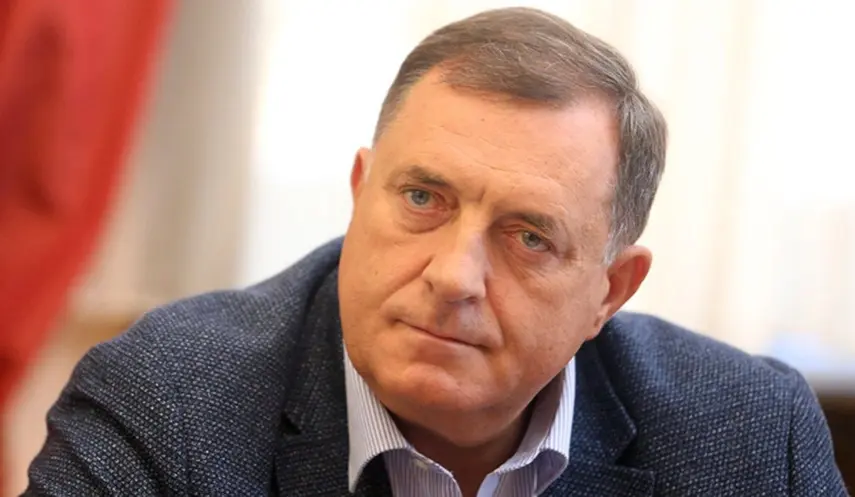
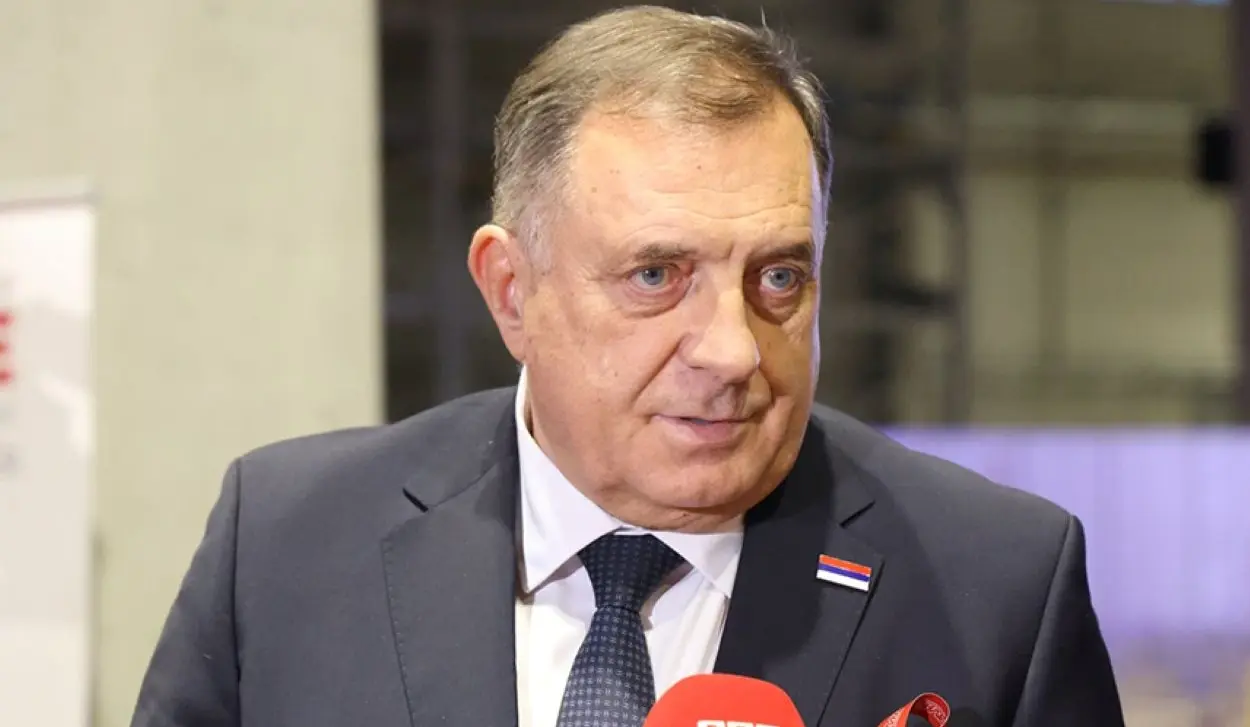
BANJA LUKA, DECEMBER 27 /SRNA/ – SNSD leader Milorad Dodik says that 110 years since the beginning of the internment of Serbs in the Doboj camp marks 110 years of struggle against oblivion and deliberate historical injustice.
“Doboj was turned into a death camp for Serbs on this day in 1915, organised by the Austro-Hungarian Monarchy with the clear goal of crushing the Serb people in BiH, in an attempt to erase the national identity of the Serb people and to create a so-called ‘Bosnian nation’ in these areas.
With this inhumane act, the Austro-Hungarian authorities initiated ethnic cleansing along the Drina River, intending to settle non-Serb populations in the emptied area and to intern Serbs from that region in this, and later other, concentration camps,” Dodik told SRNA on the occasion of marking 110 years since the beginning of the internment of Serbs in the Doboj camp, through which about 45,000 people passed and 12,000 Serb inmates were killed.
Dodik recalled that women, children, and the elderly were held in this camp, located on the grounds of a former military hospital for Austro-Hungarian horses, and that despite inhumane conditions they managed to preserve the Serb spirit of freedom.
The SNSD leader emphasized that it was not soldiers who suffered in this first mass concentration camp in Europe, but civilians – women, children, and the elderly – who were persecuted because they were Serbs and Orthodox Christians. This is a historical fact that for decades some tried to conceal, relativize, and erase from collective memory, just as today attempts are made to diminish or deny the suffering of Serbs through various forms of political pressure, blackmail, and false balancing of guilt.
“That is why Doboj is not only a place of suffering; it is a warning. Those who remain silent today about the Doboj camp will tomorrow remain silent about all other crimes and new injustices against Serbs. We will never accept that,” Dodik said.
Attempts to silence or relativize this and other truths about the suffering of Serbs throughout history represent a continuation of historical injustice against the Serb people, therefore Republika Srpska exists to prevent such suffering from repeating.
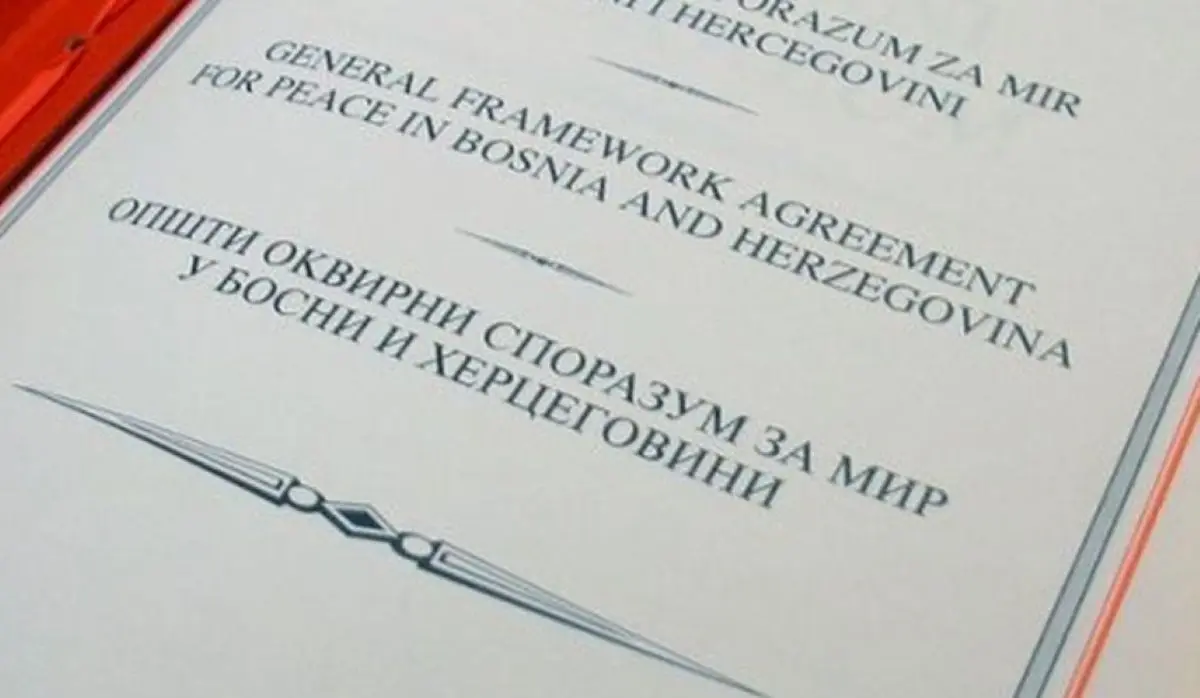
“Those who today call for an alleged ‘turn toward the future’ while simultaneously erasing the truth not only about the Doboj camp but also about numerous mass killing sites of the Serb people are consciously continuing a policy of humiliating and demeaning our victims. Without truth there is no reconciliation, and without respect for the suffering of Serbs there can be no just, the Dayton-based BiH in which three constituent peoples and two entities have equal rights,” Dodik stressed.
He emphasized that Republika Srpska did not arise by chance, but is a historical and political response of the Serb people to centuries of persecution, camps, martyrdom, and suffering, and that it is therefore our duty to defend Srpska, its institutions, identity, and the right to preserve their history and remembrance.
The notorious Doboj camp was established on December 27, 1915, and was the first mass concentration camp in Europe intended for civilians, primarily Serbs from BiH, Serbia, and Montenegro, including women, children, and the elderly.
About 45,000 people passed through the camp, while around 12,000 Serbs lost their lives, mostly due to hunger and inhumane conditions.
The camp was closed on July 5, 1917, and remains one of the gravest examples of organised suffering of the Serb people during World War I.