BOJIĆ: WE ALSO CARRIED MORTAL REMAINS OF OUR VICTIMS FROM SARAJEVO
Republika Srpska - Memorial Center
03/09/2026
14:06
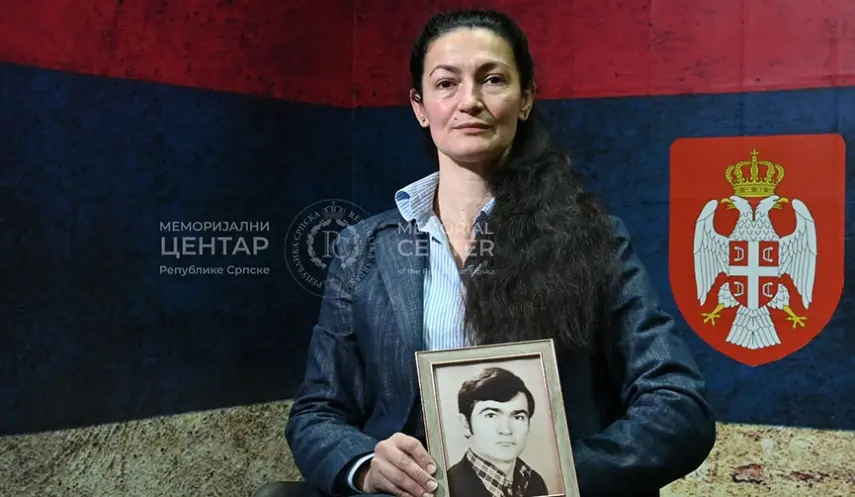
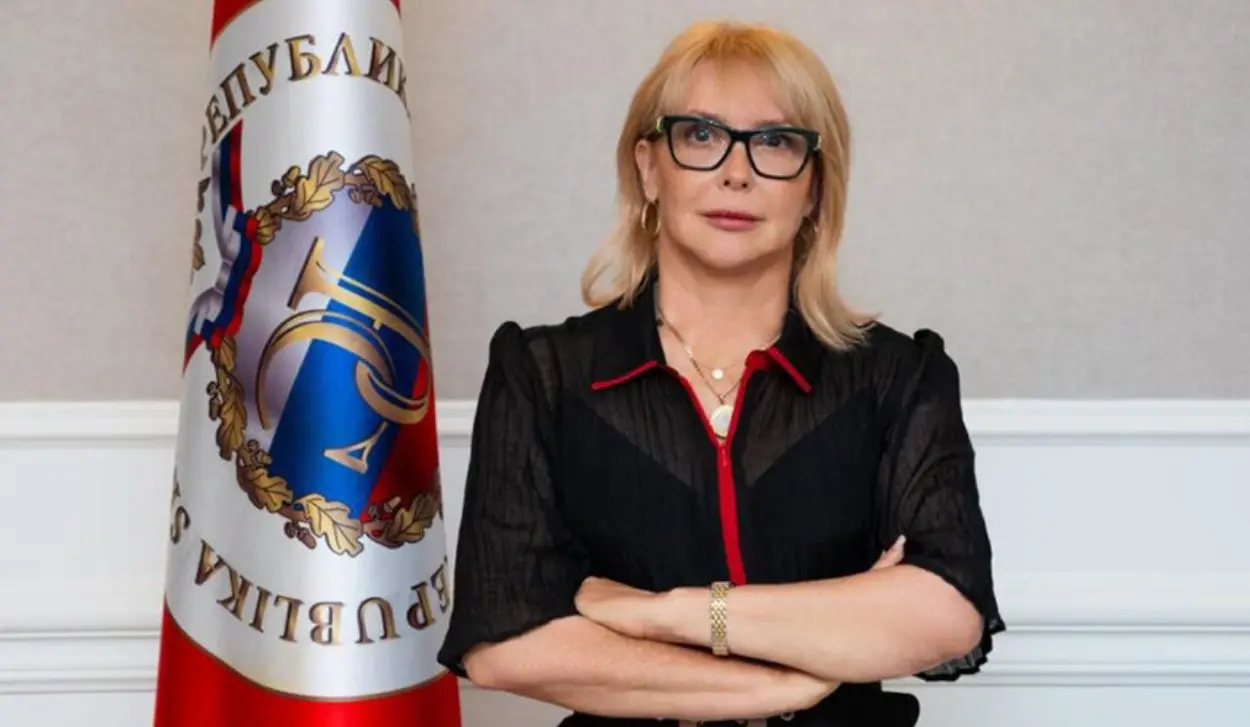
BIJELJINA, MARCH 9 /SRNA/ - Žana Bojić, the daughter of Ranko Bojić, a fallen soldier of the Republika Srpska Army, spoke for the Memorial Center of Republika Srpska about life in wartime Sarajevo, the death of her father, and the exodus of the Serb people after the signing of the Dayton Agreement when, as she emphasized, they also carried with them the mortal remains of their relatives.
Her father Ranko was killed in 1992 at the age of 43. She recounted that they had lived in Vogošća, from where, during the exodus, they moved first to Višegrad, and then to Banja Luka, the town Bojić originally came from.
"In that sad convoy, we also carried our dead with us, who were buried at the military cemetery Novi Zejtinlik. It is not easy at all to return to the days of that snow, the drifts, and the convoy of living and dead people," Bojić recalled.
On the occasion of the 30th anniversary of the exodus of Serbs from Sarajevo, the Memorial Center of Republika Srpska will, through a series of publications, recall the days when more than 150,000 Serbs were forced to leave their ancestral homes and the graves of their forefathers.
"With these contents, we want to preserve the culture of remembrance and the truth about one of the most difficult moments in the recent history of the Serb people in the Sarajevo area," the Center stated.
The exodus began on February 17, 1996, on the Orthodox All Souls' Day, after the deadline for the handover of Serb municipalities to the Federation of BiH /FBiH/ was moved from March 19 to February 23, 1996.
According to the most commonly cited data, more than 150,000 Serbs from the municipalities of Ilijaš, Vogošća, Hadžići, Ilidža, Novo Sarajevo, Stari Grad, Centar, and Grbavica left their homes.
According to the established schedule, the takeover of Vogošća, Novi Grad, and Centar was to take place on February 23, Ilijaš on February 29, Hadžići on March 6, Ilidža and Trnovo on March 12, and Novo Sarajevo and Stari Grad on March 19.
In the days that followed, long convoys of trucks, tractors, and passenger vehicles formed and moved toward the territory of Republika Srpska, and a particularly distressing aspect of the exodus was the mass transfer of mortal remains.
It is estimated that more than 1,000 fallen soldiers of the Sarajevo–Romanija Corps of the Republika Srpska Army were exhumed and transferred to the Serb military memorial cemetery Novi Zejtinlik in Sokolac, where more than 1,000 of the approximately 3,800 fallen soldiers of that corps are buried.
In the Bratunac area alone, 185 soldiers whose mortal remains were transferred during the exodus were buried.
In addition to the population, several institutions and companies were relocated: the Technical Overhaul Institute from Hadžići to Bratunac, Orao from Rajlovac to Bijeljina, and Famos from Hrasnica to Lukavica, as well as numerous schools, faculties, and cultural institutions.
The exodus of Serbs from Sarajevo meant the disappearance of a centuries-old way of life in that area and its relocation to new environments, together with the people, institutions, and economic activity.
The Memorial Center of Republika Srpska has invited everyone who lost family members or personally survived the suffering to share their testimony so that the memory of the victims can be permanently preserved.
All those who wish to leave a testimony can contact the Center via email komunikacije@mcrs.vladars.rs or by phone 051/222-999.