BiH DOES NOT NEED NEW FORMS OF INTERNATIONAL INTERVENTIONISM
Republika Srpska - Klokić
07/08/2026
08:53

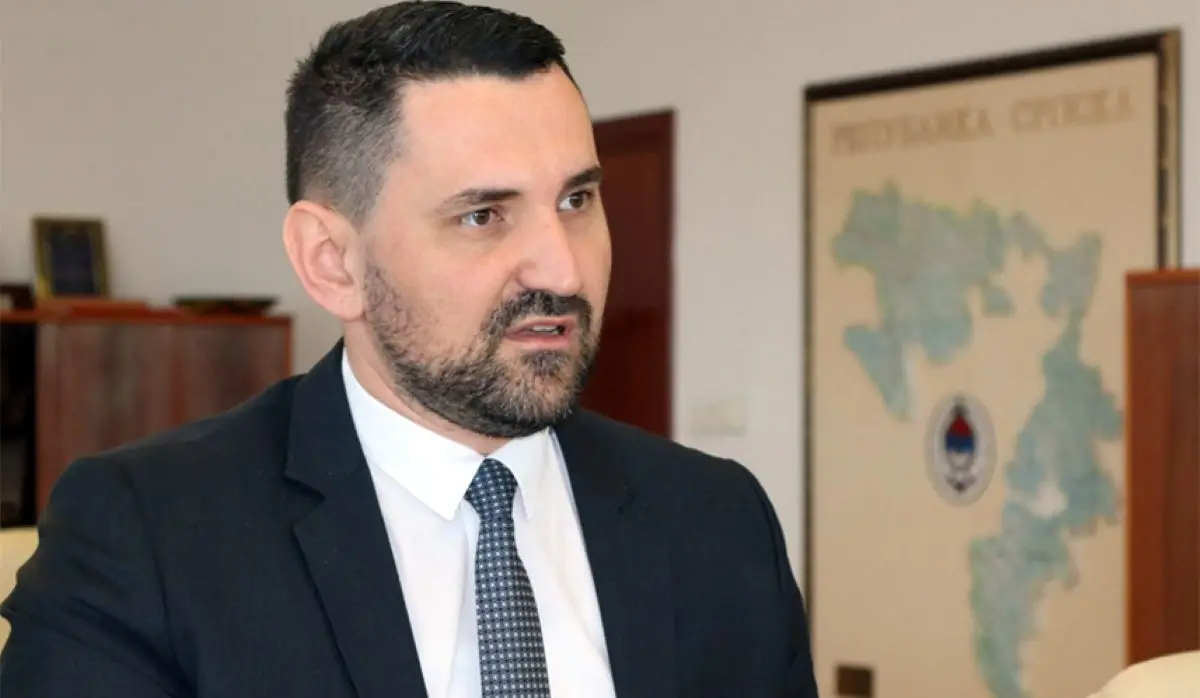
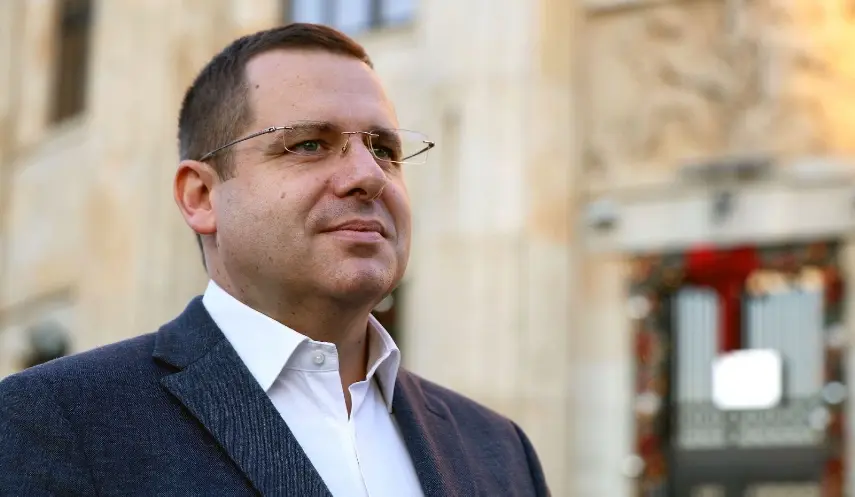
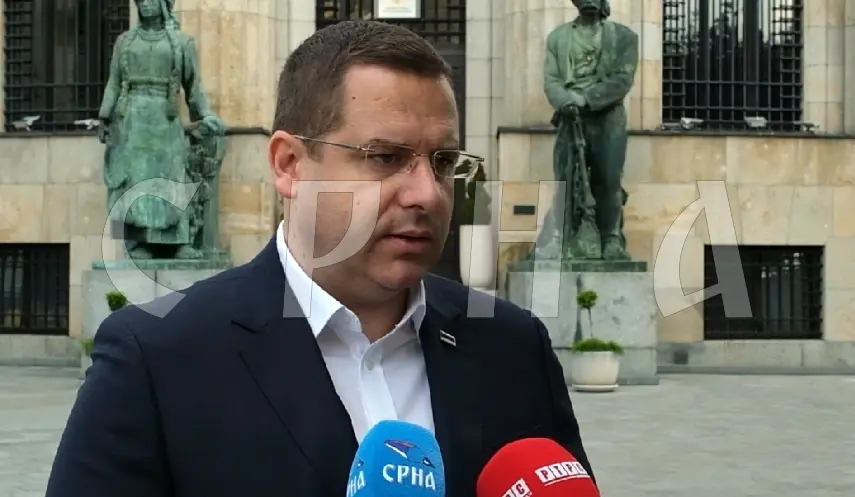
BANJA LUKA, JULY 8 /SRNA/ - Zlatan Klokić, Minister of European Integration and International Cooperation of Republika Srpska, stressed that BiH does not need new forms of international interventionism, but that certain European governments, instead of supporting the closure of the OHR, continue to insist on preserving that mechanism.
Klokić emphasized that BiH needs consistent respect for the Dayton Peace Agreement, the Constitution of BiH, and the equality of its two entities and three constituent peoples.
"Only on these principles is it possible to build a stable and sustainable future," Klokić wrote in an op-ed for Glas Srpske.
He pointed out that there is a deadlock regarding the future of the institution of the High Representative, as the United States insists that the next High Representative act in accordance with the mandate lawfully entrusted to the office under the Dayton Peace Agreement.
According to him, leaders in Berlin, Paris and London, discredited in their own countries, are seeking to retain control over BiH through that office, as if they were still desperately clinging to the last relic of a bygone era of imperial domination over other countries and peoples.
"The question arises: if these leaders are not capable of successfully governing even their own countries, on what grounds do they believe they have the right to govern another?" Klokić asked.
He pointed out that the political leaderships in Berlin, Paris and London are facing historically low levels of public support as a consequence of policies that have proved to be a complete failure.
He said that German Chancellor Friedrich Merz and French President Emmanuel Macron enjoy exceptionally low levels of public trust, with their approval ratings having fallen below 20 percent.
At the same time, he added, British Prime Minister Keir Starmer, with an approval rating of just 22 percent, was forced to resign following disastrous results in local elections.
"It is difficult not to notice the paradox that European leaders, whose political support in their own countries is at a historic low, are persistently working to continue governing BiH through the international High Representative," Klokić said.
He recalled that since 1997, the institution of the High Representative, invoking the so-called Bonn powers, has made decisions that are not envisaged by the Dayton Peace Agreement or the Constitution of BiH.
Such practice, he added, has led to the weakening of domestic institutions and a reduction in their responsibility for making political decisions.
Klokić stressed that this was particularly evident during the mandate of Christian Schmidt, whose legitimacy Republika Srpska has challenged from the very beginning.
He reminded that in an op-ed published last month, former Swedish Prime Minister Carl Bildt, who was the first High Representative in BiH, wrote that the legality of the so-called Bonn powers "has always been, at the very least, questionable."
"Bildt then states that the Bonn powers degraded the country's political system. According to him, the dynamic they created 'led to a vicious cycle in which external intervention prevented the system from developing the capacity to function on its own, which in turn created the need for new interventions'," Klokić wrote.
He also added that Bildt further assesses that, following the US decision in May to remove Schmidt from office, "this would be a good opportunity for Bosnia to embrace a future without a High Representative".
"Instead of supporting the closure of the Office of the High Representative and restoring full responsibility to domestic institutions, certain European governments continue to insist on preserving a mechanism that has long lost its democratic and legal foundation," Klokić stressed.
Klokić concluded that this sends a message that BiH, even three decades after Dayton, is not capable of managing its own processes, which is not in the interest of any of its peoples.