29 NEW HIV/AIDS CASES REPORTED THIS YEAR
Republika Srpska - Public Health Institute
11/29/2026
12:40

BANJA LUKA, NOVEMBER 29 /SRNA/ – A total of 29 new HIV/AIDS cases have been reported in Republika Srpska this year, 18 of whom have already developed AIDS, while 11 have tested positive for HIV six people have died, the Public Health Institute told SRNA.
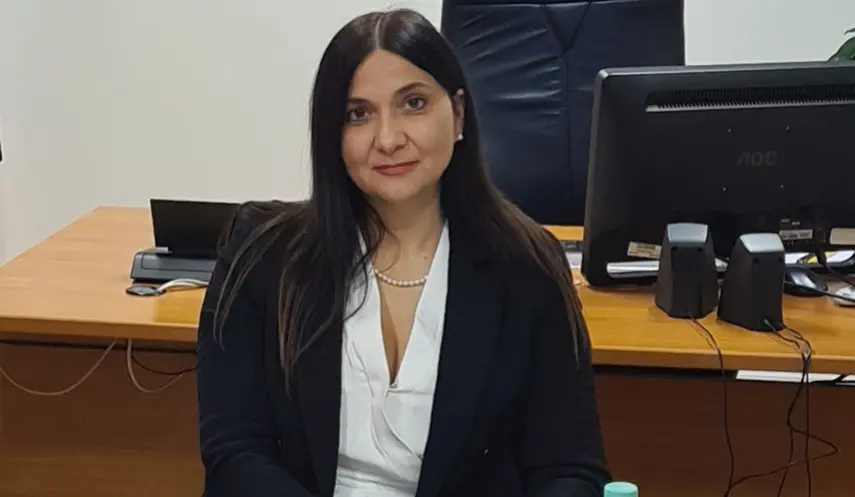
Nina Rodić Vukmir, an epidemiology specialist at the Institute, told SRNA that 150 people are currently receiving treatment for HIV infection or AIDS in Republika Srpska.
“Of the total number of cases, 45 per cent belong to the homosexual/bisexual population, 24 per cent to the heterosexual population, while the category is unknown for 31 per cent. In terms of age groups, the largest number of reported cases falls within the 30–49 age group,” Rodić Vukmir said.
According to the Institute's data, since HIV/AIDS reporting began, 242 people have been diagnosed with HIV/AIDS in Republika Srpska, while 38 people have died from the consequences of the disease.
Ahead of December 1 – World AIDS Day – the Republika Srpska Public Health Institute is highlighting the importance of continuous education, prevention, timely testing and early detection of HIV infection, as well as the need to reduce discrimination against people living with HIV.
Vukmir stated that the Institute's Epidemiology Department has operated a Voluntary, Confidential and Anonymous Counselling and Testing Centre for HIV, hepatitis B and C, and syphilis for more than 15 years.
The services are free of charge, anonymous and confidential, allowing citizens to seek information, assess their personal risk and undergo testing without fear of judgement or having their identity disclosed.
“The Institute continuously works to expand access to these services and reach different population groups. To this end, evening testing and counselling sessions are organised, along with testing and educational activities in correctional facilities and cooperation with the student population,” Vukmir said.
The aim is to make counselling and testing accessible to as many people as possible, particularly those who, for various reasons, are less likely to use regular healthcare services or face difficulties accessing information and prevention programmes.
On the occasion of World AIDS Day, the Republika Srpska Public Health Institute called on citizens to stay informed, take responsibility for their health and make use of the available counselling and testing services.
“Testing is an act of responsibility towards oneself and others. Knowledge, early detection and treatment enable a better quality of life, while understanding and support contribute to a society free from stigma and discrimination,” epidemiologist Nina Rodić Vukmir emphasised.
According to the latest estimates by UNAIDS and the World Health Organization /WHO/, approximately 41 million people worldwide were living with HIV in 2025, including 1.3 million children under the age of 15.
During the same year, approximately 1.2 million people acquired HIV, while around 570,000 people died from AIDS-related illnesses. Of the total number of people living with HIV, approximately 32.1 million are receiving antiretroviral therapy.
Although modern treatment has significantly reduced the number of AIDS-related deaths, the epidemic has not been brought to an end. Particularly concerning is the fact that approximately 93,000 children acquired HIV during 2025.
The African region continues to bear the greatest burden of the HIV epidemic, accounting for approximately 64 per cent of all people living with HIV worldwide. However, HIV is present in every part of the world, and no country is exempt from this public health challenge.
The WHO has stated that stigma and discrimination remain major problems. They not only affect the quality of life of people living with HIV but also often discourage them from getting tested, seeking medical assistance and accessing treatment.
With early diagnosis and regular treatment, a person living with HIV can enjoy a long and fulfilling life, work, start a family and actively participate in their community.
HIV is not transmitted through everyday social contact, hugging, shaking hands, sharing eating utensils or being in the same room.
The main routes of transmission are unprotected sexual intercourse, contact with infected blood, and transmission from mother to child during pregnancy, childbirth or breastfeeding, if appropriate preventive measures are not taken.
People who take their medication and achieve a sustained undetectable viral load in their blood do not transmit HIV through sexual contact.