TOMMOROW IS 35TH ANNIVERSARY OF UNPUNISHED KILLING OF ŠABAC JOURNALISTS ON PETRINJA–GLINA ROAD
Croatia - war crimes
10/08/2026
12:08

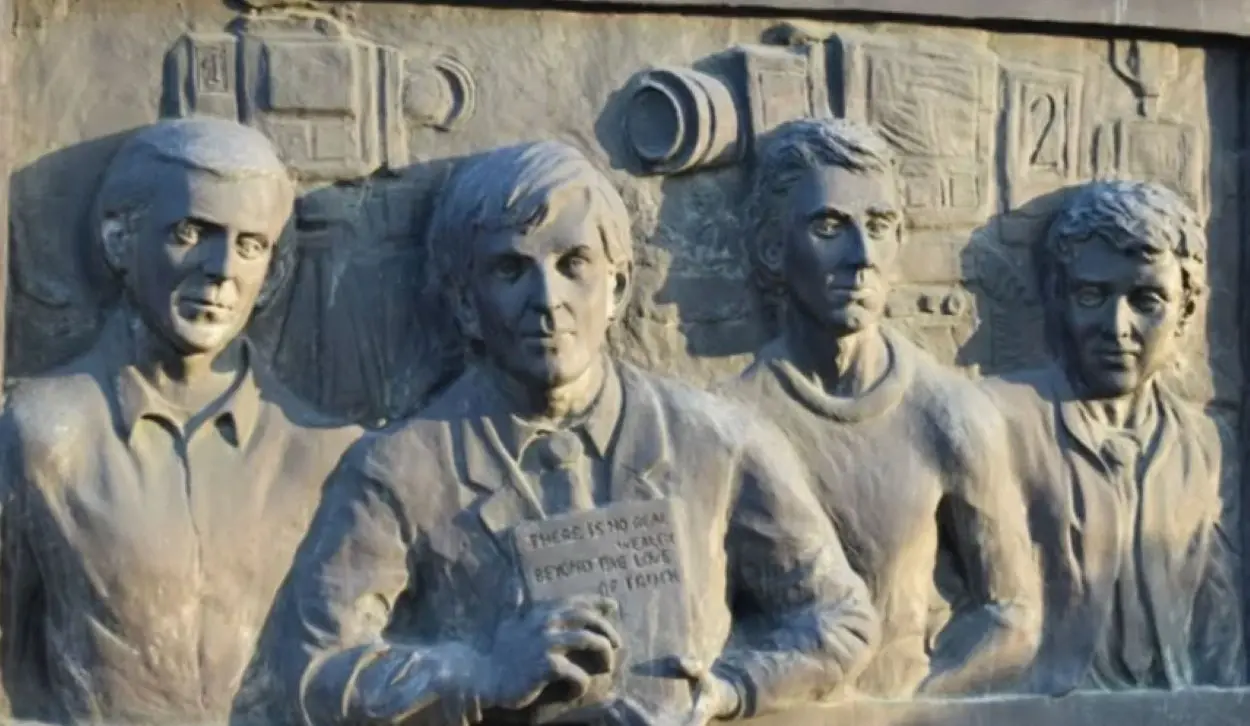
BELGRADE, OCTOBER 8 /SRNA/ - Tomorrow will mark the 35th anniversary of the unpunished killing of a Radio-Television Belgrade news crew from Šabac in Croatia in 1991, and an investigation by the Association of Journalists of Serbia found that a Croatian media outlet had published documents that journalist Zoran Amidžić had with him when he was killed.
The Association reminded that members of the Radio-Television Belgrade team from Šabac - journalist Zoran Amidžić, cameraman Bora Petrović, camera assistant Dejan Milićević, and Sretan Ilić, an editor at Radio Šabac who had been mobilized, was wounded and died on the way to the hospital, were killed on October 9 on the Petrinja–Glina road.
The white civilian car they were traveling in was ambushed and riddled with bullets during a ceasefire, and no one was ever held accountable for the crime.
According to journalist Filip Mirilović, who worked on the investigation by the Association of Journalists of Serbia, the Šabac-based correspondent team following the wartime movements of the Šabac Brigade arrived at the JNA forward positions in the morning.
All of them were in civilian clothes except Ilić, who was wearing a uniform as a reservist and got into the car to guide his journalist colleagues safely through the area.
“They first arrived in the village of Srednje Mokrice, but did not stay there, instead continuing toward Donje Mokrice, where the brigade’s forward positions were located opposite the village of Dumače, which was still held by Croatian forces. After filming was completed, the group of reporters headed back. They stayed in Srednje Mokrice for a while and then continued toward Selište, taking the road through Gornje Mokrice,” Mirilović wrote.
Written accounts from that period largely coincide up to that point, after which conflicting information begins to emerge, much of which would later prove to be inaccurate.
Mirilović states that, most likely, the journalists’ vehicle was stopped by a burst of gunfire near the village of Gornje Mokrice, and autopsy findings led to the conclusion that there had been at least three attackers.
After Amidžić had already been buried, an envelope arrived in the Amidžić family’s mailbox containing a copy of the front page and a two-page article from the Croatian weekly tabloid Slobodni tjednik, under the headline “Shoot Spies Without Stopping!”
Journalist Dragana Bjelica of the Association of Journalists of Serbia, who worked on the investigation, wrote that this article remains to this day the most valuable evidence concerning the killing of the Šabac journalists because it contained two documents that were in Amidžić’s possession when he was killed.
Among the documents published were a military permit authorizing a visit to JNA units to film a “TV report on units deployed in the crisis area,” and a document that the Croatian newspaper article presented as a “list of Šabac Chetniks who had come to ‘liberate’ Croatia from the Croats.”
“In fact, it was a list of the names of underage handball players in Šabac that the late Amidžić had with him, including the name of his son. Amidžić was also a member of the management of the Metaloplastika handball club from Šabac. The children who played handball at the club were listed as though every single one of them had been in Glina,” the investigation by the Association of Journalists of Serbia stated.
According to the investigation, the article makes it clear that the author used a notebook and documents that Amidžić had with him when he was killed, and although it was signed by Jovan Kubura, he was not the person who wrote the article.
At the initiative of their families and friends, the Šabac street from which the news crew set out on its final assignment now bears their name. A memorial to the journalists who were killed has been erected in the “Memory Quarter” in front of the building that still houses the RTS correspondent office.


ZAKHAROVA: IF AGGRESSION COMES FROM WESTERN EUROPE, WE WILL RESPOND
AMIDŽIĆ: GOVERNMENT MEASURES LED TO DEFLATION IN SRPSKA
TOMMOROW IS 35TH ANNIVERSARY OF UNPUNISHED KILLING OF ŠABAC JOURNALISTS ON PETRINJA–GLINA ROAD
NEW SCHOOL ATTACK, ONE PERSON KILLED, TWO INJURED