GLORIOUS BATTLE OF CER ENDS
Serbia - First World War - anniversary
08/23/2026
09:58

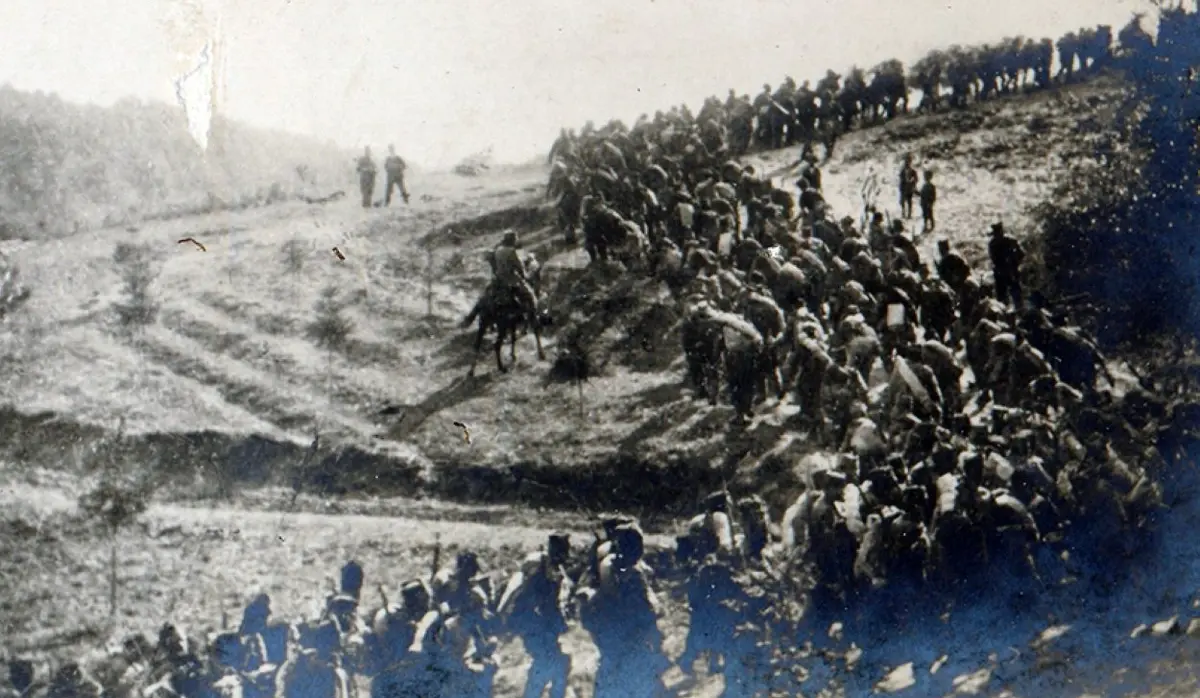
BIJELJINA, AUGUST 23 /SRNA/ — The Battle of Cer, in which the Serbian Army decisively defeated Austro-Hungarian forces and secured the first Allied victory of the First World War, ended on August 24, 1914.
Of the 200,000 Austro-Hungarian troops who had attempted to invade Serbia from August 12, none remained in the country apart from 4,500 prisoners of war.
During the bloody fighting, Austro-Hungarian losses reached 27,000, while more than 16,000 Serbian soldiers were put out of action, including 2,107 killed.
Austro-Hungarian soldier and journalist Egon Erwin Kisch recorded the dramatic events in his diary at the end of August 1914: “The army has been defeated and is in a ruthless, wild and panicked flight. A defeated army - no, a shattered rabble - rushed in senseless fear towards the border.”
From July 29 to August 11, the Austro-Hungarian army launched artillery attacks in northern and northwestern Serbia and succeeded in establishing a system of pontoon bridges across the Sava and Danube rivers.
The Serbs knew it was impossible to defend the entire 550-kilometre border with the Austro-Hungarian Empire.
For this reason, Commander-in-Chief Field Marshal Radomir Putnik ordered the Serbian Army to withdraw towards traditional defensive positions in Šumadija, from where it could quickly deploy towards the west and north.
Strong detachments were stationed in Valjevo and Užice, while reconnaissance units were deployed at key points along the border.
On the slopes of Mount Cer, in the village of Tekeriš, the Serbian Army won one of its most celebrated victories of the First World War on August 19, 1914, defeating a military power whose territory was six times larger and population 11 times greater than Serbia’s.
General Stepa Stepanović, commander of the Serbian Second Army, was awarded the rank of Field Marshal for his successful command during the battle.
The battle had a major impact on Austro-Hungarian troops in the Balkans, and its forces in Montenegro were forced to withdraw from Pljevlja, which they had captured on August 19.
The victory brought Serbia international attention and won it sympathy in neutral and Allied countries.
Articles about Serbia’s defense became increasingly common in British newspapers, while the country was held in such high regard that some Italian intellectual groups supported Italy entering the war on the Allied side, citing Serbia and Montenegro as examples.