RONČEVIĆ-MRAOVIĆ: GENOCIDE AGAINST SERBS IN THE NDH NOT HAVING NAME IS NATIONAL SHAME
Region - Jasenovac - remembrance
04/22/2026
16:11
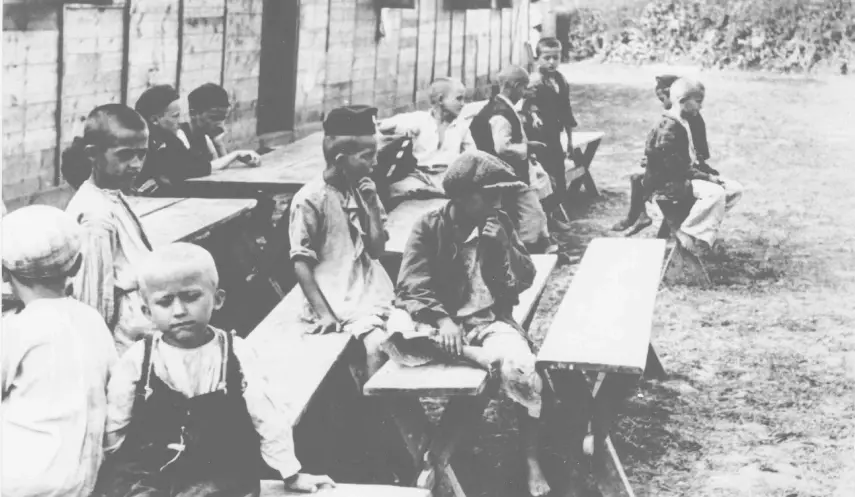
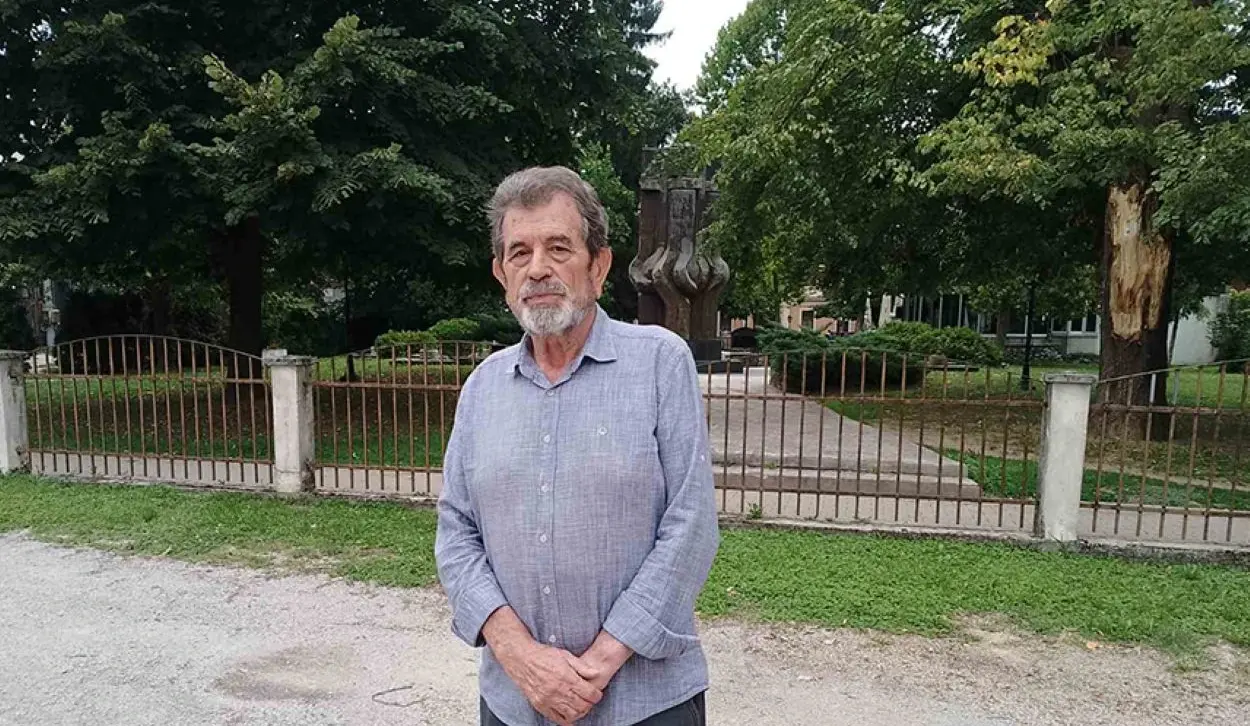
BELGRADE, April 22 /SRNA/ – Gojko Rončević Mraović, who as a child survived the horrors of the Jastrebarsko children's prison camp, told SRNA that it is a national shame that, 81 years after the breakout of prisoners and the liberation of Jasenovac, Serbs still do not have a name for the genocide committed against them in the NDH, nor has the Serbia's parliament adopted a resolution on the Ustasha genocide.
Rončević-Mraović emphasized that neither he nor his friends who survived the Ustasha camp as children - Smilja Tišma and Jelena Buhač-Radonjić, despite being in their tenth decade of life, will ever stop testifying about the monstrous nature of the crimes, but that the voice of institutions is also required.
"It is a great shame. Jews, Roma, Armenians have given a name to the genocide committed against them. We have not. Politicians are constantly calculating," said Rončević-Mraović.
He stated that over the past decade he has had numerous conversations with Serbia's top officials about the need to adopt a resolution on the Ustasha genocide and that everyone agrees it is necessary, but no one votes for it when it is before parliament.
"A group of MPs recently submitted such a resolution again. It has been submitted several times. Neither the government nor the opposition supported it. For the first submitted draft of the resolution, even the late Joža Broz, grandson of Josip Broz Tito, voted in favour. Among 20 MPs, it was him who voted for the resolution, even though Tito is the greatest enemy of the Serb people of all time and the one who dismantled the Serb nation," said Rončević-Mraović.
Rončević-Mraović /91/, who in Jastrebarsko was dressed in a Ustasha uniform and selected among about sixty Serb children for "re-education," said he does not know whether he was officially converted at that time, but that it is a historical fact that, with the knowledge of Cardinal Alojzije Stepinac, 250,000 Serbs were forcibly converted to Catholicism, something he even boasted about to the Vatican.
"He was sentenced to 16 years, but he should have been sentenced to death. Everything else is empty talk," said Rončević-Mraović.
Rončević-Mraović, who was born in Trstenica, about fifty kilometers from Zagreb, still vividly remembers the scenes of half-dead and murdered Serb children in Jastrebarsko, where he ended up after the killing of his closest family members in a refugee convoy of Serbs.
"They slaughtered my father. They killed my mother, as well as my brothers aged ten and three, and my 13-year-old sister. In the refugee convoy they hunted us like in winter hunting game. They chased us and killed us. Whoever they caught, they slaughtered. They ran 200 meters after my only surviving brother, who was next to me, to kill him too, and since they didn't catch him, they shot and wounded him. I was small and a small target, so they didn't hit me," he said.
Rončević-Mraović stated that partisans liberated the Jastrebarsko camp on August 26, 1942, while prisoners remained in Jasenovac until April 22, 1945.
"Tito did not allow Jasenovac to be liberated. He cooperated with the Ustashas throughout the war. Until they free themselves from the cult of Tito and communism and name the genocide committed against their own people, Serbs will not be Serbs," Rončević-Mraović said.
Today 81 years ago, the last surviving inmates of the Ustasha concentration camp Jasenovac began a breakout in order to escape from the largest death factory in southeastern Europe.
The number of victims in the Jasenovac concentration camp has never been precisely determined, while in recent decades revisionists have manipulated this figure, drastically reducing it.
Camp archives were destroyed twice - at the beginning of 1943 and in April 1945.
The Croatian State Commission, established in 1945, stated in its report to the International Military Tribunal in Nuremberg that the number of victims was between 500,000 and 700,000.
After the Second World War, in an effort to equalize victims and merits for the country's liberation, the communist authorities did everything to mention Jasenovac as little as possible.
No films or series were made about the largest killing site in the NDH, and communist leader Josip Broz Tito never visited Jasenovac.