REQUEST CLEAR GUARANTEES OF SOC’S RIGHTS AND JURISDICTION FROM PRIŠTINA
Region - Linta
11/28/2026
10:09

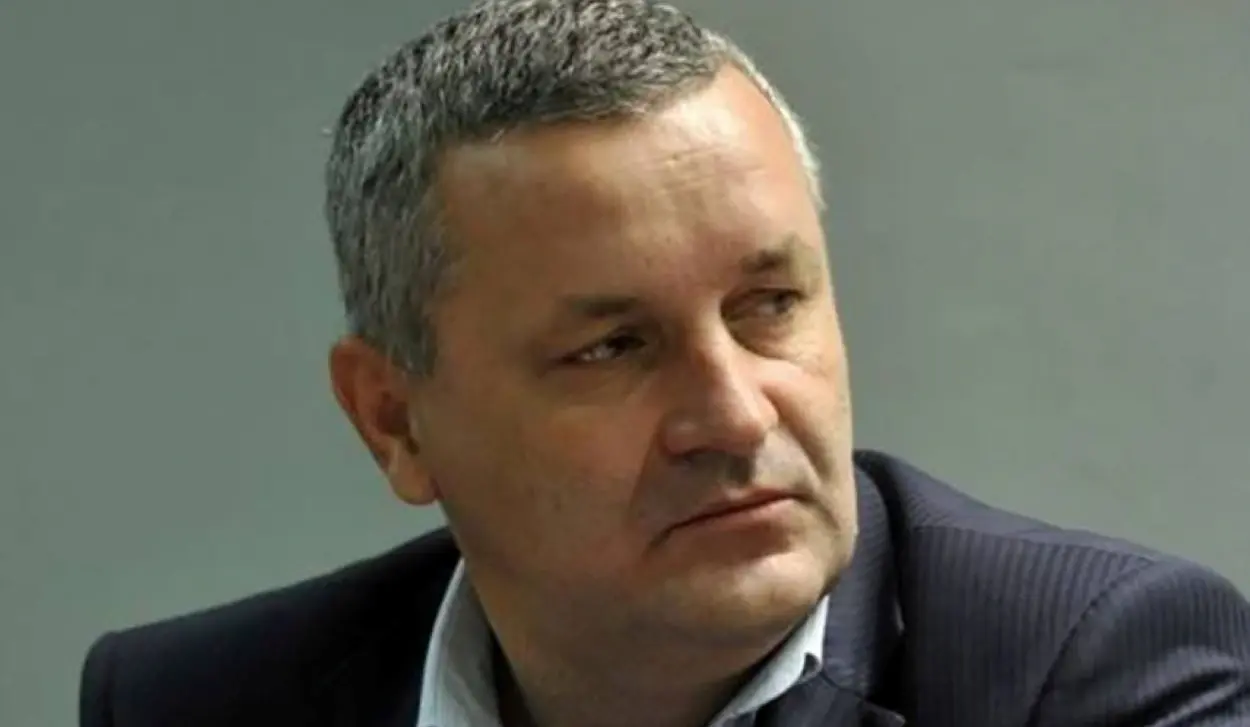
BELGRADE, NOVEMBER 28/SRNA/ – Miodrag Linta, Chair of the Association of Serbs from the Region, said that the EU and international community representatives have an obligation to prevent Priština from using its inspection powers to restrict the rights of the Serbian Orthodox Church /SOC/ to protect its property and cultural heritage.
“Protecting Serbian Orthodox holy sites is not merely a matter of preserving cultural heritage, but also of safeguarding the religious, national and historical identity of the Serb people in Kosovo and Metohija,” Linta stressed.
Linta said it was unacceptable that Priština, through its proposed Law on the Central Inspectorate for Cultural Heritage, is creating the possibility of interfering with the rights and jurisdiction of the SOC, particularly in specially protected zones in Kosovo and Metohija.
The new law, he stressed, must not serve as a basis for restricting the SOC’s rights or changing the special protection regime ofits holy sites and property.
He said that the provisions of Articles 5 and 6 were particularly contentious, as they grant the inspectorate broad powers to independently inspect cultural assets, suspend works and take measures concerning interventions in cultural heritage.
“Such powers could create room for arbitrary conduct and jeopardise the special legal guarantees of the SOC unless the limits of their application are clearly defined,” Linta warned.
He stressed it is essential to confirm that these provisions could not diminish or circumvent the rights of the SOC established under the applicable legislation.
He said that the EU and representatives of the international community have an obligation to demand that the Priština authorities provide clear legal guarantees of the rights and jurisdiction of the SOC, as well as the protection of its property and cultural heritage.
Linta recalled that the 2008 Law on Special Protective Zones provides special legal protection for the most important Serbian Orthodox holy sites in Kosovo and Metohija.
These include the monasteries of Visoki Dečani, the Patriarchate of Peć, Gračanica, Devič, Banjska and the Holy Archangels, as well as numerous other churches, monasteries and sites of cultural and historical significance.
The protection also covers their immediate surroundings, the land belonging to them, and the wider areas within the specially protected zones.
Linta noted that, for certain works and activities within specially protected zones, such as the construction of commercial facilities and roads and the urbanisation of agricultural land, the law requires municipalities to obtain the prior consent of the SOC.
“It is therefore essential to clearly regulate the relationship between the new inspection powers and the existing legal guarantees, so as to prevent protection mechanisms from being circumvented or interpreted differently,” Linta said.