NOBILO'S EXPOSING OF PROSECUTOR DEALS A MAJOR BLOW TO CROATIAN JUDICIARY
Croatia - war crimes - Štrbac
07/22/2026
15:25
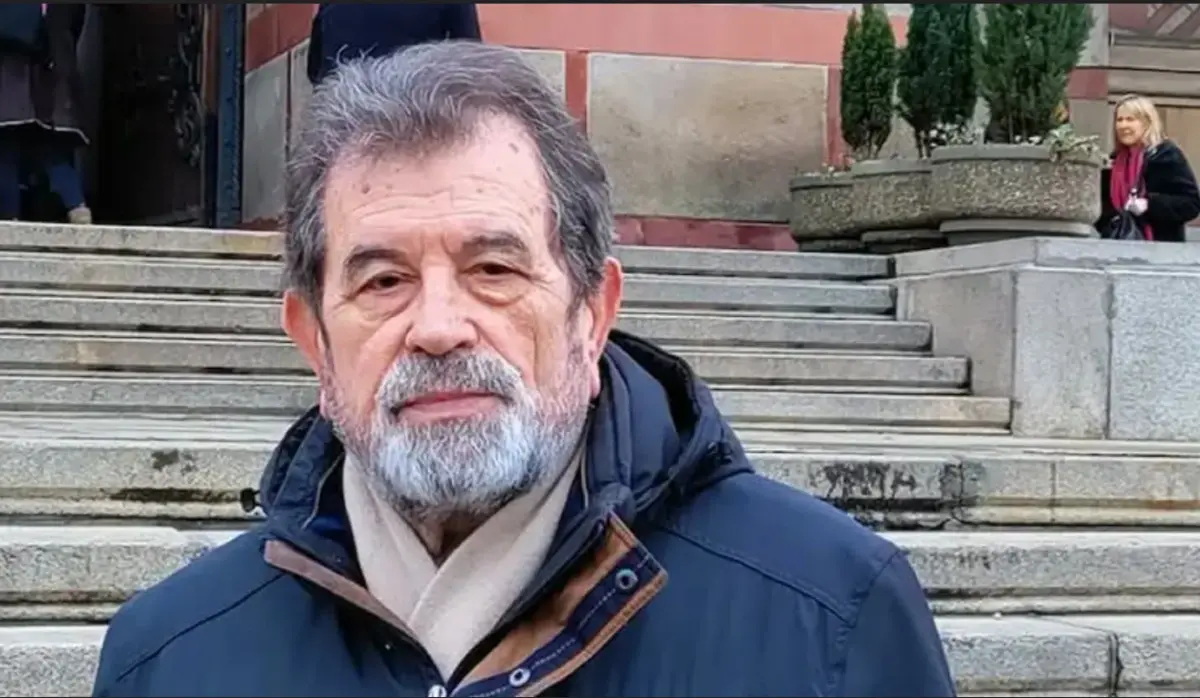
BELGRADE, JULY 22 /SRNA/ - The criminal complaint filed by Croatian lawyer Ante Nobilo against Zvonko Ivić, a war crimes prosecutor from Šibenik, who manipulated witness statements to draft a war crimes indictment, has dealt a major blow to the Croatian judiciary, according to Savo Štrbac, director of "Veritas".
Štrbac told SRNA that Nobilo had accused Ivić of falsifying records, knowingly fabricating statements by elderly and ill witnesses, and shamefully manufacturing a war crimes indictment against his client Zoran Korda from Zečevo near Kistanje.
He stressed that the complaint had exposed the Croatian judiciary to its core and confirmed that it was at rock bottom.
He added that it was also a major blow to the "Croatian model," which was exported to Kosovo and Metohija and BiH, and which involves accusing as many wartime enemies as possible of war crimes, which are not subject to a statute of limitations.
For that very reason, he assessed, this case should receive wide publicity.
Štrbac said that this legal template, used by the prosecutor, exposed in the Korda case and applied to hundreds of Serbs for years, was "surgically precise."
"The prosecutor selected those witnesses whom he assessed would, by the time a trial or the main hearing took place, either be dead or unable to testify, in which case, under the Criminal Procedure Code, their previous statements would simply be read out," Štrbac explained.
He added that, in this way, the defense was permanently deprived of the opportunity for direct cross-examination, and that a lie once entered into the official record thus became "evidence" based on which multi-year prison sentences were handed down.
Štrbac stressed that lawyer Nobilo noticed that witnesses had given different testimony about the same event because some other people had also been tried in absentia.
"Nobilo then went from witness to witness and asked them what the truth was. They were surprised and said that they had never made the statements that he presented to them. That is how it was discovered that Ivić had added and doctored all of it," Štrbac said.
He said that the authorities had "removed" Ivić as early as October last year, believing that what he had done would remain quiet and stay "within the house", but that Nobilo was appalled by the act, could not overlook it, and instead filed a criminal complaint.
"The new Chief State Prosecutor Ivan Turudić was forced to discreetly remove Ivić from new war crimes cases, realising that his methods had become too heavy a burden for a judicial system that is trying to maintain the appearance of European standards," Štrbac said, describing the Croatian model as appalling.
As the latest example of what he called Croatian judicial engineering, he cited the opening of an investigation by the Split County State Prosecutor's Office into the case of the killing of the four-member Marinković family in Šopot near Benkovac in December 1992, with which four Serbs have been charged.
"Thirty-four years have passed since that tragic event. The defendants now live in Great Britain, the United States, Australia and Serbia. There is not a single piece of evidence linking the four of them to the crime scene. So what, then, is the basis for the 'reasonable suspicion'? Once again, we have the same model and once again the statement of a 'key witness'," Štrbac said.
He said that the witness in question was Mile Drača, a former neighbour of the suspects; the Prosecutor's Office deliberately failed to disclose that he was a notorious alcoholic who had been receiving psychiatric treatment in Bar for months.
"In any state governed by the rule of law, the mental capacity and credibility of such a witness would be subject to the strictest expert assessment before four people on three continents were prosecuted for such a serious criminal offence. However, Drača fits perfectly into the 'Croatian model'," Štrbac said.
He believes that the criminal complaint against Ivić is a historic opportunity for the Croatian judiciary to confront itself and the truth, but he doubts that this will happen.
"If Pandora's box containing all of Ivić's cases, as well as those of other prosecutors from the war period to the present day, were opened, the myth of the infallibility and purity of Croatian justice would collapse like a house of cards. Zagreb is still not ready to accept that truth, despite the facts," Štrbac concluded.