LINTA: GRATITUDE TO ZAFRANOVIĆ FOR COURAGEOUSLY SPEAKING OUT ABOUT THE SUFFERING OF TENS OF THOUSANDS OF SERBIAN CHILDREN
Region - Alliance of Serbs
10/03/2026
16:40
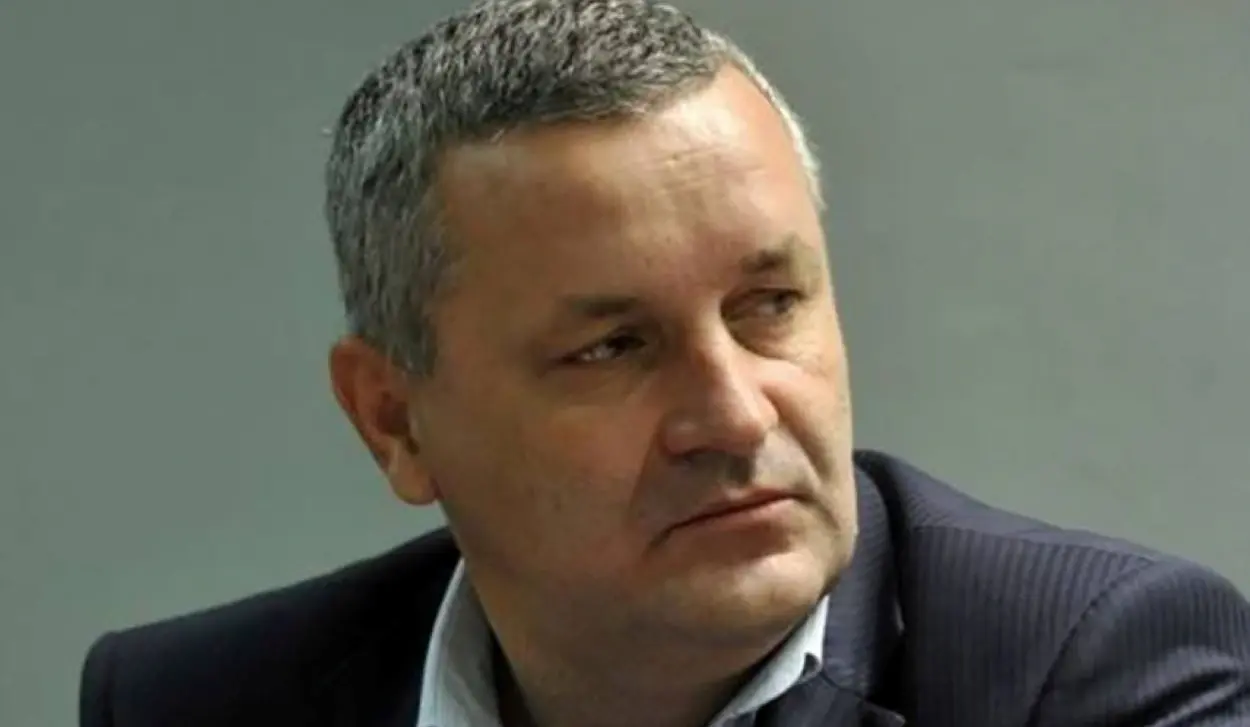
BELGRADE, OCTOBER 3 /SRNA/ - Miodrag Linta, president of the Alliance of Serbs from the Region /SSR/, thanked director Lordan Zafranović for using his film The Golden Cut 42 – Children of Kozara to speak out forcefully about the suffering of tens of thousands of Serbian children from the Kozara area who were taken to death camps in the Independent State of Croatia /NDH/ during the Second World War.
He said it was particularly significant that a Croatian artist had chosen to address the issue of the mass and systematic suffering of Serbian children through his artistic work.
"That is why we owe Lordan Zafranović our sincere gratitude for having the courage to contribute to confronting the crimes committed by the Ustaše regime in the genocidal Independent State of Croatia /NDH/," Linta said.
He said that every child of Kozara had a name, a family, a home and the right to life, and that we therefore owe these victims not only our respect, but also a responsibility to establish, preserve and pass the facts on to future generations, the Alliance of Serbs from the Region said in a statement.
Linta stressed that Serbia therefore has an obligation to systematically research and document the suffering of Serbian children and the Serbian people as a whole in the NDH, and to present the truth about the genocide committed against the Serbian people to the public in Serbia and, above all, to European and international audiences.
The premiere of Lordan Zafranović’s film “The Golden Cut 42 – Children of Kozara” about the suffering of Serbian children and the people of Kozara in the hell of the Ustaša-run Jasenovac camp in the criminal NDH will be held today in Banja Luka under the auspices of the President of Republika Srpska.
The film is based on historical events and testimonies about the suffering of the Serbian people of Kozara, as well as the Jewish and Roma populations, during the Second World War, with a particular focus on children who were separated from their parents during the 1942 offensive and deported to camps and other locations across the then NDH.
Institutions in Republika Srpska and Serbia supported the film's production.

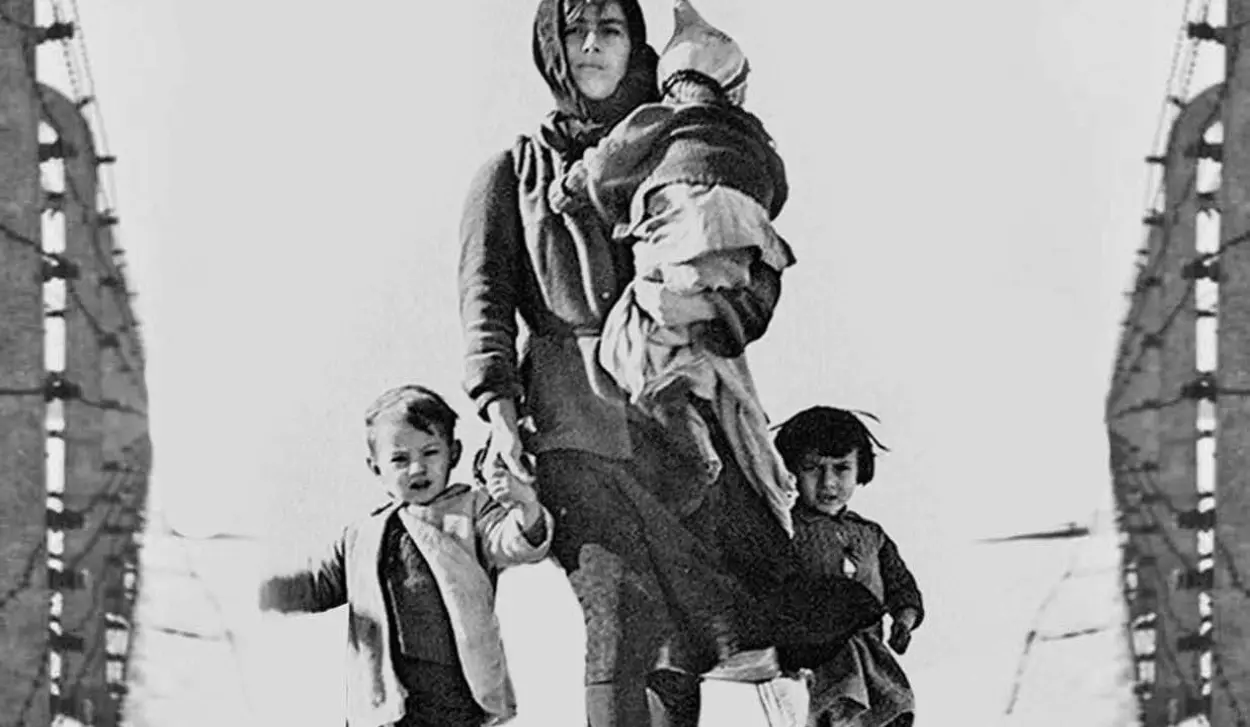
KARAN: IN ZAFRANOVIĆ’S FILM, ART, HISTORY AND TRUTH HAVE BECOME ONE
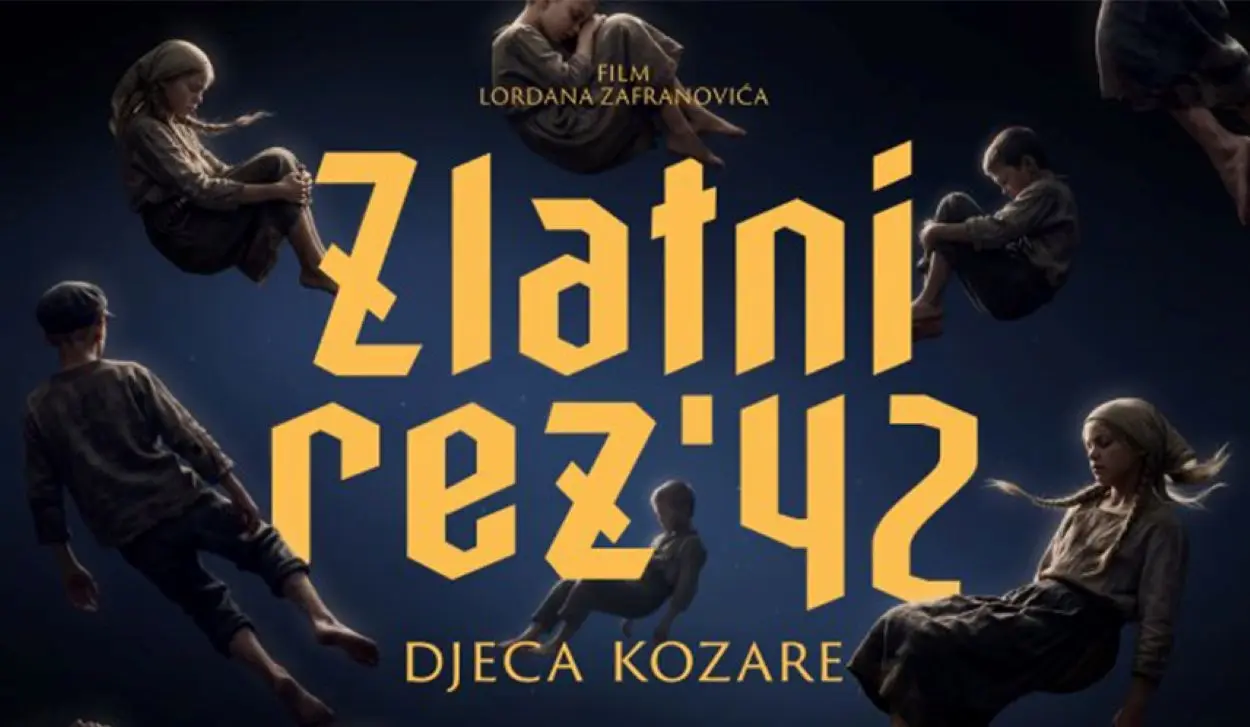
STEVANDIĆ: CULTURE OF REMEMBRANCE IS A CULTURE OF IDENTITY
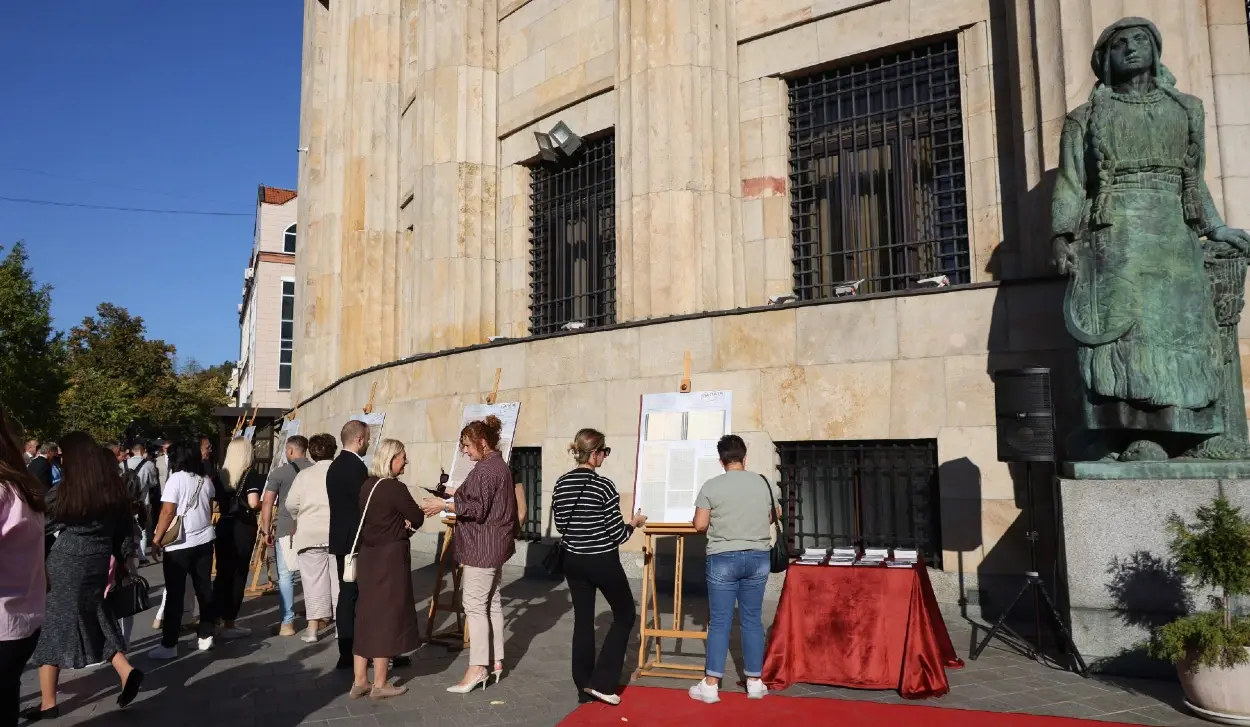
KARAN: PALACE OF THE REPUBLIC SYMBOLIZES INSTITUTIONAL STRENGTH OF REPUBLIKA SRPSKA
MORE THAN 980 KILOGRAMS OF NARCOTICS SEIZED