KOVIĆ: EU BELIEVES IT OWES NOTHING TO SERBS WHO ONCE DEFENDED IT
Croatia - Orthodoxy - cemeteries
02/24/2026
13:24
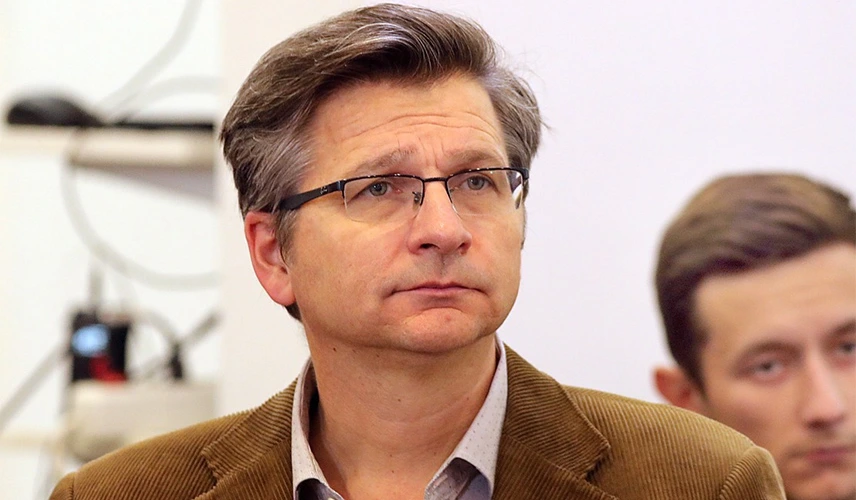
BELGRADE, FEBRUARY 24 /SRNA/ - Historian Miloš Ković told SRNA that the European Union evidently believes it owes nothing to the Krajina Serbs, who once defended it from incursions from the east, and that the lack of reaction to Croatia's actions has therefore ceased to be surprising.
Ković said that the tearing down of crosses at a cemetery in Vrbovsko, Croatia, is part of a broader process of expelling the Serbian people, erasing their traces, and, in particular, the desacralization and destruction of Serbian cemeteries, from Kosovo and Metohija to Gorski Kotar.
"There is no longer any need to express surprise or astonishment at the fact that the EU, which formally stands behind the principles of the rule of law and human rights, does not voice any protest or impose sanctions on Croatia, where, as we can see, there are not only remnants of Ustasha ideology but also a revival of Ustasha ideas and practices," Ković said.
According to him, in every evil there is also something good, namely that the Serbian public, not only in Belgrade and Banja Luka, is being reminded that there are not only Serbian cemeteries in Gorski Kotar, but also Serbs living in the Krajina area.
"The EU evidently believes that it owes nothing to the Serbs and the Krajina Serbs, who once practically shed their blood defending it from incursions from the east. That is a fact, and it should be acknowledged as such," Ković said, commenting on the removal of old Orthodox crosses in Vrbovsko, a town that was once part of the Austro-Hungarian Military Frontier and is today in Croatia.
A large number of Orthodox crosses were removed from cemeteries in the Vrbovsko area in Gorski Kotar. The removals were carried out by municipal services, which explained that the crosses were "worn and damaged markers that posed a potential safety hazard".
According to the Eparchy of Gornji Karlovac, the iron crosses are several centuries old and constitute cultural monuments.