JOVANOVIĆ: 3,000-YEAR-OLD KALAKAČA SITE SHOULD BE FURTHER EXPLORED
Serbia - Inđija - archaeology
08/26/2026
14:20

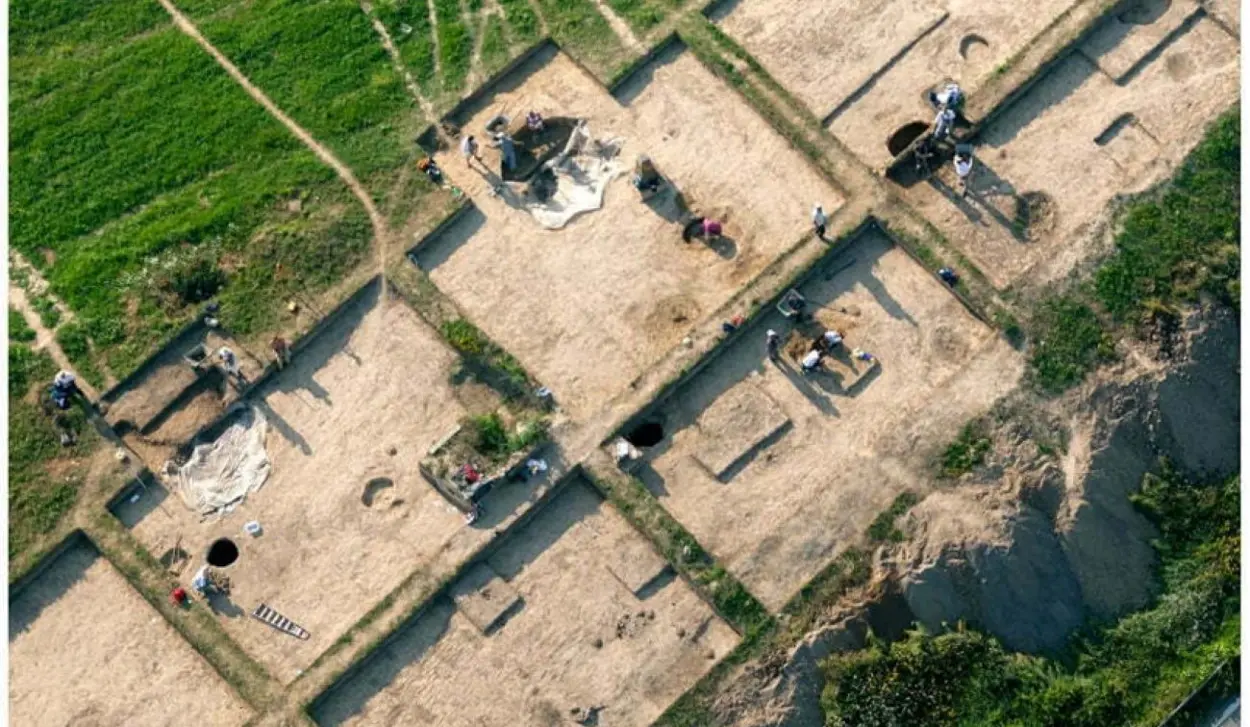
BELGRADE, AUGUST 26 /SRNA/ – The Kalakača archaeological site near Beška, which is around 3,000 years old, has not yet been fully explored, which there is a great need for in order to gain a more complete image on the way of life, customs and broader historical context of this area, Nenad Jovanović of the Inđija Tourism Organisation said.
Jovanović noted that archaeologists have documented 215 structures at this Iron Age settlement, mostly circular pits that were used as silos for storing grain and other agricultural products.
"These findings point to developed agriculture as the foundation of life for the population at the time. In addition to farming, the proximity of the mighty Danube enabled them to engage in hunting and fishing, which supplemented their diet," Jovanović said.
The settlement's strategic position on a river terrace provided natural protection, while additional security was provided by excavated ditches and defensive embankments, the remains of which are still visible today.
"This testifies to a community that not only produced food, but also knew how to preserve its resources and protect itself from potential threats," Jovanović said.
The site was first subjected to more extensive archaeological research during major infrastructure works – the construction of a motorway and a bridge over the Danube between 1971 and 1974. Additional protective excavations were also carried out in the early 2000s during the expansion of the motorway.
Thanks to these excavations, numerous artifacts from Kalakača are now part of the permanent archaeological exhibition at the Museum of Vojvodina in Novi Sad, RTV reported.
The artifacts discovered, primarily pottery and tools, helped experts link the inhabitants of Kalakača to the so-called Bosut culture, which was widespread across the territory of present-day Vojvodina and northern central Serbia.
Many of the objects are decorated with a distinctive "S" ornament, which became something of a signature of this ancient culture.