GENERAL MLADIĆ SUBTLY BEING KILLED IN THE HAGUE, FAMILY SHOULD NOT GIVE UP THE FIGHT
The Hague - Mechanism - Pavković
05/24/2026
13:53
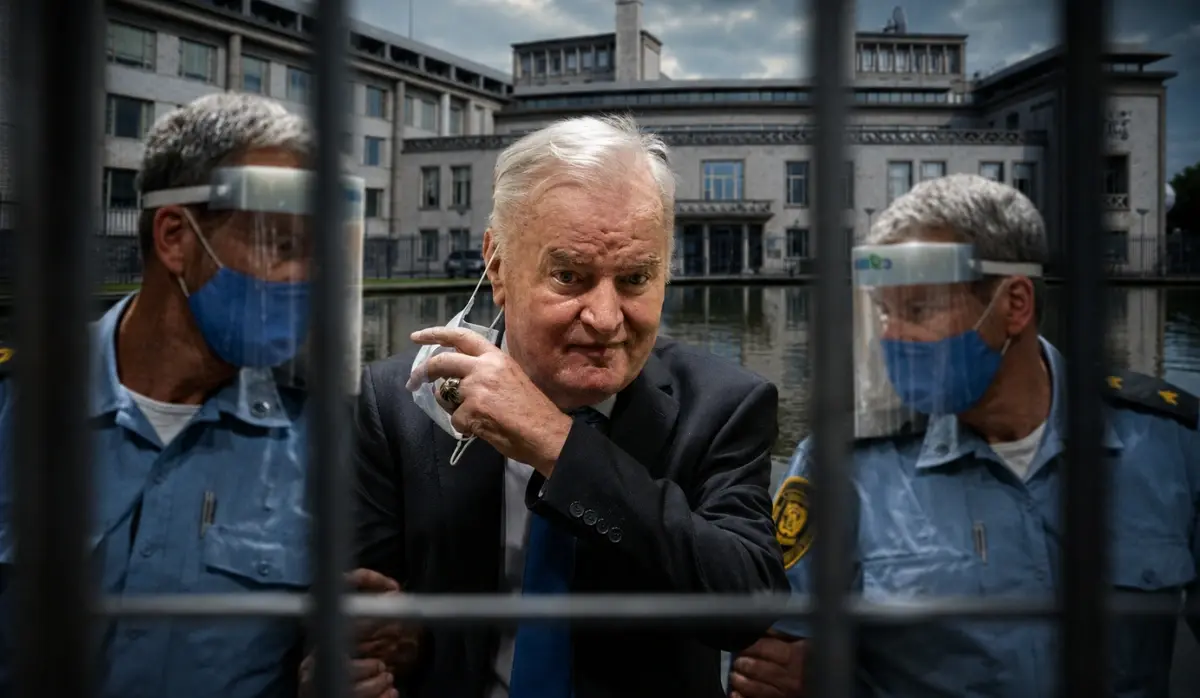
BELGRADE, MAY 24 /SRNA/ - By being denied adequate medical treatment in The Hague, General Ratko Mladić is being “subtly, carefully and gradually” killed, just as, on the order of the Mechanism, the same was done in Finland to General Nebojša Pavković, Marija Pavković, daughter of General Pavković, told SRNA.
Pavković said she believes that General Mladić is not receiving the necessary care. “I know they are denying him infusions, and I believe they are carrying out the same kind of killing,” Pavković said.
She added that upon reviewing her father's medical records after he arrived in Belgrade, top experts at the Military Medical Academy in Belgrade confirmed that her father had been “poisoned by medication.”
Pavković explained that her father was given medications he did not need in extremely high doses, and at the same time, he was not provided with infusions or blood transfusions so that his body, weakened by cancer, could in some way be “nourished.”
According to her, as those medications and doses were gradually withdrawn, his organs began to fail, after which he fell into a coma and was placed on a ventilator.
“I believe the same is being carried out against the general, regardless of the fact that he is in The Hague, because this in Finland was also done under instructions from The Hague,” Pavković said.
She emphasized that she was shocked that General Mladić was not granted provisional release for medical treatment, but said she believes in divine justice and that he will eventually be released.
She described as absurd the fact that decisions on the release of convicted persons, after two-thirds of their sentence has been served and on humanitarian grounds, are not subject to review by any panel, but instead fall under the discretionary authority of Mechanism President Graciela Gatti Santana, adding that it is not normal for such important decisions to be in the hands of a single person.
Regarding her father’s humanitarian release, she pointed out that Santana repeatedly sought additional opinions, and when an independent medical expert confirmed the views of the others, she then requested an assessment of how long General Pavković had to live.
“Probably so she could decide when to release him - right before death,” Pavković said, adding that she is now grateful to God that her father returned to Serbia, saw that he had not been forgotten, and was reunited with his family.
She emphasized that her father doubted he would ever return to Serbia, as requests for his release after serving two-thirds of his sentence had been rejected, which she considers a precedent introduced by the anti-Serb Mechanism after only Serbian convicts remained in European prisons. She added that she strongly supports Darko Mladić in persevering in his struggle.
Pavković said she had granted power of attorney to lawyer Srđan Aleksić, who announced that he would file a lawsuit against NATO on June 10 over her father’s death, alleging that high concentrations of depleted uranium and heavy metals had been found in his body.
“This indicates that the two cancers he developed were a consequence of depleted uranium used during the 1999 aggression against the FRY and Serbia,” Pavković said, adding that she does not expect anything significant from the verdict.
For the family, she said, satisfaction would come from removing the label of war criminal from her father, and she believes this would have meant a great deal to him personally as well. “I know he suffered greatly because of that; it weighed heavily on him. That label affected him personally, and also the state of Serbia. He had a strong desire to seek a revision of the proceedings. That would be our only satisfaction,” Pavković said.
She emphasized that General Mladić, just like her father and other convicted Serbs, is a hero, and that history must not forget those who betrayed them.
“We must never forget the address by the then state leadership when they proudly announced that Ratko Mladić had been arrested and that Radovan Karadžić had been arrested. It should be taught in textbooks how those people were betrayed,” Pavković concluded.

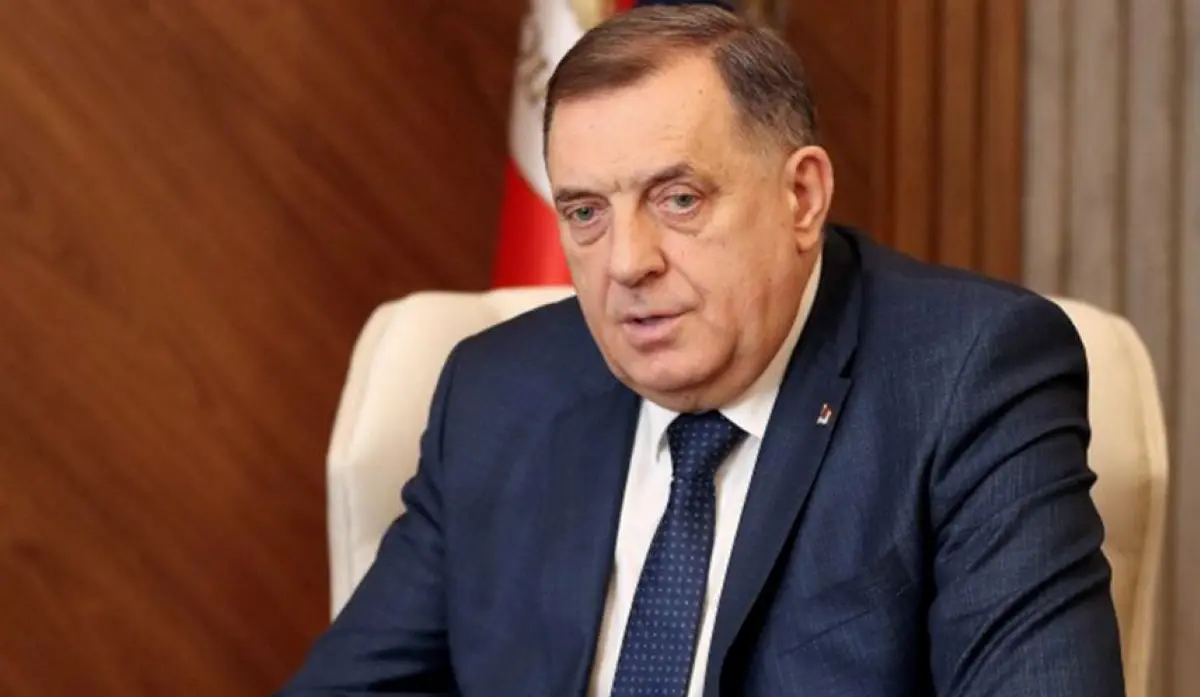
DODIK: FLIGHT BAN FOR PRIME MINISTER MACUT - ATTACK ON ALL SERBS
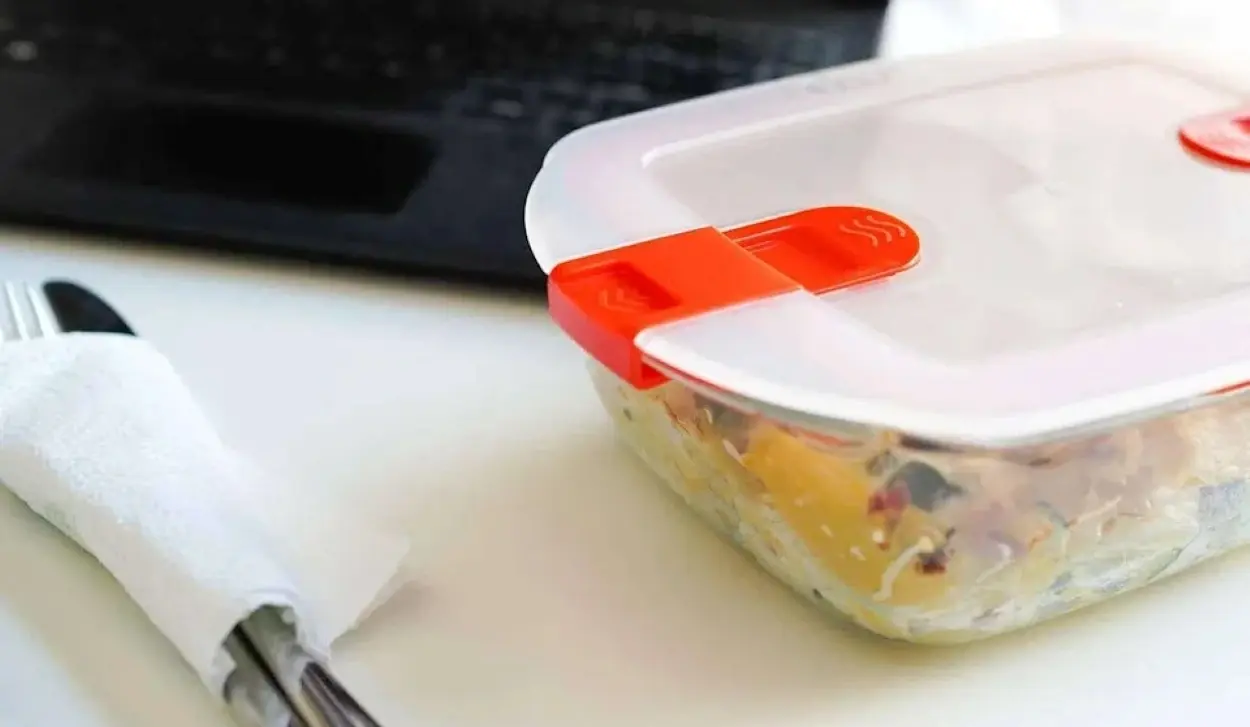
OFFICE WORKERS INCREASINGLY BRING LUNCH FROM HOME TO SAVE MONEY
MILIĆ: BUKVIK - ONE OF LARGEST SITES OF MASS KILLINGS OF SERBS
MACUT: FLIGHT BAN IS REGRETTABLE, WILL NOT PREVENT ME FROM COMING TO BANJA LUKA