DEĐANSKI: MAGYAR'S VICTORY WILL NOT DRASTICALLY AFFECT RELATIONS WITH SERBIA AND SRPSKA
Hungary - elections - reaction
04/13/2026
10:47
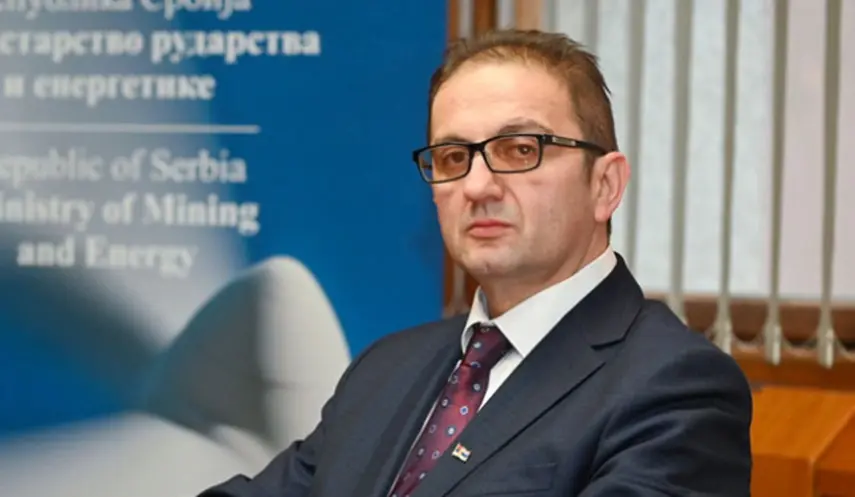
BELGRADE, APRIL 13 /SRNA/ – Political analyst Stevica Deđanski assessed that, following the electoral victory of the opposition headed by Peter Magyar and the Tisza party in Hungary, there will be changes, but that relations of Serbia and Republika Srpska with that country will not be drastically altered.
Deđanski points out that there is a shared interest in cooperation, primarily in the field of energy.
"That is impossible to change. Another reason is the Hungarian population, whose representatives here cooperate well and are integrated into the government. This indicates there will be no major changes, although there will be some in foreign policy, as Hungary will begin to behave more like part of the Brussels administration, which is not particularly favourable toward Serbia," Deđanski said.
He noted that with the defeat of Viktor Orbán, Serbs have lost a stable ally who defended the interests of Serbia and Republika Srpska.
"Now we will not have that. However, Peter Magyar comes from Orban's Fidesz, where he spent around fifteen years. He is not a typical Brussels-trained politician. Therefore, we can expect a somewhat balanced policy, with a greater orientation toward Brussels than toward other allies," Deđanski assessed.
He expects that the EU will certainly present the election results in Hungary as its own victory.
"They will have another country that will act the same way as they do, which means fueling conflicts, such as in Ukraine, or showing weakness in relations with the United States," Deđanski believes.
According to him, geopolitics is definitely changing, quite rapidly.
"There is resistance to that, so everyone is using the opportunity to present their own narrative. It is a fact that the EU-backed candidate has won, but it is also a fact that in practice this will not mean much regarding the EU's position on issues such as paying reparations for the war in Ukraine or dealing with the United States over their reluctance to participate in the conflict in Iran," Deđanski stated.
He believes this will happen regardless of the opposition’s victory in Hungary.
"But that victory has symbolic importance for them, as they will be able to say that the pendulum is swinging in their favour. In practice, it will not be so, but they will use it," Deđanski said.
In yesterday’s elections in Hungary, the Tisza party headed by Peter Magyar won, securing 138 out of 199 parliamentary seats and a two-thirds majority, while Fidesz, headed by Prime Minister Viktor Orbán, won 55 seats.