BOOK DOCUMENTING USTASHA ATROCITIES PRESENTED IN JERUSALEM
Israel - Serbs - culture of remembrance
04/30/2026
22:06
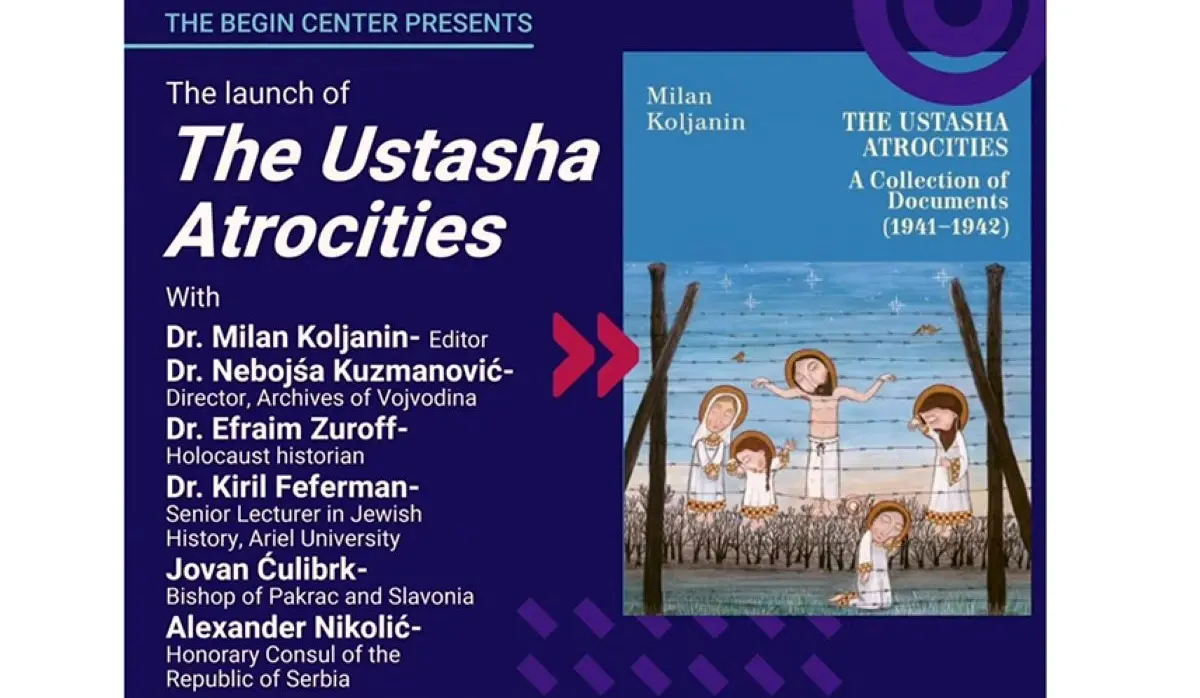
BELGRADE, APRIL 30 /SRNA/ – The English edition of the book "Ustasha Atrocities, Collection of Documents 1941–1942" was presented tonight in Jerusalem.
Serbian Foreign Minister Marko Đurić said the book represents the voice of those who can no longer speak, as well as a testimony to the victims and a warning to future generations.
"The book offers a comprehensive and unembellished account of crimes committed during the existence of the NDH and sheds light on a system of persecution and extermination that, with brutal consistency and precision, targeted the Serb, Jewish and Roma populations", Đurić said.
He emphasized that the suffering endured is not only a matter of national memory but part of the broader human story of the Holocaust and genocide.
Đurić warned against the repetition of narratives that attempt to justify or reinterpret crimes from the past.
"This also applies to the Balkans, where the survival of neo-Ustasha ideologies represents a particular danger, as it leads to the relativization and distortion of well-documented crimes. That is why the work of historians, educators and institutions is even more important", the Serbian Foreign Minister said.
Holocaust historian Efraim Zuroff stressed the importance of supporting all ongoing initiatives aimed at documenting what happened during World War II.
"Everything revolves around history. Without documents, there is no history and even less accurate history. In addition to documents, it is necessary to speak continuously and remind about justice for the victims", Zuroff said.
Honorary Consul of Serbia in Israel Aleksandar Nikolić noted that the first monument to the Jasenovac victims, the "Flower" was not erected until 1966, adding that it is now possible to see how crucial and critical the first two decades were lost.
"I am not only speaking about forensics, which is of primary importance here, but also that even elderly women in black were afraid to go and light candles at the most horrific concentration camp, Jasenovac", Nikolić said, Tanjug reported.
The book "Ustasha Atrocities, Collection of Documents 1941–1942", published by the Archives of Vojvodina from Novi Sad, is the result of years of research work by Milan Koljanin and his associates, based on primary sources from state and private archives, survivor testimonies and secondary literature.
The collection predominantly contains documents of German origin, including police and military records, as well as documents of members of the German national minority in the NDH.


TRUCKS CARRYING VIDEO BILLBOARDS DRIVE THROUGH NEW YORK SHOWING LIVES OF SERBS IN KOSOVO AND METOHIJA
CHILDREN - THE GREATEST VICTIMS OF ADVANCES IN MILITARY TECHNOLOGY

NEW GREENLAND AGREEMENT TO BE SIGNED TOMORROW

BROTHERLY CONGRATULATIONS TO UNITED RUSSIA, MEDVEDEV AND PUTIN ON ELECTION RESULT