ANDRIJA ARTUKOVIĆ - PAVELIĆ'S RIGHT-HAND MAN
Region - criminals - anniversary
11/13/2026
10:16

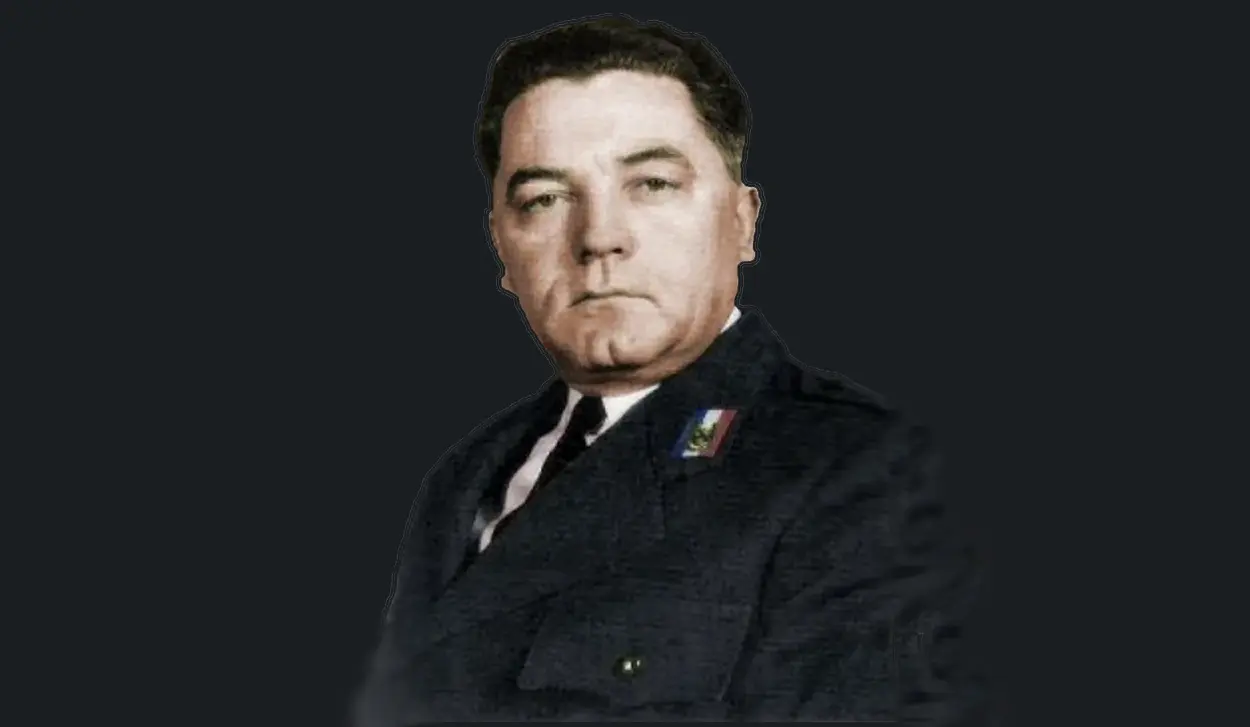
BIJELJINA, NOVEMBER 13 /SRNA/ - On November 14, 1984, the United States arrested Croatian war criminal Andrija Artuković, Minister of the Interior of the Independent State of Croatia /NDH/ and the right-hand man of Ustasha leader Ante Pavelić.
Artuković was sentenced to death on May 14, 1986, but the sentence was never carried out, as he died in prison less than three years later.
The then-Yugoslav authorities tried him only for individual cases of murder, but not for the genocide against Serbs, Jews, and Roma. This is still regarded by some as a farce and an attempt to conceal the true nature of Ustasha crimes in the name of "brotherhood and unity".
USER OF THE "RATLINES"
Artuković arrived in the United States in 1948 under a false name, having been brought there through the so-called "ratlines" – escape routes used by some Croatian Catholic dignitaries, in cooperation with the Vatican, which helped Ustasha officials evade justice.
US authorities ignored Yugoslavia's extradition requests, which Artuković's family sought to thwart by claiming that he suffered from Alzheimer's disease.
The trial of Artuković was the most significant such proceeding in the former Yugoslavia, which had pursued him for exactly 40 years.
HE SENT PEOPLE TO JASENOVAC, SET UP CHILDREN'S CAMPS...
In May 1941, Artuković ordered his subordinates to arrest and kill thousands of Serb civilians, from priests to children, women and the elderly, and to burn and destroy entire settlements.
From April 1941 to early October 1942, he ordered the forced deportation and killing of Serbs, Jews, Roma, and all political opponents in the Jasenovac, Stara Gradiška, Đakovo, Lobor, Jastrebarsko, Uštica, and other concentration camps.
More than several hundred thousand people were killed in this manner. Among the victims were as many as 2,000 children who were killed with poisonous gas at the concentration camp in Stara Gradiška, while thousands of children died in the camps from starvation, caustic soda /sodium hydroxide/ being mixed into their food, and other cruel methods.
The systematic deportation of Roma people to concentration camps began in May 1942, targeting people from the territories of present-day Croatia and BiH. Artuković thus sent more than 30,000 people from the areas of Osijek, Dalj, Županja, and other places to the Jasenovac camp.
As the Ustasha Minister of the Interior, Artuković ordered reprisals against the civilian population, particularly Serbs, including the killing of entire villages. His particular method of taking human lives was running people over with tanks.
CATHOLIC PRIESTS TESTIFIED IN DEFENSE OF WAR CRIMINAL
In 1958, Andrija Artuković faced the first possibility of extradition from the United States, as US authorities had information containing a list of names of people he had killed, mostly priests, women, and children. However, the prosecution failed to secure the necessary witnesses.
At the same time, Catholic priests testified in his defense, the first of whom was Stjepan Lacković, former secretary to Archbishop Alojzije Stepinac.
The second priest to testify on Artuković's behalf was Dragutin Kamber, who, like many other unconvicted war criminals, should himself have stood trial for the murder of more than 300 people in the Doboj area.
The third witness was Rene Herman, who had emigrated in 1949 and was a civil servant and member of the Crusaders movement who had been sentenced to 18 months in prison in Yugoslavia.
They swore before the US authorities that Artuković was innocent.
In the mid-1970s, 11 US congressmen wrote to then US Secretary of State Henry Kissinger, stating that "the sense of justice is offended by the fact that Andrija Artuković is living comfortably in Southern California despite evidence that he was the 'Croatian Eichmann'." However, their appeal had no impact.
On February 4, 1985, a court in Los Angeles found Artuković guilty of the charges against him and ruled that he was eligible for extradition.
HE SPOKE WITH STEPINAC "AS WITH A BROTHER"
At his trial in Zagreb, Artuković admitted that, as the NDH Minister of the Interior, he had a "very good relationship – like that of brothers" with Archbishop Stepinac, and that Stepinac told him things which were subsequently relayed to Pavelić.
Artuković also admitted that, having embraced Ustasha ideology and the principles of the Ustasha regime, he had also adopted the doctrine of "harsh remedies for harsh wounds".
He stated that the surrender of certain territories, such as Dalmatia, to Italy was a concession to Italian Fascist leader Benito Mussolini in return for his assistance to the Ustashas.
He claimed that racial laws had "partly existed in the NDH" and acknowledged that he was aware of cases of Serbs being forcibly converted to Catholicism, but maintained that this had been carried out by the Catholic clergy.
He confirmed that Serbs had been expelled, using the term "resettlement," and justified this by claiming that it was necessary to "cleanse the territory of the NDH".
Andrija Artuković was one of the few high-ranking Ustasha criminals to be held accountable, at least partially, for the horrific crimes committed in the NDH, which many political and clerical circles in present-day Croatia are attempting to deny.

GOLUBOVIĆ: SLAĐANA ZRNIĆ'S SUCCESS IN MOSCOW A SOURCE OF PRIDE FOR REPUBLIKA SRPSKA'S CULTURE
AfD HOLDS COMMANDING LEAD OVER MERZ'S COALITION
18-YEAR-OLD SUSPECTED OF LAST NIGHT'S MURDER ARRESTED
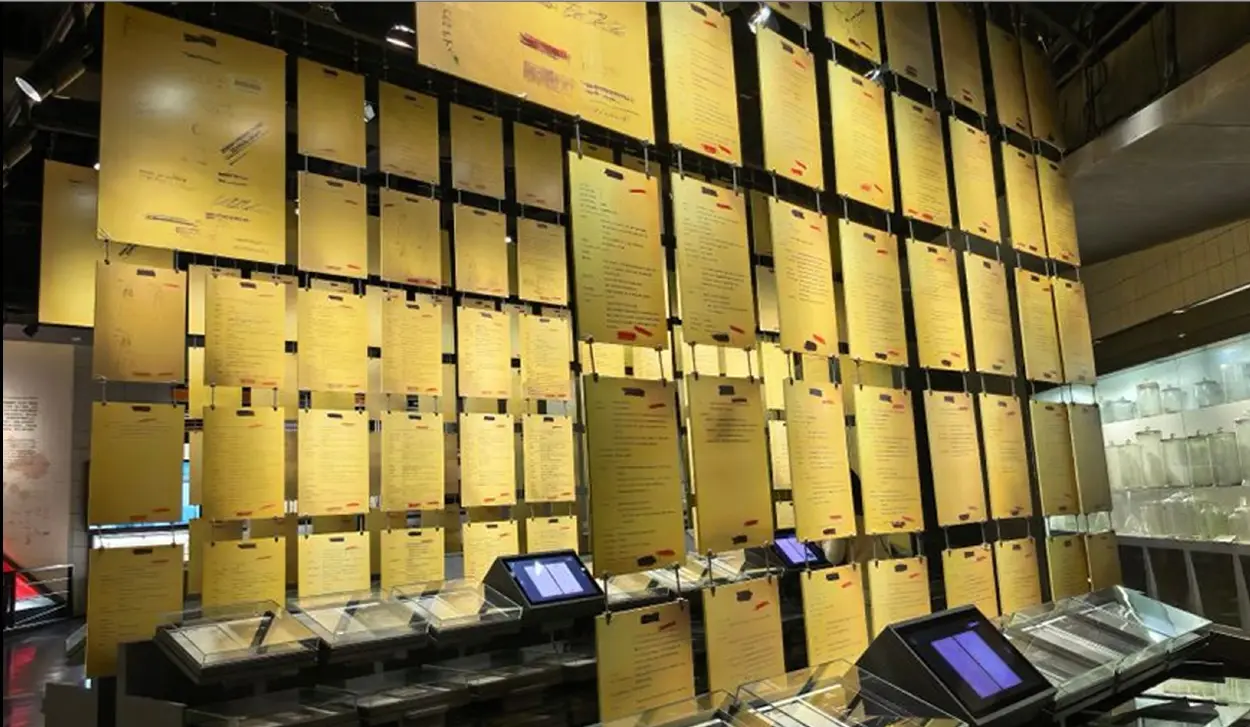
NEW EVIDENCE OF JAPANESE ARMY WAR CRIMES AGAINST CHINESE PEOPLE DURING WORLD WAR II