SERB PROPERTY AND ORTHODOX CHURCH ASSETS USURPED FOR DECADES
FBiH - Sarajevo - property of Serbs and Serbian Orthodox Church
08/22/2026
09:34

SARAJEVO, AUGUST 22 /SRNA/ — Publicist Dragan Mijović, in a statement to SRNA, has given details on how Serbian property in Sarajevo was appropriated, from the Orthodox cemetery itself to plans for the construction of a theological seminary.
BY ŽELJKA DOMAZET
Mijović said that efforts to implement plans for the construction of the seminary were also delayed by a long-running dispute between the Serbian Orthodox Church Municipality and the Catholic parish, which claimed ownership of half of the cemetery plot at Crkvina.
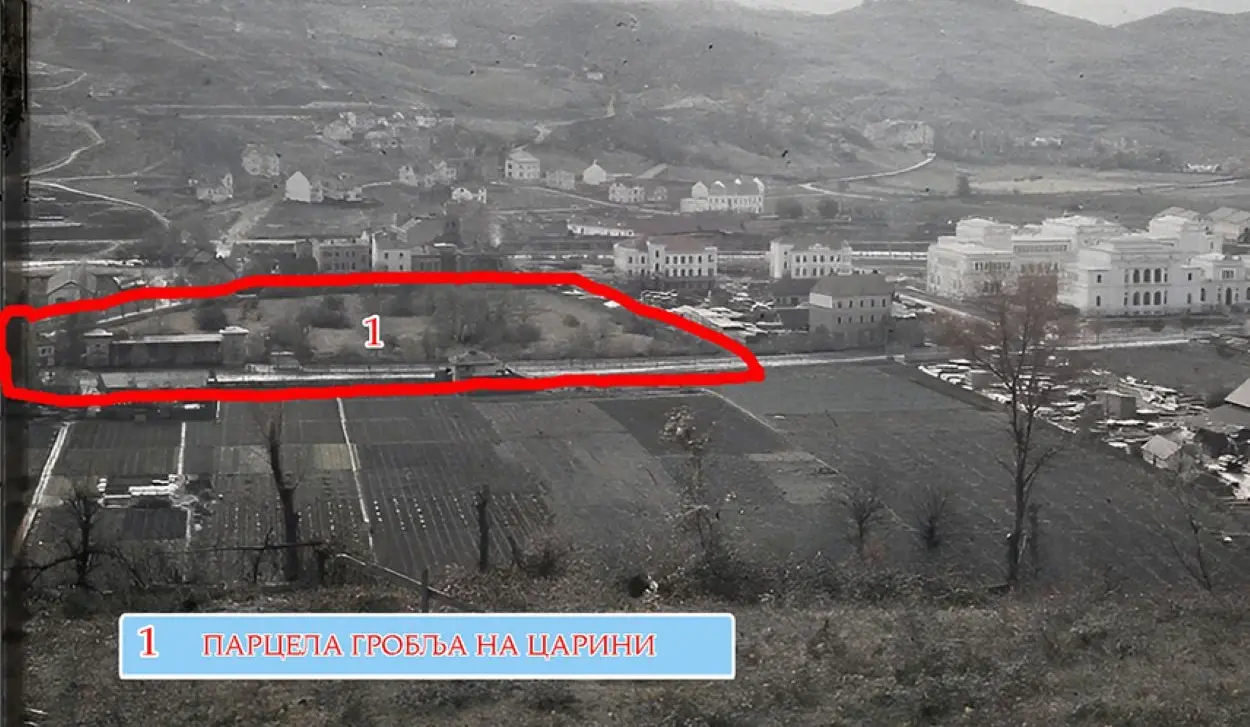
SRNA has previously reported on the old Serbian cemetery "na Carini", which was also the oldest city cemetery in Sarajevo. It was located in Marijin Dvor, on the site where the main administrative buildings of BiH's institutions were built half a century ago.
"Soon after the Austro-Hungarian occupation, the city authorities prohibited further burials, with the intention of exhuming the cemetery and moving it to another location. This process was postponed for a long time and was finally carried out in the late 1930s. In the meantime, Orthodox Serbs opened the Cemetery of the Holy Archangels Michael and Gabriel in Koševo, where the remains of those exhumed from the Carina cemetery were transferred," Mijović said.
Mijović explained that in the first years after the Great War, the Sarajevo Church Municipality had already planned the exhumation and subsequent use of the cemetery plot.
PLANS FOR THE CONSTRUCTION OF AN ORTHODOX THEOLOGICAL SEMINARY
"These plans also raised the question of building an Orthodox theological seminary, because the location of the existing seminary, built next to the Cathedral Church in 1898, was unsuitable, being in the very center of the city, on the main promenade /today the Faculty of Economics/. For this purpose, the Great Church-School Council approved, at a session on January 1, 1913, and soon purchased from Stefan Mihalić a plot of land between the Livada tavern and the Technical School, in the area of today's Holiday Hotel, at the high price of 20 crowns per square meter.
"In the 1920s, that plot intended for the seminary was transferred to the Serbian Patriarchate based in Sremski Karlovci. However, some old city plans emerged proposing the construction of two roads and a square there. Later, the cemetery plot on the other side of Vojvode Putnika Street proved to be a very suitable solution for this purpose, so the planned exhumation and plans for construction of the new seminary proceeded in parallel until the end of the 1930s," Mijović explained.
DISPUTE WITH THE CATHOLIC PARISH
Mijović said that progress towards achieving these objectives was also hindered by a long-running dispute between the Serbian Church Municipality and the Catholic parish, which claimed ownership of half of the cemetery plot.
"The Austro-Hungarian administration granted them this through an unfounded legal act, No. 850, dated March 2, 1915, during the Great War, when Serbs were virtually outside the law. The new authorities of the Kingdom of Yugoslavia /SHS/, unwilling to disturb the peace, also refused to review the decision, so the Serbian Church Municipality ultimately had to purchase 'their' share from the Parish Office.
So, it had to buy what the honorable Vasilj had centuries earlier donated to the 'Serbian Church', even though it had always been known whose cemetery it was, dating back even before the aforementioned Prince Bokčin in the mid-15th century, who, incidentally, also owned meadows and forests on Trebević /the Brus locality/," Mijović stated.
The 1878 occupation of Sarajevo found around 100 Catholics in the city, while the first census two years later recorded only 280, as officials from elsewhere had already begun arriving.
"It was only in the second half of the 19th century, with substantial assistance from Serbs, that they built their first chapel /parish house/ in Sima Milutinovića Sarajlije Street. Before the arrival of the 'Swabians', this small community was predominantly made up of poor seasonal workers - builders, road pavers and sewer workers - most of whom worked there from spring until autumn and would return to their homes, usually in Herzegovina, in October," Mijović explained.
If Catholics died in Sarajevo without relatives, Mijović noted, the Ottoman authorities ordered the Serbian Municipality to bury them at its own expense. A church sexton would then go around the taverns, offering a gratuity to those willing to "carry the deceased to Carina and dig the grave".
Mijović provided further details from that period, saying that "Šokci could not be buried wherever they wanted", but were confined to a smaller section of the cemetery separated from the main Serbian cemetery.
"Their community never contributed a single penny to maintain the cemetery or to pay taxes to the Turks. There was not a single old gravestone in the cemetery inscribed in Latin script, yet now they claim that half of it had always belonged to them. As the old saying goes: 'Help the poor, to your own shame.' At the time of this dispute, 'Pavelić’s archbishop' Ivan Šarić was based in Sarajevo, while his right-hand man was parish priest Božidar Bralo, the NDH commissioner for BiH, a sworn Ustasha member, responsible for the deaths of hundreds of Serbs. He was sentenced to death and executed in 1945," Mijović pointed out.