OSTOJIĆ: CRIME AGAINST SERBS AT ŠUŠNJAR IN THE NDH WAS ONE OF THE MOST BRUTAL AND MONSTROUS
FBiH - Šušnjar - culture of remembrance
08/02/2026
12:23
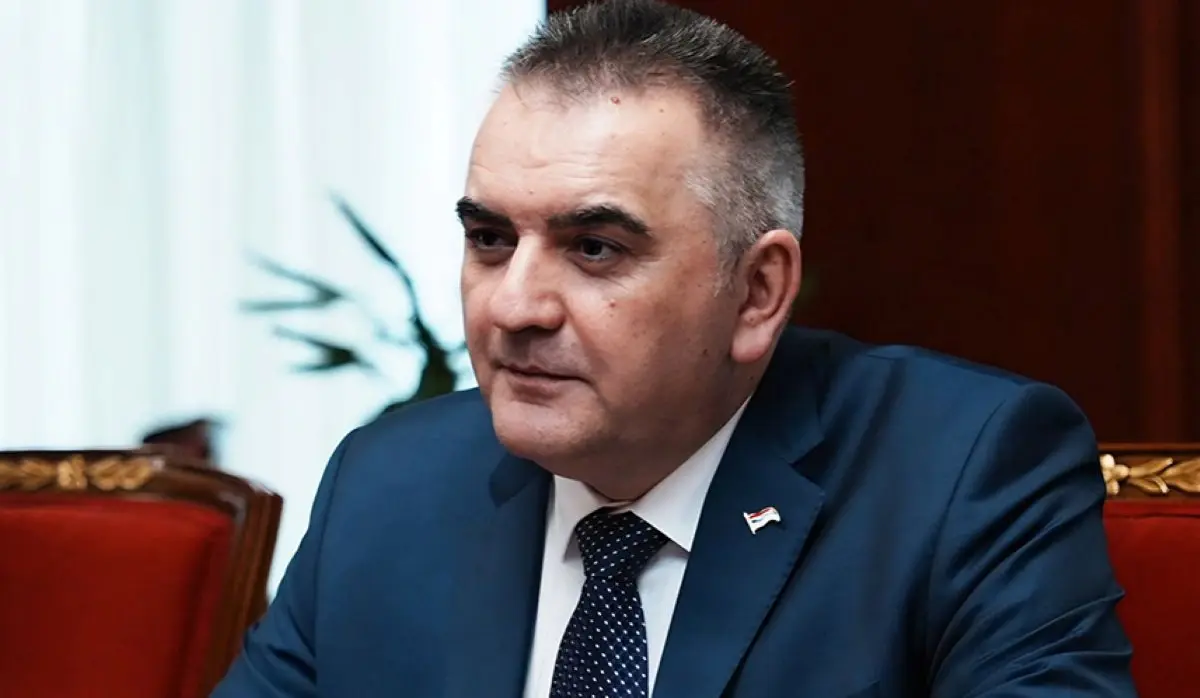
SANSKI MOST, AUGUST 2 /SRNA/ – Republika Srpska Minister of Labour, War Veterans and Disabled Persons Protection Radan Ostojić has said today that the crime committed against the Serb people at Šušnjar during the Independent State of Croatia /NDH/ was one of the most brutal and horrific atrocities of the Second World War and only one link in the chain of crimes that were planned and carried out against Serbs in the NDH.
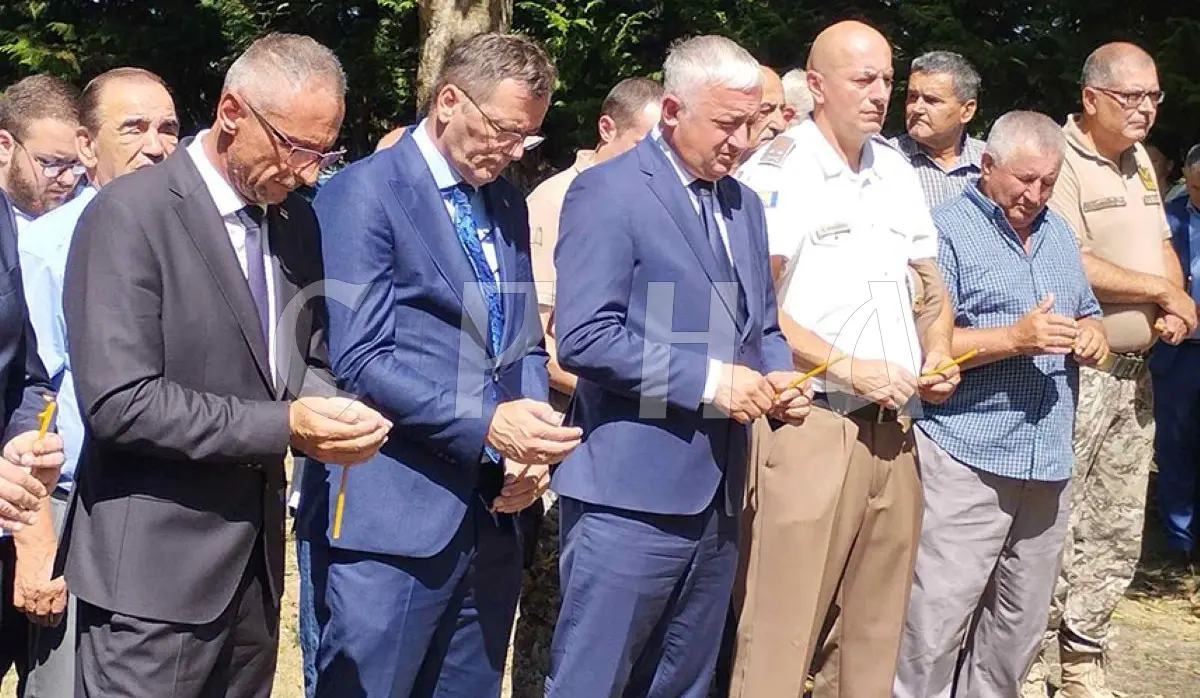
"We have gathered here at Šušnjar, this sacred place, a place of eternal silence, sorrow and grief, but also a place symbolizing the resurrection of the Serb people after the Second World War," Ostojić told the press at Šušnjar near Sanski Most, where he attended the commemoration marking the 85th anniversary of the Ustasha crime which killed 5,500 Serbs and 50 Jews.
He noted that during the 1990s, bearing in mind the experience of the crimes and genocide committed against Serbs during the Second World War, the Serb people succeeded in preventing genocide against themselves thanks to the Republika Srpska Army and the Ministry of Interior.
Ostojić stressed that Republika Srpska is the only guarantor of the Serb people’s survival in BiH and this region, adding that any form of coexistence with Bosniaks and Croats in BiH is impossible.
At Šušnjar, Ustasha forces killed 5,500 Serbs and 50 Jews from the Sanski Most district, with the largest massacre taking place on the major Orthodox feast of St. Elijah's Day /Ilindan/ in 1941.
In order to carry out their plan - to kill one-third, expel one-third and forcibly convert the rest to Catholicism, the Ustasha took many of the surviving Serbs, mostly women and children from Sanski Most, and subjected them to forced conversion.
According to general estimates, more than 10,000 Serbs were killed in the Sanski Most area during the Second World War.
The commemoration of this historical event is organised by the Republika Srpska Government's Committee fostering traditions of liberation wars.