MEMBERS OF THE SO-CALLED BiH ARMY WERE DESTROYING ORTHODOX HOLY SITES
FBiH - Committee protexting Serbs' rights
04/29/2026
14:54
SARAJEVO, APRIL 29 /SRNA/ – The Committee protecting Serb People's rights in the FBiH disputed claims made in a statement by a group of Bosniak leaders that the so-called Army of BiH "preserved key religious and cultural sites of other peoples" during the past war, citing examples of destroyed Orthodox holy sites.
The Committee's statement clarifies that it refers to a group of 33 Bosniak leaders who, on March 18, signed a statement asserting that in areas under the control of the so-called Army of BiH, "key facilities and elements of the religious and cultural identity of other peoples were preserved".
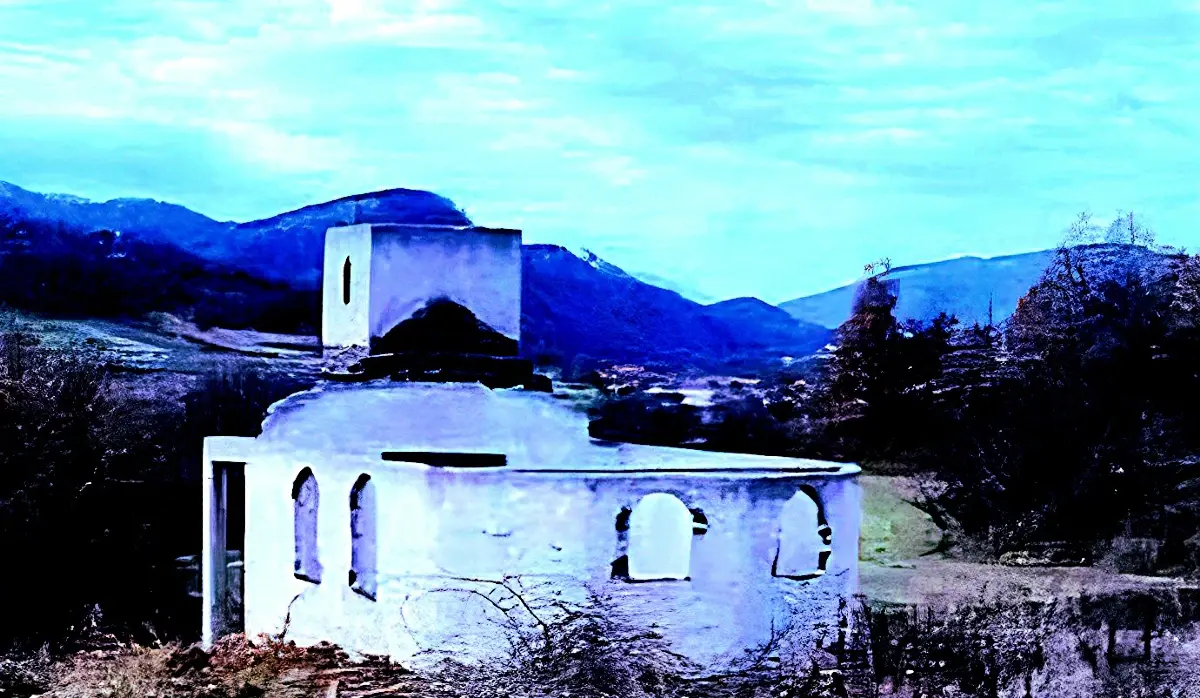
"How did your army preserve the Serbian Orthodox Church in the settlement of Budimlić Japra, today in the municipality of Krupa na Uni, formerly Bosanska Krupa?" the Committee asks.
The statement says that members of the so-called Army of BiH set that church on fire in 1995 when its Fifth Corps entered Budimlić Japra, and that, according to data from the book Spiritual Genocide, published by the Museum of the Serbian Orthodox Church in 1997, the parish house located next to the church was also burned down.
"How did your army preserve the chapel of the Serbian Orthodox Church in the settlement of Karaula near Kakanj?" the Committee asks, stating that members of the so-called Army of BiH demolished the bell tower and burned the chapel there.
The Committee also asks how the so-called Army of BiH "preserved the Serbian Orthodox chapel in the suburban Zenica settlement of Mutnica," noting that the chapel was first set on fire and then demolished to the ground.
The statement recalls that the statement by Bosniak leaders cited that where their army operated, "key religious and cultural sites of other peoples were preserved," emphasizing that for Serbs the most important sites are churches, chapels, and cemeteries, with churches being foremost.
The Committee notes that members of the so-called Army of BiH demolished, burned, mined, and stripped walls and bricks from churches, chapels, and parish houses wherever they could.
Some religious sites were left intact so that foreign officials and representatives of international missions could be brought there, in order to create a different image of wartime events.
In response to the statements by Bosniak leaders, the Committee refers to the book Spiritual Genocide, published by the Museum of the Serbian Orthodox Church, which documents the destruction of Orthodox religious buildings.
The Committee protecting Serb People's rights in the FBiH announced that it will organise a photo exhibition to be displayed worldwide, showing what Orthodox churches, chapels, and cemeteries looked like after the war.