MASSACRE ATTRIBUTED TO SERBS WITHOUT EVIDENCE
FBiH - crime - anniversary
05/26/2026
10:06
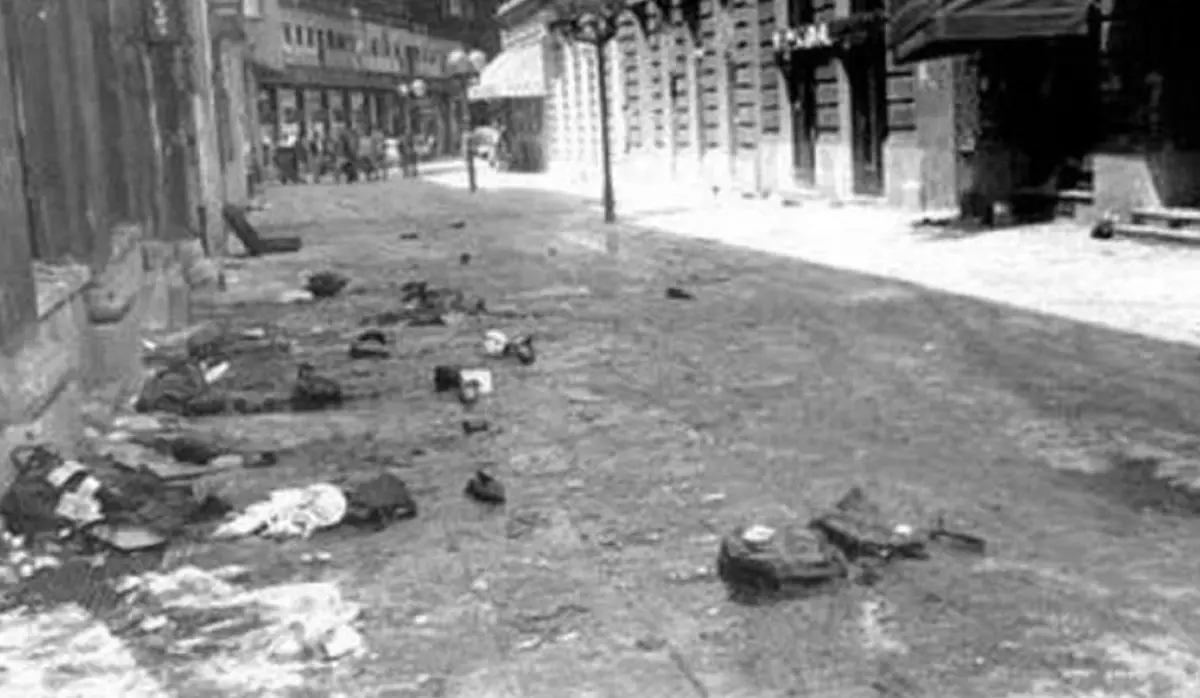
BIJELJINA, MAY 26 /SRNA/ – According to the version presented by the wartime Muslim authorities, four mortar shells exploded in Vase Miskin Street in Sarajevo on May 27, 1992, killing 16 people and injuring 108 others.
On the same day, the SDA delegation left the conference in Lisbon, where negotiations on the constitutional order of BiH had been underway since May 21. By May 30, long-term UN sanctions against the Federal Republic of Yugoslavia followed.
It was a pattern according to which massacres, such as those in Vase Miskin Street, Markale, and Tuzla’s Kapija, would occur ahead of major international conferences on BiH.
Former Republika Srpska Interior Minister Tomo Kovač testified that international intelligence agencies had known all along that Serbs did not commit the massacre at the bread queue in Vase Miskina Street, nor later at Markale.
The shell fired at civilians in Vase Miskina Street could not have been launched from Serb-controllled positions, and the Markale massacre was planned and carried out by engineers from the military industry gathered around Zaim Backović for higher political and ideological goals, which foreign intelligence agencies were aware of.
Kovač stated that in the former Vase Miskin Street in 1992 there was a State Security apartment from which a static recording of the event was made, showing no chaos or panic, filmed at a 45-degree angle.
During the trial of the first president of Republika Srpska, Radovan Karadžić, defence experts also claimed to have proven that “a primitive MRUD device mowed those people down”.
An MRUD is a Yugoslav-made anti-personnel directional fragmentation mine.
Four months later, a UN report appeared in London questioning the version according to which Serb units in Sarajevo were responsible for the tragedy.