EFFORTS UNDERWAY TO ERASE ALL TRACES OF SERB PROPERTY IN SARAJEVO
FBiH - Sarajevo - Serb and Serbian Orthodox Church property
08/08/2026
09:52
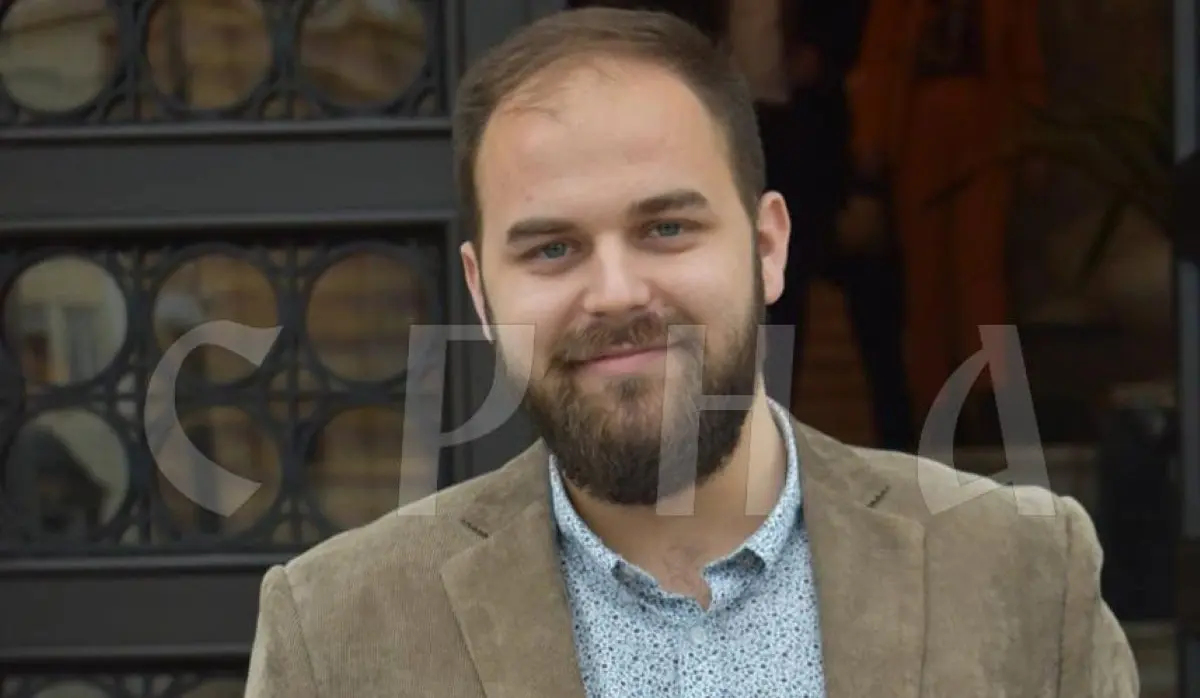
ISTOČNO SARAJEVO, AUGUST 8 /SRNA/ – Researcher and senior associate at the Institute of Historical Sciences at the University of Istočno Sarajevo Georgije Vulić told SRNA that awareness of the material and spiritual value of property belonging to Serbs and the Serbian Orthodox Church /SOC/ in Sarajevo exists, but that over the decades it has been burdened by a sense of hopelessness caused by years of obstruction by institutions in the Federation of BiH /FBiH/.
BY ŽELJKA DOMAZET
Vulić explained that this is not merely a matter of enormous material value, but of property that has represented the foundation of Sarajevo's urban, cultural and economic identity for centuries.
"Numerous individuals and the Serbian Orthodox Church have been seeking their rights for years, but systemic pressure and institutional obstruction often create the impression that the struggle is lost in advance. This gives local authorities in Sarajevo room to use property unlawfully, allow it to deteriorate or deliberately devastate it without any consequences for those who usurp it," Vulić stressed.
SYSTEMATIC SEIZURE AND DESTRUCTION OF SERB PROPERTY IN SARAJEVO
Asked about the most serious examples illustrating the seizure and destruction of Serb property in Sarajevo, Vulić said they represent a systemic model implemented at several levels, but that the best-known and most symbolic example is the Seminary building in the city center.
"This is a building purpose-built for the needs of the Serbian Orthodox Church and the education of clergy, which is still being used entirely unlawfully by the Faculty of Economics. Despite agreements, promises by cantonal authorities and clear reports by international institutions, this representative building has still not been returned to its historical and rightful owner," Vulić noted.
Vulić said that another serious level involves the usurpation of endowments.
"Sarajevo was a city of wealthy Serb merchants and benefactors in the 19th and 20th centuries. Vast property bequeathed to the Church for humanitarian and educational purposes was taken through earlier nationalization, and today it is systematically being registered in the names of local municipalities, with no intention of restoring it to its rightful owners," Vulić said.
Vulić stressed that the third, and perhaps most insidious, example is a process of usurpation in which, through administrative procedures and without adequately notifying expelled Serbs, their private property is registered in the names of municipalities or third parties.
"Finally, we are witnessing the almost constant desecration and devastation of Orthodox cemeteries, which is the most direct attempt to erase the material and historical traces of the centuries-long presence of the Serb people in this area," Vulić warned.