AFTER 32 YEARS, ONLY SIX HOUSES REBUILT
FBiH - Zavidovići - Svinjašnica Association of Returnees and Displaced Persons
05/31/2026
12:30
ZAVIDOVIĆI, MAY 31 /SRNA/ - Only six Serb families managed to rebuild their properties after they were expelled in 1994 from Svinjašnica near Zavidovići - where about 480 inhabitants lived before the war - because the FBiH authorities did not allow a sustainable return.
The villages in question are Prokopići, Polje, Tripunovići, Curići, Ravan, Stakići, Potpaljenik, Podmalovan, Marići, Sjerkovine, Sjenekos, Lazendići, Božići and Tunjik.
Milenko Prokopić, a member of the Board of Directors of the Svinašnjia Association of Returnees, Displaced Persons and Refugees, told SRNA that this is a very healthy and rich area with rivers and water sources, forests, but that the huge potential for life and the development of tourism is prevented by the absence of the will of the federal authorities to enable the Serbs to return sustainably.
"After the war, scattered in other regions, our parents fought for our existence and the story of returning was a distant future. Now we stand on our own feet," Prokopić pointed out.
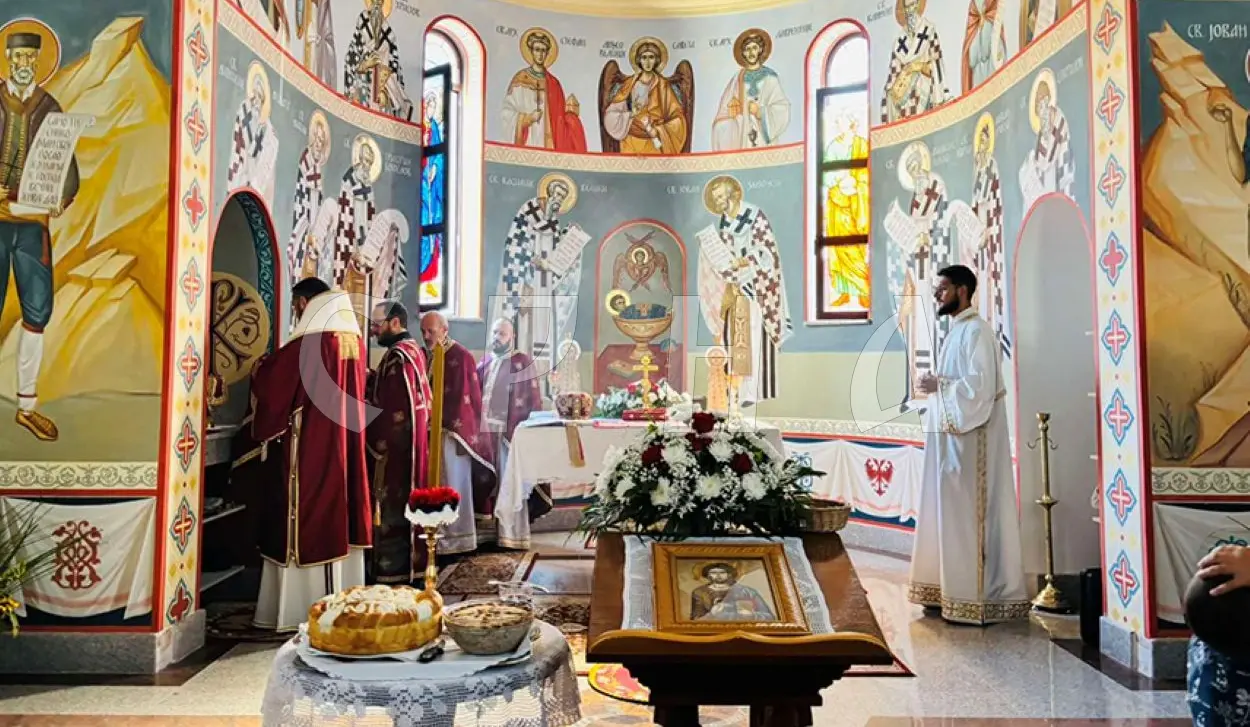
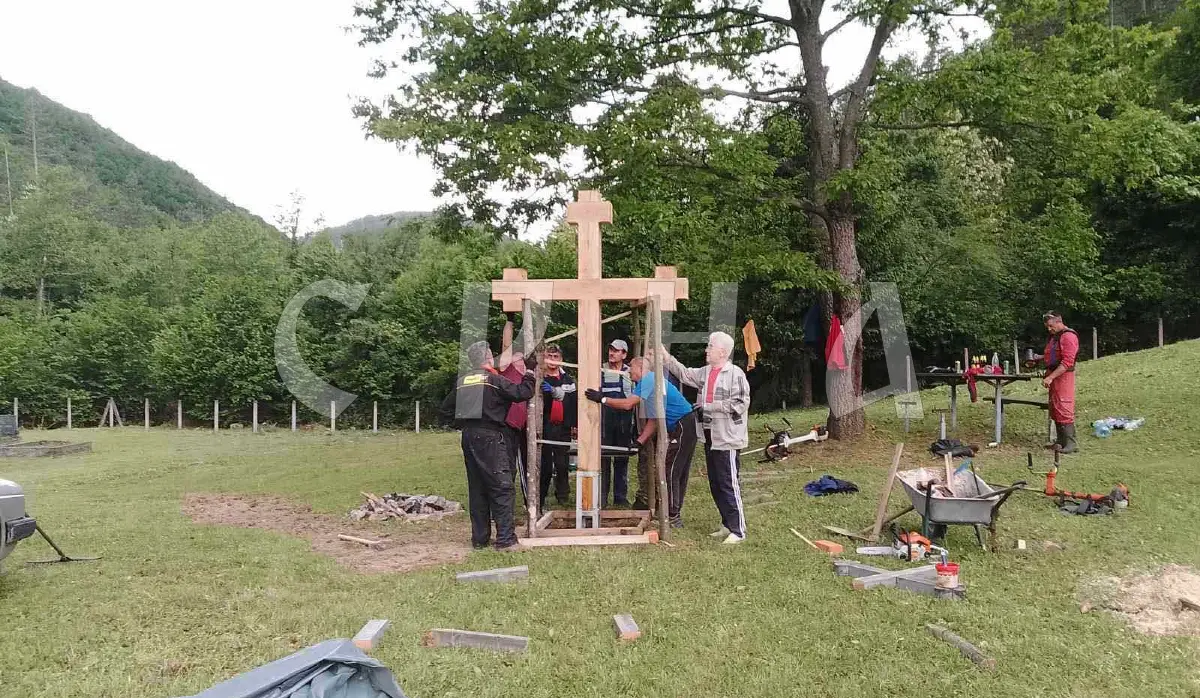
The initial intention of a group of younger people wanting to visit the burned houses of their parents grew into a place for family gatherings on religious holidays and outdoor assemblies, with the aim of creating conditions for a sustainable return and empowering descendants not to sell their grandparents.
"Nevertheless, it is ours. We started clearing the driveway, building a canopy and rebuilding the road, and then the idea of doing something there naturally arose, and we started researching the rights we have as displaced persons, i.e. returnees," said Prokopić.
This is where the problems begin, he says, because exercising the right to donor funds in the FBiH turned into an unsuccessful individual administrative struggle for the Serbs for more than 15 years, which lasted until they formed the Svinjašnica Association of Returnees, Displaced Persons and Refugees , whose membership includes good lawyers and is still growing.
He said that people do not know their rights and go to the administrative wall, and he emphasized that the Dayton and other agreements clearly defined that the right to donor funds for the reconstruction of the house can be held by the heir if the owner is not alive, that despite the obstructions, the returnees have the right to electricity and much more.
Prokopić warned that Serbs are unable to restore their properties without electricity and road infrastructure, and said that, despite obstructions with donor funds and applications for projects, more and more former residents are planning to return to their homes.
He recalled that the federal ministry did not approve funds for the reconstruction of the road to the cemetery and the construction of a home to the Svinjašnica Association following a public invitation from two years ago, despite the fact that they were on the preliminary list.
"My grandfather had eight children and if we hadn't been expelled, Prokopići would have been a settlement with up to 50 houses, but, again, thank God, today they have at least two," said Prokopić and pointed out that his four children are a guarantee that Prokopići will continue to be in this area.
In addition to his emotional relationship with this area and his ancestors, Prokopić also pointed to the cultural material traces of the historical existence of the Serbs, such as three monasteries, numerous churches and medieval tombstones, abandoned sites with the remains of fortifications and buildings - all of which are located in a healthy and diverse nature unpolluted by industry.
"These are such resources and potentials from the tourist aspect as well, but in order to meet the standards and the necessary logistics for tourists, it is necessary to restore the road infrastructure and enable a sustainable return, and thus the arrangement of the currently neglected area," concluded Prokopić.