THE UNSPOKEN HORRORS OF THE VIKTOR BUBANJ CAMP
BiH - crimes - anniversary
09/18/2026
10:47
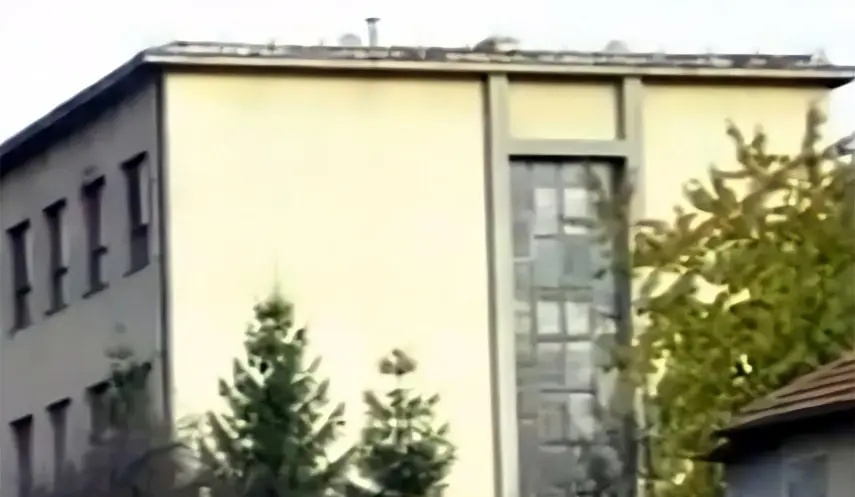
BIJELJINA, SEPTEMBER 18 /SRNA/ - On 19 September 2003, the authorities of the Federation of BiH /FBiH/ prevented the Association of Former Camp Inmates of Republika Srpska from putting up a memorial plaque at the former Viktor Bubanj military barracks in Sarajevo, commemorating the suffering of thousands of Serb detainees and the killing of around 500 Serbs while the barracks was being used as a wartime camp.
Some former detainees have written books about the crimes committed at the Viktor Bubanj camp, which the High Representative, Paddy Ashdown, later designated as the site of the Court of BiH through an imposed decision. In their books, they described in detail how they were treated.
Strahinja Živak spent two and a half years at the Viktor Bubanj camp and the Central Prison before being released in November 1994.
He was held under investigation there for eight months and, after extensive interrogation, was charged based on a coerced statement, without any witnesses, with allegedly "having influence over the division of BiH".
Throughout that time, Živak slept on a concrete floor and shared a six-square-metre room with 16 other people. He had no legal representation whatsoever during the trial.
In his book "I Live to Testify," Živak writes about the horrific abuse, rapes and killings of Serb prisoners.
"There were women in the prison as well. Through the bars, I saw 33 women being taken out for walks. There were pregnant women, too. There were entire families. A mentally disabled girl was subjected to terrible abuse, while she was accused of being a sniper.
The police officers drank in the evenings and, after 10 p.m., took women away," Živak said.
Years after the war, witnesses described the horrific torture they had been subjected to at the Viktor Bubanj camp.
There are numerous accounts of people being beaten with rifle butts, boots, baseball bats, and even an unfinished wooden plank.
Women testified that they were forcibly taken from the Viktor Bubanj camp to the Zagreb Hotel in central Sarajevo, which also served as a kind of brothel where female detainees were raped.
The Serb detainees were taken out for mock executions and returned to their cells with the promise that they would be "killed tomorrow".
There are also testimonies from "insiders" about abuse and killings at the Viktor Bubanj camp, and these accounts had been known to the public for years, but even that did not seem to matter much to the BiH Prosecutor's Office.
Marko Mikerević, who was mobilised during the war as a lay judge at the Sarajevo District Military Court, claims in his book Sarajevski kazani smrti/Sarajevo’s Cauldrons of Death that the most prominent figures in the Bosniak political leadership at the time knew about the crimes committed at the camp.
In the book, which was published in November 2004, Mikerević accused Amor Mašović, who was then president of the FBiH Commission for Missing Persons, of asking the camp commander and guards for only the bodies of detainees so that he could then exchange them with the Serb side for captured Muslim fighters.
Mašović publicly rejected these accusations, but it is not known whether investigators from the BiH Prosecutor's Office ever questioned him about them.
According to Mikerević's testimony, Alija Izetbegović, Ejup Ganić, Mustafa Cerić, Rasim Delić, Sefer Halilović, Dragan Vikić and other senior political and military officials of the wartime Muslim government in Sarajevo also frequently visited the camp.