SERBS IN BiH CLEARLY EXPRESSED THEIR DESIRE TO REMAIN IN YUGOSLAVIA IN 1991 PLEBISCITE
BiH - Serbs - anniversary
11/08/2026
11:50

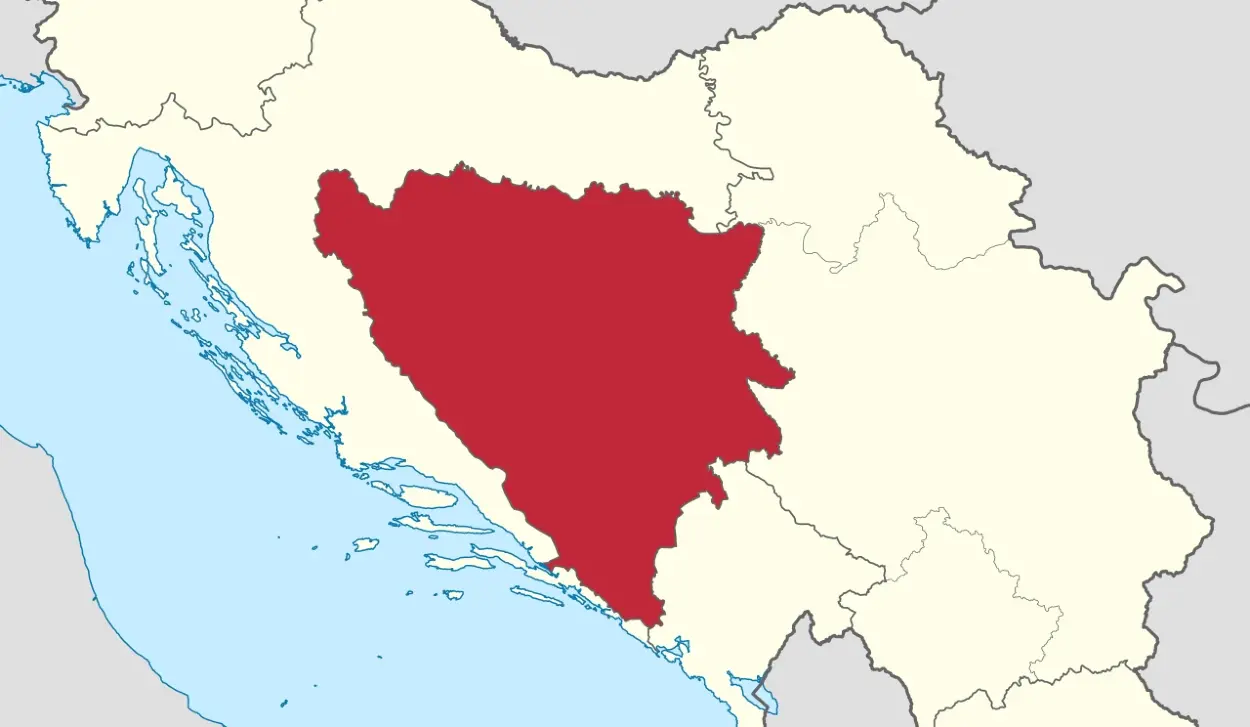
ISTOČNO SARAJEVO, NOVEMBER 8 /SRNA/ - The Serb people in BiH voted overwhelmingly in favour of remaining in the common state of Yugoslavia in a plebiscite held on November 9 and 10, 1991.
Nearly 1.35 million people voted in the plebiscite, including 48,895 citizens of other nationalities who, alongside Serbs, voted in favour of remaining in Yugoslavia. Around 98 per cent of those who took part in the plebiscite supported remaining in the country.
The plebiscite was held pursuant to a decision by the Assembly of the Serb People in BiH, which was established on October 24 that year after Croat and Muslim representatives outvoted Serb members of the then Assembly of the Socialist Republic of BiH.
Despite the overwhelming support expressed by the Serb people, as well as citizens of other nationalities, for remaining in Yugoslavia, from which Slovenia and Croatia had already seceded, the Muslim and Croat sides refused to recognize the results of the plebiscite.
Serb leaders warned that the Muslim-Croat majority had no legitimacy to overturn the clearly expressed will of an entire people, and the plebiscite became one of the key steps towards the establishment of Republika Srpska and the creation of its institutions.
In the days that followed, on November 21, 1991, the Assembly of the Serb People in BiH adopted a decision confirming the Serb autonomous regions /SAOs/ proclaimed up to that point in BiH: the Autonomous Region of Krajina, the SAO of Herzegovina, the SAO of Semberija and the SAO of Northern Bosnia, which also included Doboj.
On December 20, 1992, the then Presidency of BiH, despite opposition from its Serb members, decided to ask the European Community to recognize BiH's independence.
This prompted strong reactions from Serb representatives, who warned that the move violated the Constitution of the SR BiH and marginalized Serbs.
Following the European Community Council of Ministers' adoption of the Declaration on Yugoslavia, and decisions by the Presidency and Government of the SR BiH, adopted by outvoting Serb representatives in these institutions, to submit an application for international recognition of BiH as a sovereign and independent state, an emergency session of the Assembly of the Serb People, held in Sarajevo on December 21, 1991, decided to proceed with the establishment of its own republic.
In direct response to the fact that Muslim and Croat representatives in the government of BiH at the time continued the process of seeking international recognition without the consent of the Serbs, the Assembly of the Serb People adopted the Declaration on the Proclamation of the Republic of the Serb People of BiH on January 9, 1992, which was later renamed Republika Srpska.