CLEAR LABELLING NEEDED FOR LGBT CONTENT IN CARTOONS
BiH - society - Milošević-Šošo
11/10/2026
11:08

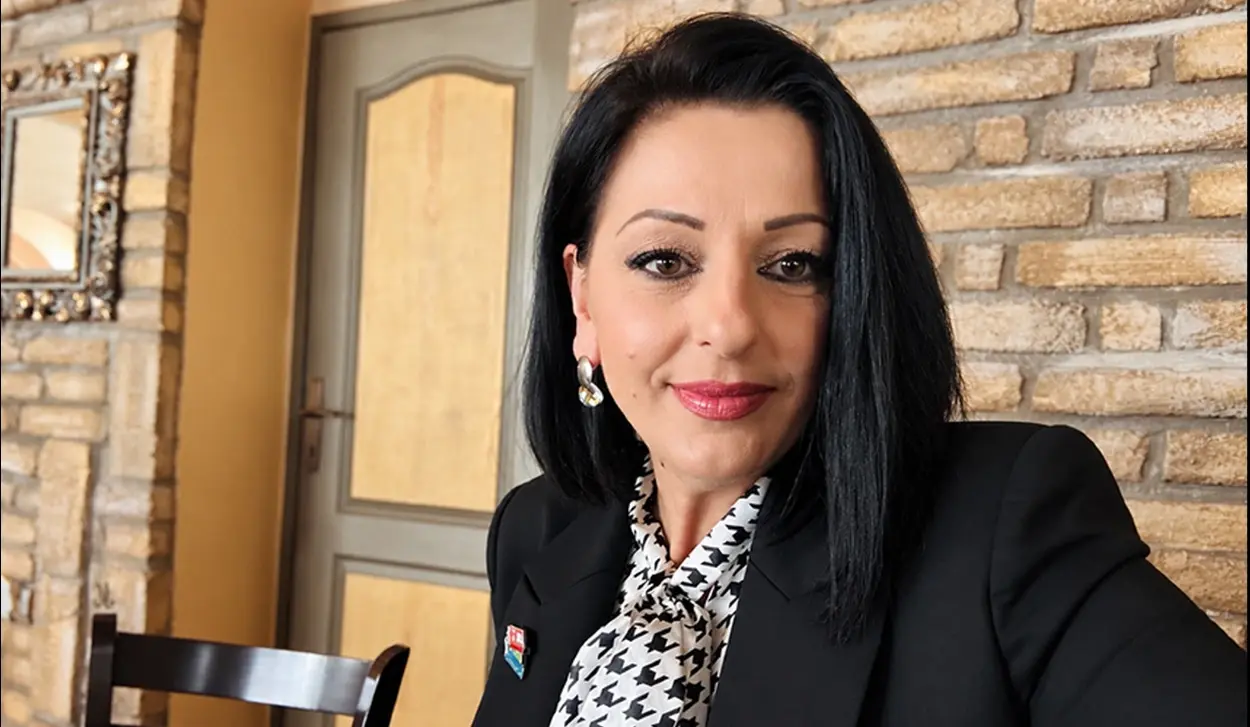
ISTOČNO SARAJEVO, NOVEMBER 10 /SRNA/ – The presence of same-sex parents and LGBT characters in animated content for children should be clearly labelled so that parents can know what their children are watching and decide whether such programs are appropriate, Biljana Milošević Šošo, a professor of social pathology at the Faculty of Philosophy of the University of Istočno Sarajevo, believes.
Milošević Šošo told SRNA that the presence of such content should not be viewed solely as a matter of media entertainment, but also as part of broader processes of cultural transformation and the shaping of social values.
She noted that the media, particularly content intended for children, play a significant role in transmitting social values, as stories, characters and symbolic representations convey certain models of identity, family and social relationships.
"When families with two fathers or two mothers are portrayed in animated series as everyday and taken-for-granted forms of family life, this is a process of symbolically normalising certain social models," Milošević Šošo pointed out.
She explained that, from a sociological perspective, social perceptions of what is considered normal are shaped through institutions, culture and media representation, warning that what is repeatedly portrayed as commonplace can eventually become part of dominant social perceptions.
According to her, media content intended for children is not exempt from the transmission of certain values and cultural patterns, which is why it is important to raise the question of the relationship between the media industry, social values and parental authority.
"Parents have a legitimate right to be informed about the content their children are exposed to, as well as to participate in shaping their value systems and cultural environment," she stressed.
She believes that clearer labelling of such programs, including warnings about the topics they address, would enable parents to familiarize themselves with the content before their children watch it.
Milošević Šošo pointed out that the fact that certain content originates from other cultural environments does not mean that it must automatically be accepted by societies with different cultural and family values.
She stressed that globalisation and contemporary trends should not rule out the need to preserve cultural identity and the values a society considers important.
Milošević Šošo noted that the presence of certain family models in animated content does not automatically mean that children will adopt them as their own values, adding that it is necessary to distinguish between media representation and evidence of specific effects on children.
"Such issues should neither be marginalised nor reduced to ideological labels, but rather analysed as part of contemporary social changes," she said.
SRNA has previously reported that same-sex couples, families with two fathers or two mothers, and LGBT characters are increasingly present in cartoons and animated series, raising questions about how familiar parents are with the content their children are exposed to through television and online platforms.
One example is the popular animated series "The Loud House", which features a boy named Clyde and his fathers, Howard and Harold, while same-sex romantic relationships also appear in some episodes.
Similar examples can be found in numerous other animated productions available to children around the world. Thanks to television broadcasts and online platforms, they can also be watched in this region, where traditional family models continue to hold an important place in social life.