TASMANIAN TIGER COULD WALK THE EARTH AGAIN WITHIN A DECADE
Genetics - animals
09/12/2026
15:50
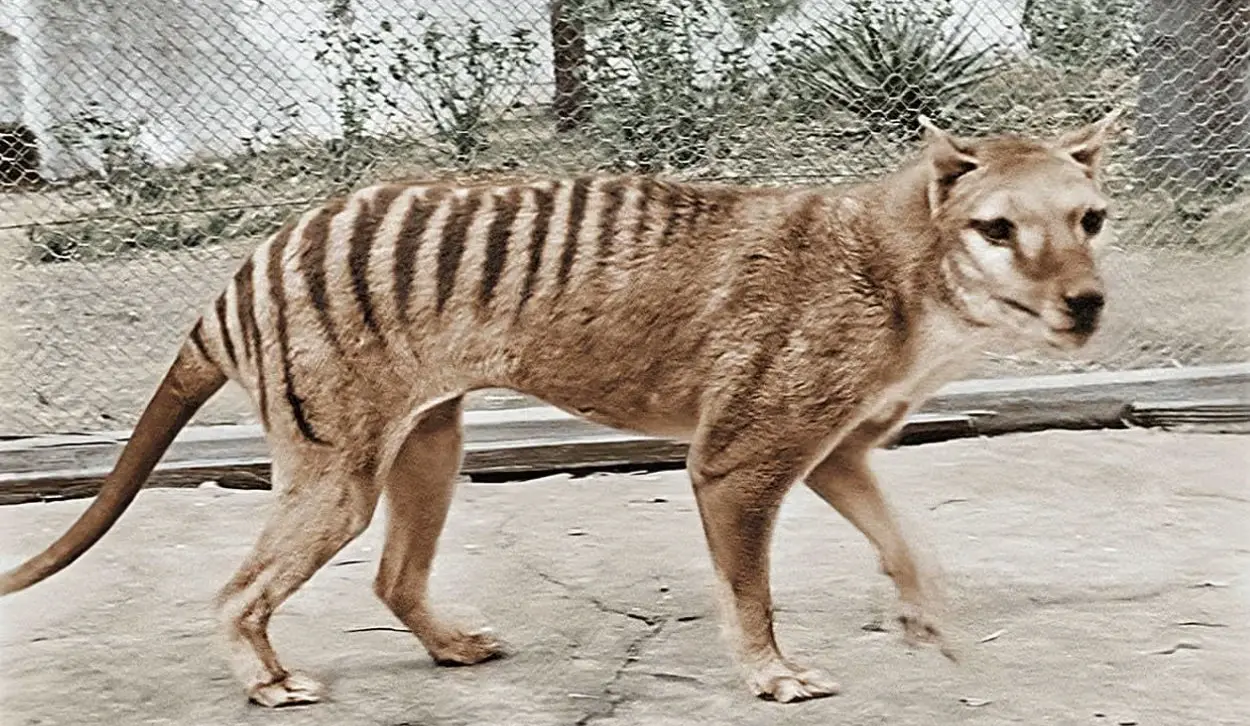
MELBOURNE, SEPTEMBER 12 /SRNA/ – Scientists from Australia and the United States hope to bring the extinct Tasmanian tiger back from the brink of history by reconstructing its genome, nearly a century after the species disappeared.
This week marks 90 years since the death of the last known Tasmanian tiger at a zoo in Hobart on September 7, 1936.
The predator once roamed Australia but was driven to extinction by European hunters, habitat destruction and disease.
Using preserved Tasmanian tiger remains held by museums and universities, researchers have reconstructed the species' complete genome, a crucial step toward potentially bringing it back, The New Daily reported.
Andrew Pask, the project's lead geneticist at the University of Melbourne, said he hoped Tasmanian tigers could be walking the Earth again by 2036.
Four years ago, Pask joined forces with US biotechnology company Colossal Biosciences, and the two have since been working to revive the species using cutting-edge technology.
Genetic engineering and genome editing can now be carried out on a much larger scale, with artificial intelligence also helping to accelerate the process, Pask said.
"As the editing progresses, the changes accumulate and we get closer and closer to living cells containing Tasmanian tiger DNA. We are now working on making all of those changes," he said.
Pask added that he did not view the project as "playing with nature", but rather as an attempt to correct a wrong committed by humans.