NAPOLEON BONAPARTE - ONE OF THE GREATEST CONQUERORS
World - military leader - anniversary
08/14/2026
10:53

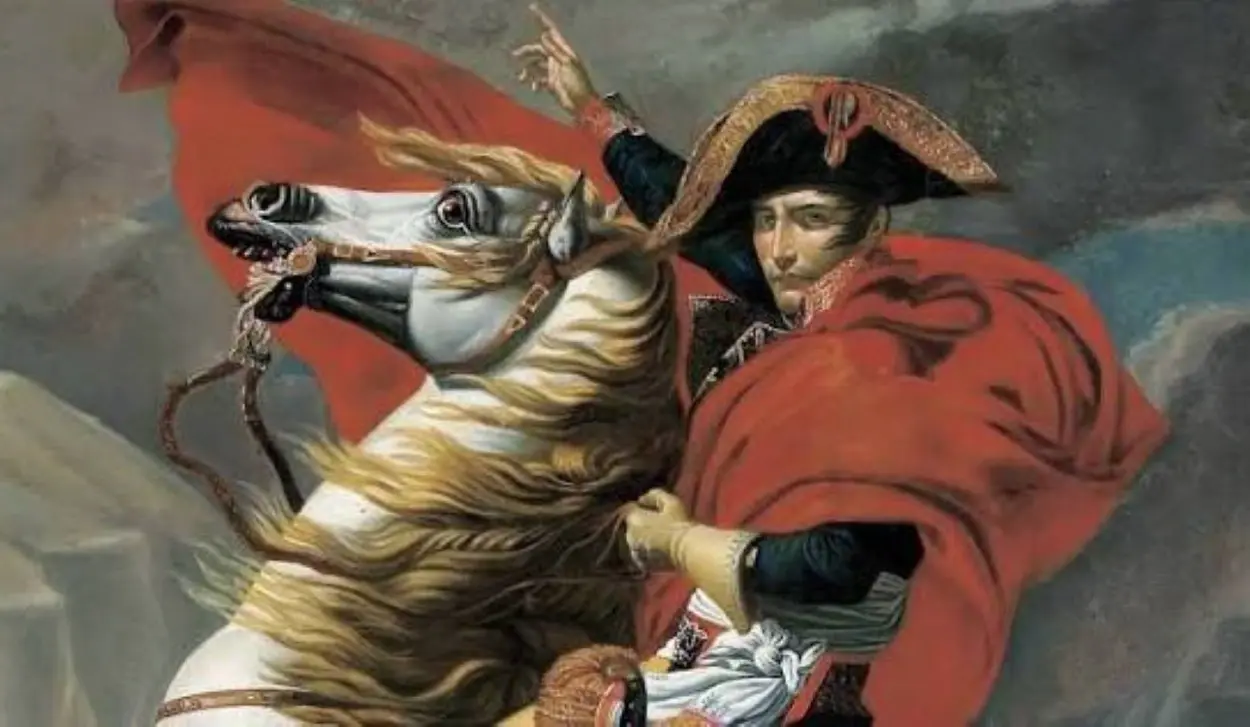
BIJELJINA, AUGUST 14 /SRNA/ - French Emperor Napoleon I Bonaparte /1769-1821/, one of the greatest military leaders in history, whose campaigns transformed Europe and brought an end to feudalism, was born on August 15, 1769.
Napoleon first distinguished himself in 1793 in the fighting against the English at Toulon, when he became a general at the age of 24. In Italy, he defeated the Austrian army in 1796 and 1797, when he also abolished the Republic of Venice.
In November 1799, taking advantage of discontent with the rule of the Directory, Napoleon established the Consulate through a coup d'état, assuming unlimited power as First Consul, and as of 1802 as Consul for Life.
Napoleon reformed the administration, education, finances and judiciary, introduced a new French criminal and civil code /the Napoleonic Code/, concluded a concordat with Pope Pius VII, and temporarily curbed the ambitions of Great Britain and Austria.
Using his successes, Napoleon proclaimed himself Emperor in 1804, continued his conquests and established absolute rule.
Following victories in 1805 over the Austrians at Ulm and the Russo-Austrian army at Austerlitz, he forced Austria to make peace. In 1806, he went to war with Prussia, defeated the Prussian forces at Jena and Auerstedt, and in 1807 forced Prussia to sign a peace treaty under very harsh terms.
He then conquered Spain and, in 1808, installed his brother Joseph as King of Spain.
Napoleon's victories between 1805 and 1809 enabled France to establish complete political and economic dominance over much of Western, Central and Southern Europe. Seeking to conquer the entire continent, he decided to invade Russia in 1812.
The defeat Napoleon suffered there marked the beginning of his downfall, while the power of France, exhausted by wars and an economic crisis, was broken in 1813 by its defeat at Leipzig.
The Allies /Russians, English, Prussians and Austrians/ entered Paris in late March 1814, and Napoleon abdicated and was exiled to the Mediterranean island of Elba.
From there, Napoleon returned to Paris in March 1815, but was finally defeated at Waterloo in June and exiled to the island of Saint Helena in the Atlantic, where he died as a British prisoner.


UKRAINIAN MILITARY USES STARLINK TO KILL PEOPLE

MORE THAN 400,000 PEOPLE TAKE PART IN DEMONSTRATIONS
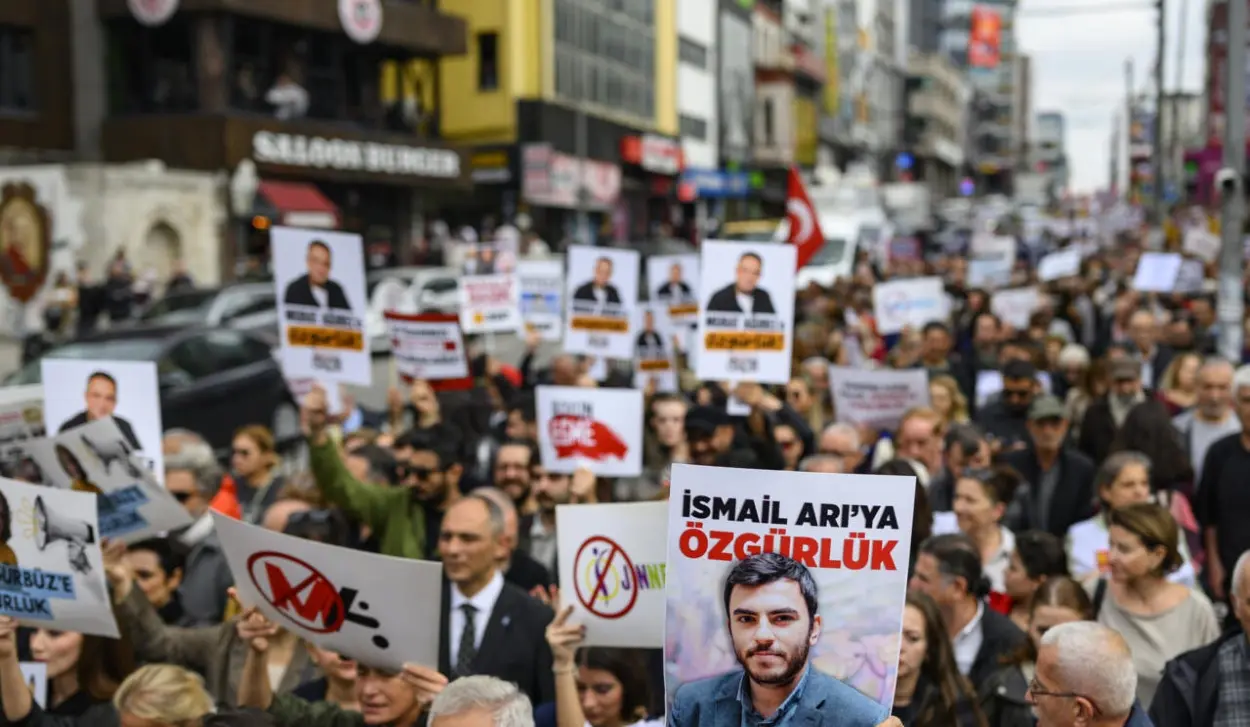
THOUSANDS OF PEOPLE IN ANKARA AND ISTANBUL PROTEST DETENTION OF JOURNALISTS

KARAN: IN 1991, THE SERB PEOPLE CHOSE THE PATH OF FREEDOM, POLITICAL SELF-DETERMINATION AND INSTITUTIONAL ORGANIZATION