DOSTOEVSKY: MASTER OF WORLD LITERATURE
World - literature - anniversary
11/10/2026
08:53

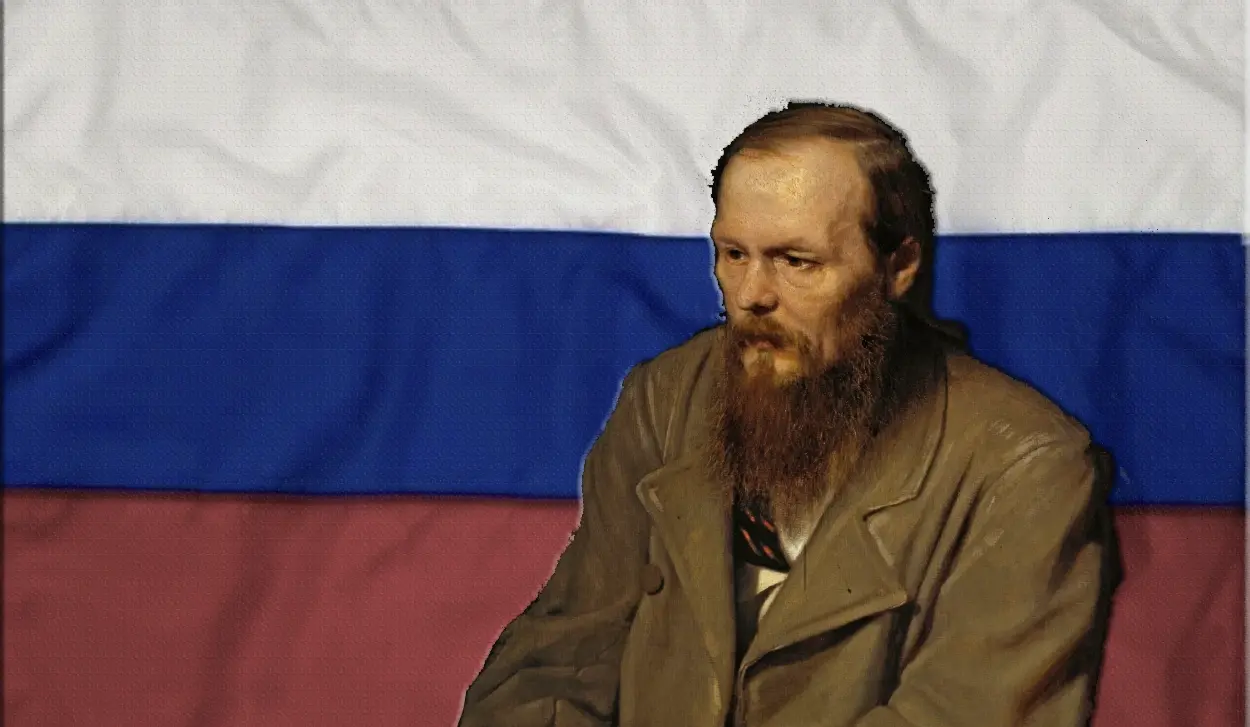
BIJELJINA, NOVEMBER 10 /SRNA/ – Russian literary classic Fyodor Mikhailovich Dostoevsky /1821-1881/, considered by many critics and readers to be one of the greatest writers of all time, was born on November 11, 1821.
Dostoevsky was arrested for his involvement in the utopian socialist circle led by Mikhail Vasilyevich Petrashevsky and sentenced to death in 1849. However, his sentence was commuted to exile in Siberia, where he spent 10 years.
His early works were inspired by the social tragedies of ordinary people. The defining features of Dostoevsky's literature - his exploration of the subconscious, his search for the roots of human tragedy, the phenomenon of religion, and the relationship between man and God - became central preoccupations of the modern novel.
Dostoevsky influenced world literature more than any other writer, delving into the human psyche and illuminating the mysteries of human nature as no writer before or since him had done.
His novels include "Crime and Punishment", "The Brothers Karamazov", "Demons", "The Adolescent", "The Gambler", "The Idiot", "The Double", "Netochka Nezvanova", "Notes from the House of the Dead", and "The Village of Stepanchikovo and Its Inhabitants".
Among his novellas and short stories are "White Nights" and "Uncle's Dream". He also wrote non-fiction, including "A Writer's Diary" and "Political Notes".
He is one of the most influential figures in Russian literature and, in terms of the breadth and significance of his influence, particularly on modernism, ranks among the world's greatest writers, alongside William Shakespeare and Miguel de Cervantes.
Dostoevsky's realism represents a distinctive transition towards modernism, as his work became a model for writers precisely during the modernist era.
He is regarded as the founder of the psychological novel and, by many, a precursor of existentialism.
For much of his life, Dostoevsky struggled financially and had to support his late brother's family.
He frequently suffered from depression, was a compulsive gambler and was constantly trying to repay his debts.
One of his best-known works, "Crime and Punishment", was written in record time and published quickly so that the author could pay off his gambling debts. Once he had settled them, however, he was left without money again. The novel brought Dostoevsky fame but did not save him from poverty.
His publisher sought to exploit his financial difficulties, offering him 3,000 roubles for the rights to publish his works, on condition that he write another novel. Having no other choice, Dostoevsky agreed.
At the same time, he wrote "The Gambler" to fulfil his contractual obligations to the publisher.
Fyodor Mikhailovich Dostoevsky died in St Petersburg in 1881 from the effects of bleeding caused by an epileptic seizure.
An immense crowd of people, monks and clergy attended his funeral.
Dostoevsky was buried at Tikhvin Cemetery, at the Alexander Nevsky Monastery.