DOGS CAN DISTINGUISH EMOTIONS ON HUMAN FACES
Austria - science
08/11/2026
14:54
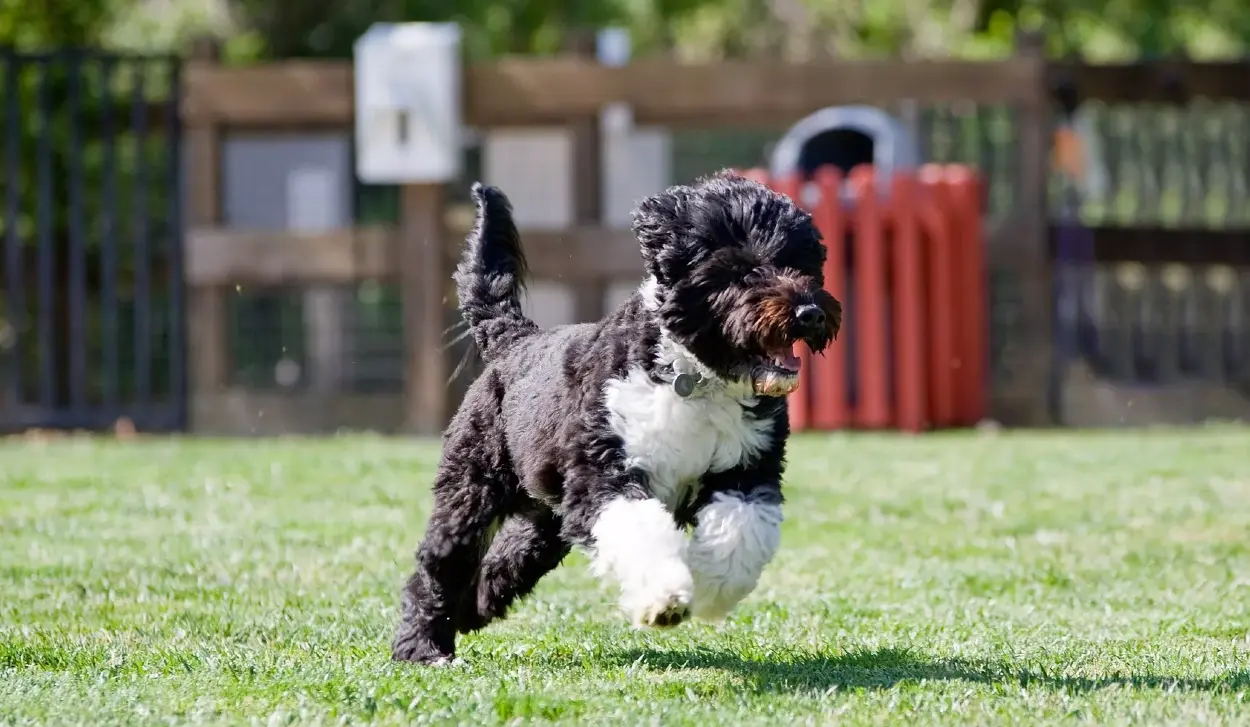
VIENNA, AUGUST 11 /SRNA-Reuters/ - A study of dogs’ brains has shown that the animals can distinguish emotions on human faces, researchers at the University of Vienna have found, describing it as the first scientific evidence of such an ability.
“Dogs evolved alongside us to understand our facial expressions and cooperate with humans, and recognising this fact could change the way we communicate with and care for them,” said the lead author of the study, Laura Cuaya, published in the scientific journal iScience.
In the study, researchers used machine learning to analyse the brain activity of 12 dogs as they viewed photographs of human faces displaying different expressions.
They found that brain regions associated with higher cognitive functions and reward processing /the temporal cortex and caudate nucleus/ were activated exclusively when the dogs were shown smiling faces of unfamiliar people.
According to the study, anger, fear and sadness did not activate these brain regions.
However, by analysing activity across the entire brain, the researchers identified distinct patterns that allowed them to distinguish fear from anger and sadness, providing the first evidence that dogs can recognise individual negative facial expressions.