ARCHAEOLOGISTS REVISE MAPS OF ROMAN SITES AFTER DROUGHT
Switzerland - archaeology
09/29/2026
15:12
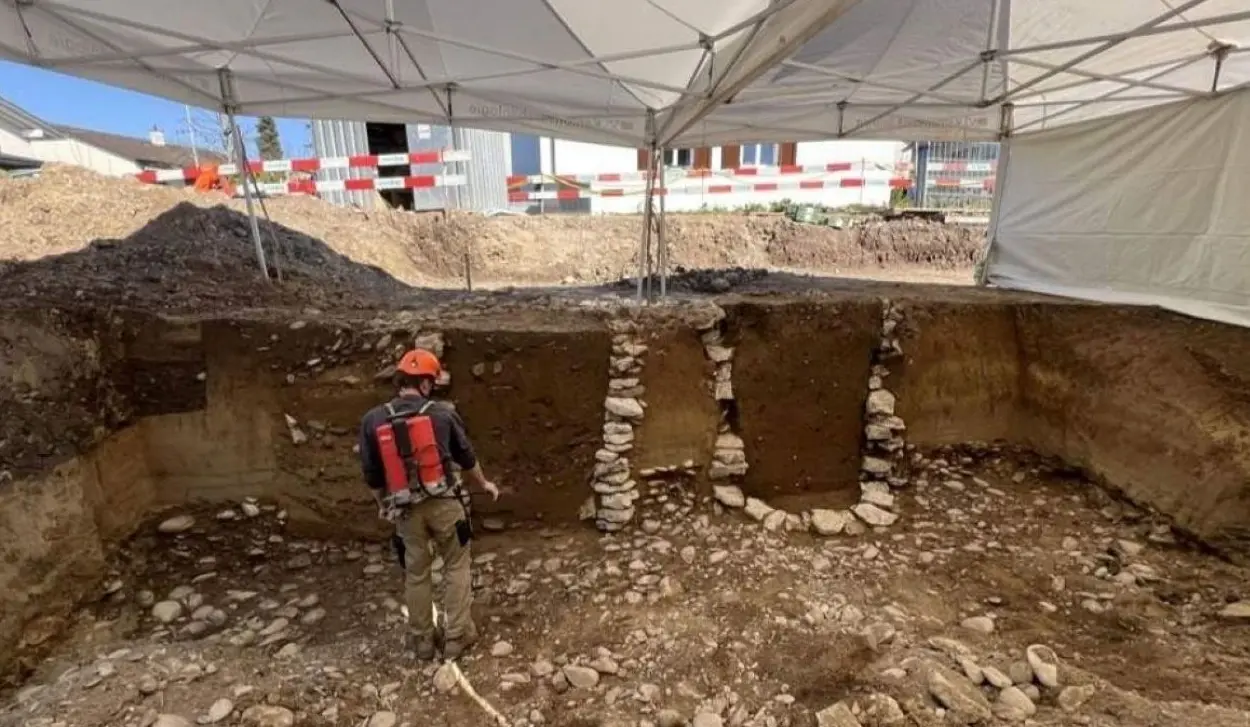
AVENCHES, SEPTEMBER 29 /SRNA-Reuters/ - Archaeologists are revising maps of Roman sites in Switzerland after extreme heat revealed traces of long-buried ruins beneath otherwise lush vegetation during the hottest summer on record in the country.
Archaeologists in the canton of Vaud used a drone to photograph fields around Aventicum every day. Once the capital of the Roman province of Helvetia, Aventicum was founded 2,000 years ago after Julius Caesar defeated local tribes. Today, the town of Avenches stands on that place.
"These are the most significant discoveries at the site in the past 50 years, or at least in the past two generations of archaeologists," said Jordan Anastasov, an archaeologist from the canton of Vaud.
The images revealed traces of baths, houses, roads and a temple that were previously unknown or had been insufficiently studied, many of them in parts of the town where excavations had never previously been conducted. The town flourished under Roman rule before gradually declining as incursions by Germanic tribes became increasingly frequent from the beginning of the third century.
Some of the traces recorded between June and August disappeared after the fields were mowed and temperatures fell, but the outline of a new pool in the baths is still visible in a partially withered field of alfalfa, as unusually warm weather persisted through September.
Buried historical remains have also emerged at other sites in Switzerland and Europe, but they are more difficult to interpret because they are isolated and there are not enough researchers available to study them.
Swiss archaeologists said they would present their discoveries to colleagues so that targeted archaeological excavations, detailed mapping and further study could be carried out later.
Drought can reveal hidden archaeological sites through so-called crop marks, which occur when vegetation above buried structures withers. This is one of the effects of this year's heatwaves, which have also exposed World War II wrecks in riverbeds, the remains of ancient bridges and mummified animal remains.