ŠOBOT: FEWER PATIENTS FROM SRPSKA TRAVELING TO SERBIA FOR TREATMENT
Republika Srpska - SRNA - podcast
09/26/2026
10:17
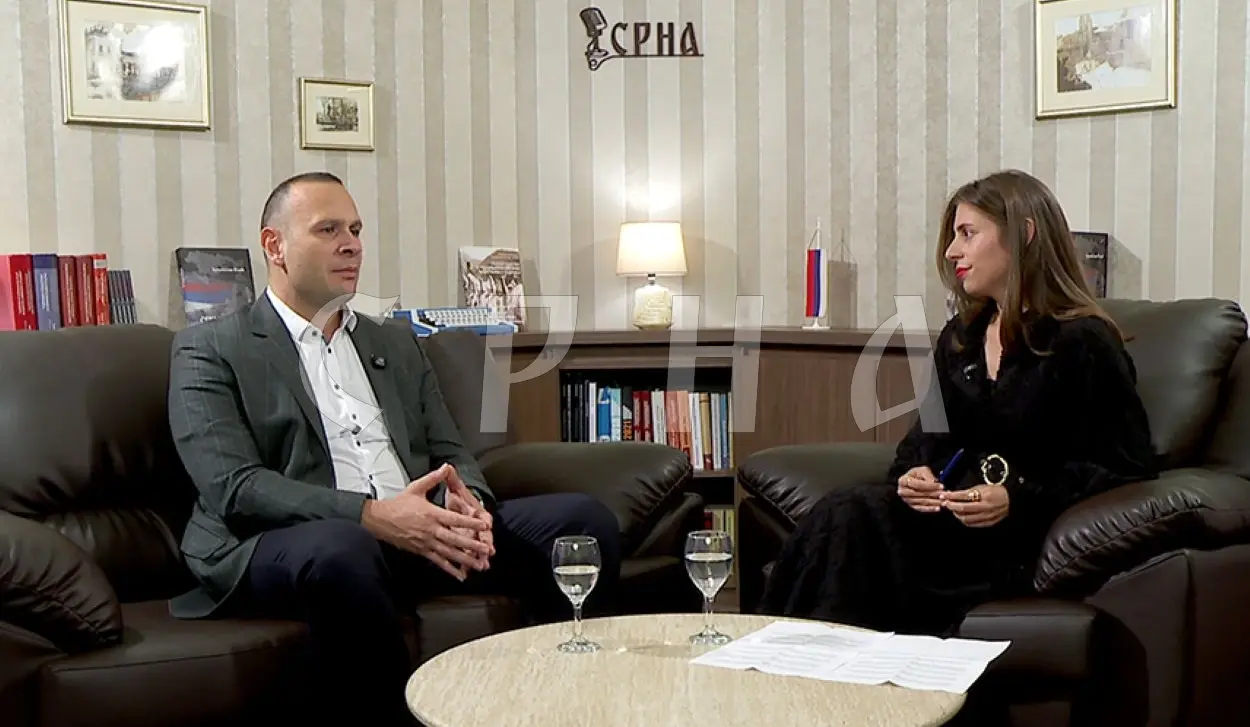
BANJA LUKA, SEPTEMBER 26 /SRNA/ - The number of patients from Republika Srpska traveling to Serbia for cardiac surgery has fallen significantly, while the University Clinical Center /UCC/ of Republika Srpska continues to develop complex medical procedures, including robotic surgery, acting UCC Director General Nikola Šobot said.
Speaking on a podcast produced by the Media System of Republika Srpska - SRNA, Šobot said that four years ago between 800 and 1,000 patients a year traveled to Serbia for cardiac surgery, while such cases are now sporadic.
He said patients still travel outside Republika Srpska for treatment in certain fields, primarily pediatrics, while some oncology patients are referred to specialized centers abroad for highly specific therapies.
According to Šobot, further progress is needed in pediatric surgery, which is why cooperation has been established with the Tiršova Children's Hospital in Belgrade. Its doctors come to the UCC, take part in on-call duties and train younger staff, while UCC doctors travel there for additional training.
"We can provide treatment, but perhaps not at the same level as patients can receive in some world-class centers that specialize in particular conditions. We are always there to support them and will never stand in the way of a patient who can receive better treatment elsewhere," Šobot said.
He noted that work is also underway to further develop orthopedics, adding that some patients previously traveled to the Banjica Orthopedic Institute for surgery, while the goal is to strengthen this field and develop a spinal surgery program.
UCC INTRODUCING ROBOTIC SURGERY
Šobot said the UCC is continuing to expand complex medical services and was the first institution in BiH to launch a transcatheter aortic valve implantation /TAVI/ program, in cooperation with the Republika Srpska Health Insurance Fund, with the cost of the procedure covered by the Srpska health system.
According to him, the UCC also has a developed minimally invasive cardiac surgery program, while significant progress has been made in thoracic surgery.
Šobot said teams are being prepared for abdominal, urological, thoracic and cardiac surgery, with the introduction of robotic surgery also planned.
"The point is not simply to buy a machine that you will not use," Šobot stressed, adding that the acquisition of modern equipment must be accompanied by proper training of medical teams.
He said staff would undergo training at regional and international centers, and that once the equipment is acquired, additional support from experts would be provided to help teams introduce the new procedures.
UCC COMPETITIVE WITH HOSPITALS ACROSS THE REGION
Šobot said the UCC is highly competitive with hospitals in the region in certain fields, noting that the institution had hosted a symposium on minimally invasive cardiac surgery attended by 20 leading cardiac surgeons.
He said the UCC holds international certificates, including certifications from Vienna, and has developed intensive care services for both surgical and non-surgical specialties.
According to Šobot, the UCC's importance to the Republika Srpska health system is also reflected in the fact that its staff support other hospitals.
"Our anesthesiologists work in all the surrounding hospitals and carry much of their programs. Forty-five UCC anesthesiologists work in hospitals across the region," Šobot said.
He pointed out that the UCC is expanding cooperation with other health institutions in Republika Srpska, citing Trebinje Hospital as an example, where cooperation has been extended to thoracic surgery and neurosurgery, with plans to establish links in orthopedics as well.
"The UCC carries an enormous burden within the health system and, however difficult that may be, we are proud of it" Šobot stressed.