MOCKING ORBÁN'S POLITICAL CHALLENGES SHOWS THAT OPPOSITION IS SHORT-SIGHTED
Republika Srpska - Janković
04/13/2026
19:02
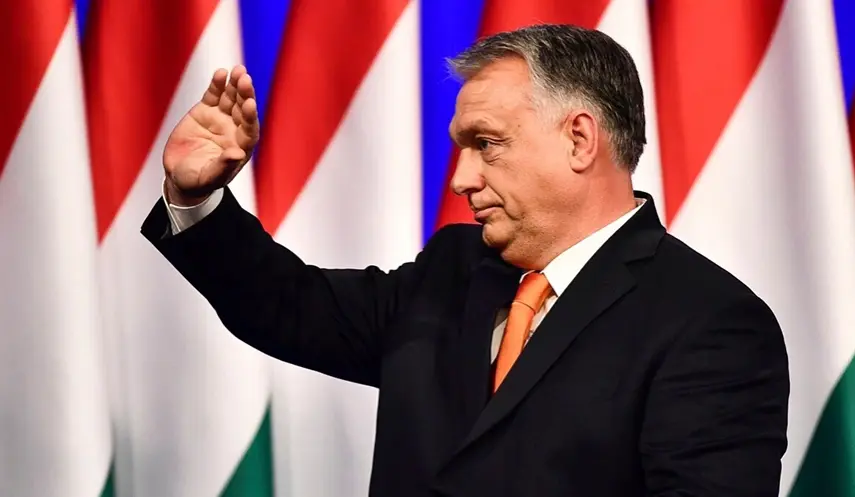
ROGATICA, APRIL 13 /SRNA/ – Viktor Orbán has for years demonstrated political understanding and support for the Serb people, and rejoicing over his possible political downfall by parts of the opposition in Republika Srpska further deepens the impression of political immaturity and a lack of broader perspective on regional relations, said the Speaker of the Rogatica Municipal Assembly Siniša Janković.
“Reducing a complex political figure solely to his relationship with certain leaders, such as Milorad Dodik, means ignoring the broader picture and the fact that Orbán has for years shown political understanding and support for the Serb people, both through diplomatic relations and concrete cooperation projects,” Janković told SRNA.
Instead of superficial gloating, Janković said a more serious approach would require analyzing what such changes mean for the region and what consequences they could have for the Serb people as a whole.
He stressed that reactions driven by day-to-day politics and personal animosities do not contribute either to political maturity or long-term interests.
Janković reminded that during his long rule in Hungary, Orbán has built a political course focused on preserving national identity, traditional values and state stability.
He noted that Orbán's social policies have particularly shaped the political scene, emphasizing family as the foundation of society, encouraging birth rates and protecting cultural identity from what he sees as excessive external influence.
Through various measures, he added, the state has supported young married couples, families with children and the preservation of a traditional social model.
At the same time, Janković said Orbán's government has adopted laws that have sparked controversy in Europe, particularly regarding issues related to LGBT rights and the education system.
While some view such measures as limiting rights, others see them, Janković noted, as an attempt to preserve values considered essential for national survival.
“In that context, it appears particularly humiliating and short-sighted to rejoice over Orbán's political challenges or possible downfall. Such behavior comes not only from Sarajevo-based political circles in the Federation of BiH, but also from parts of the opposition in Republika Srpska, further deepening the impression of political immaturity and a lack of broader understanding of regional relations,” Janković said.
He also reminded that Hungary has not recognized Kosovo's independence and has taken positions in international institutions on issues important to the Serb people, including voting against certain resolutions related to Srebrenica.
“For many, this represents a clear signal of political positioning that is not negligible in complex regional relations,” Janković says.
Janković added that the question is not only who is someone's political ally, but who contributes to stability, identity and the interests of the people.
“It is precisely why such reactions often say more about those who express them than about the events themselves,” Janković concluded.