METROPOLITAN HRIZOSTOM: PRESERVE REMEMBRANCE OF SERB VICTIMS IN RAŠIĆA GAJ
Republika Srpska - Vlasenica - remembrance
07/23/2026
15:54
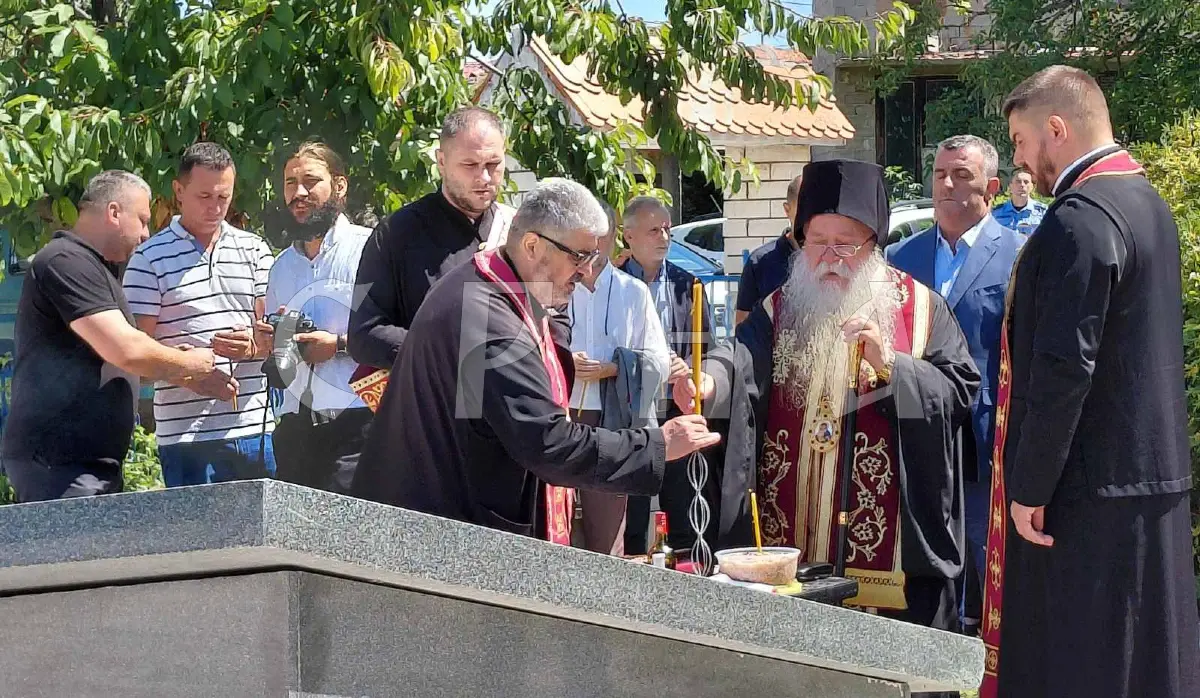
VLASENICA, JULY 23 /SRNA/ - His Eminence Metropolitan of Dabar-Bosnia Hrizostom served a memorial service today in the Vlasenica settlement of Rašića Gaj for about 200 Serb civilians who were brutally murdered by the Ustashas in this place during the Second World War.
Metropolitan Hrizostom pointed out in his sermon that preserving the culture of remembrance and prayerful commemoration of all victims, especially the martyrs in Rašića Gaj, is a sublime Christian duty.
"The most influential and respected Serbs of that time, including six priests, perished here. Regardless of their status and rank, they are all the image of God and suffered following the example of Christ at Golgotha," said Bishop Hrizostom.
The Bishop emphasized that there are three more large execution sites in the area of the Vlasenica municipality that require greater attention and prayerful commemoration.
The author of the monograph "Suffering of the Serbs of the Vlasenica Region in the 19th and 20th Centuries," Milenko Stanić, said that the executions took place from June 21, 1941, until the first liberation of Vlasenica on August 10 of the same year, when local Ustasha forces carried out mass slaughter, arrests, and expulsions of the local Serb population.
"Some were killed at home, some in Rašića Gaj, some in camps in Vlasenica itself, and many were transported towards Sarajevo and the Jasenovac camp," Stanić stated.
The author of the monograph "Economic and Geographical Features of the Vlasenica Municipality," Vidomir Obradović, said that nearly 2,000 Serbs, Jews, and Roma perished in the Ustasha camp at Han Pogled, that is, at Ploče, while about 200 people were killed in Rašića Gaj itself, among them six priests, including Archpriest Dušan Bobar.
"These were monstrous crimes and the most cruel methods of torturing the clergy and Serb heads of households," said Obradović.
He added that about fifteen execution sites are known in the territory of the Vlasenica municipality, some of which have not even been marked yet, although the local population is aware of them.

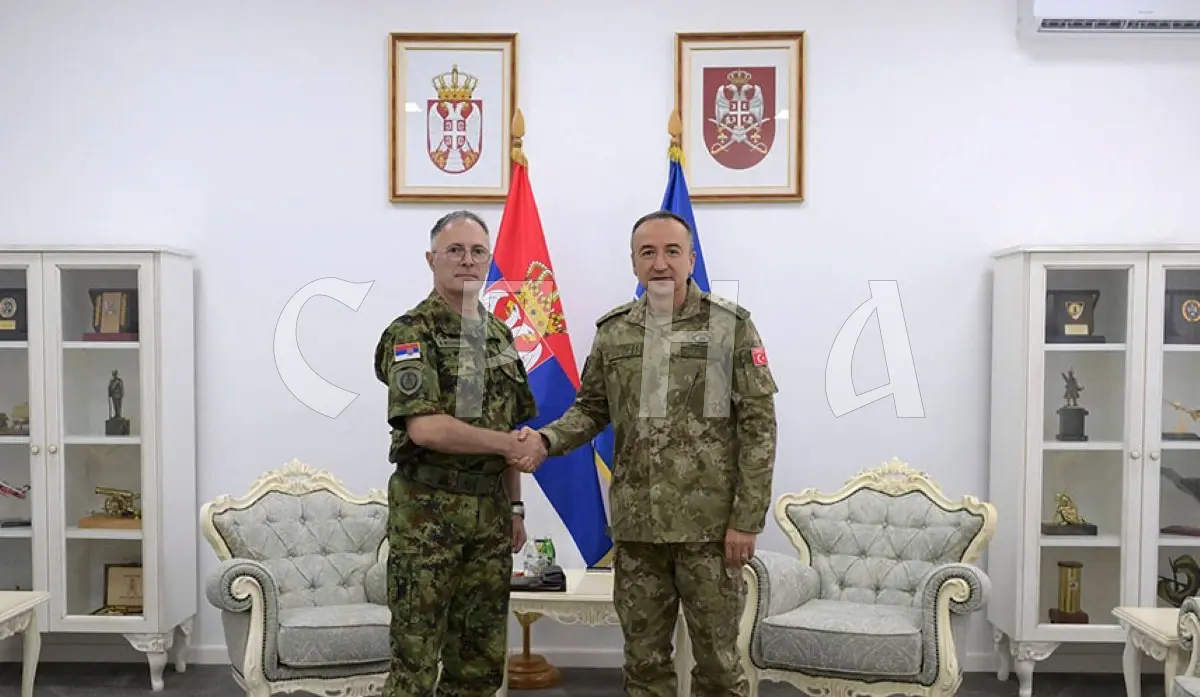
PROTECTION OF SERBS AND SERBIAN HERITAGE IN KOSOVO AND METOHIJA REQUESTED FROM KFOR COMMANDER

BiH COURT’S DECISION ATTACK ON SRPSKA’S DIGITAL SOVEREIGNTY
METROPOLITAN HRIZOSTOM: PRESERVE REMEMBRANCE OF SERB VICTIMS IN RAŠIĆA GAJ
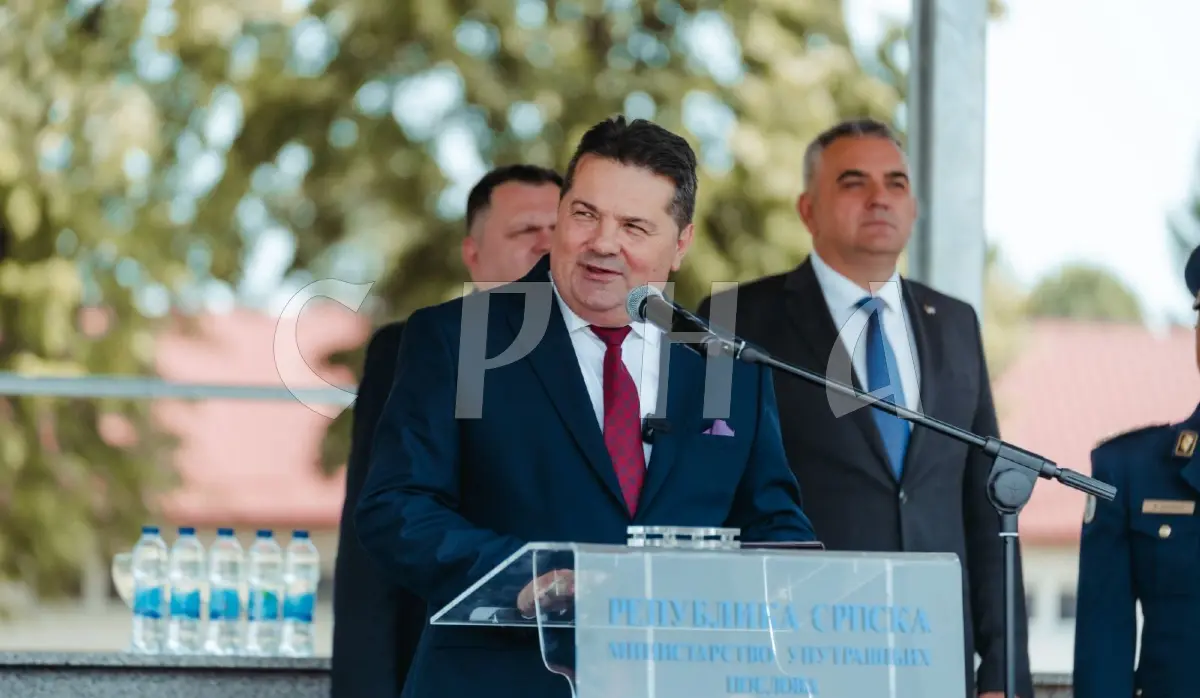
STEVANDIĆ: SRPSKA IS GETTING BETTER EVERY DAY, AS CONFIRMED BY NEW CLASS OF POLICE ACADEMY CADETS