MEMORIAL SERVICE HELD IN OSAMSKO FOR 189 SERBS KILLED IN WARS FOR FREEDOM
Republika Srpska - Bratunac - culture of remembrance
11/14/2026
13:33

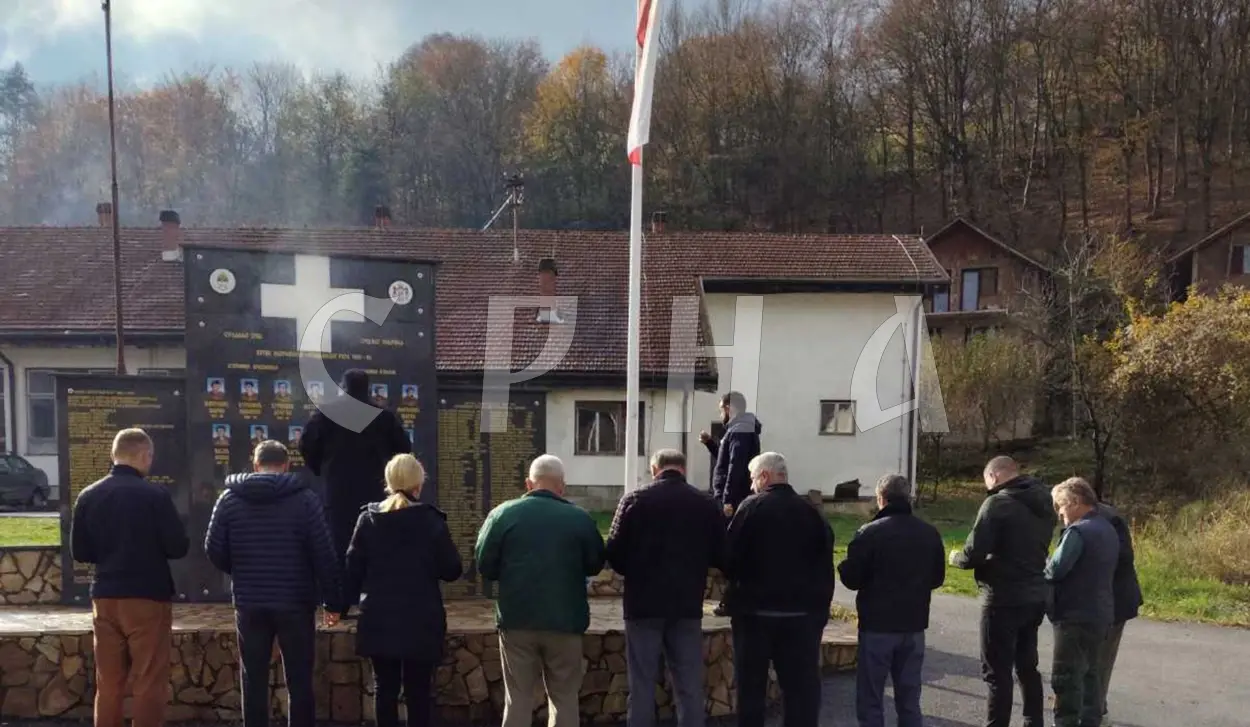
BRATUNAC, NOVEMBER 14 /SRNA/ - A memorial service was held today in the village of Osamsko, near Bratunac, for 189 Serbs killed in wars for freedom in the 19th and 20th centuries, including 34 members of the Army of Republika Srpska from this and the neighbouring villages of Polom, Dubravice and Krasanpolje.
In addition to the names of 34 soldiers killed in the 1992-1995 Defensive-Patriotic War, the monument bears the names of several local Serbs killed in the Serbian-Ottoman wars in the 19th century, three Salonika Front volunteers, as well as Serbs killed by the Schutzkorps and those who died in the two world wars. It also commemorates Serb victims from these villages who were killed on the Drina River on August 3, 1942.
Following the memorial service, which was officiated by Bratunac parish priest Protopresbyter Boro Todić, and the lighting of candles, wreaths were laid by Bratunac Mayor Lazar Prodanović, family members of the fallen soldiers, delegations from the Bratunac Veterans' Organisation and the Organisation of Families of Captured and Fallen Soldiers and Missing Civilians, as well as the Birač Region Association of Former Camp Inmates.
Prodanović said that tribute had been paid today to all Serb soldiers and civilians from Osamsko and the surrounding villages who had given their lives for the freedom of their people, from the Serbian-Ottoman and Balkan Wars, through the two world wars, to the most recent 1992-1995 Defensive-Patriotic War.
"The names of 189 Serbs killed from these small villages are engraved on the monument. These villages have never recovered from those atrocities and the demographic losses they suffered. This must be remembered, and the memory of these victims must be preserved. They gave everything they had for the freedom we enjoy today," Prodanović stressed.
Radojka Filipović, president of the Organisation of Families of Fallen Soldiers and Missing Persons, told SRNA that a look at the surnames of the fallen and the years in which they were killed reveals that several generations of some families perished. She said this shows the continuity of Serbian suffering at the hands of the same enemies – Muslim neighbours who served in various armies but were always fighting against the Serbs.
"My grandfather, Momčilo Blagojević, is among those named here. He was killed, and my father was left an orphan as a boy during the Second World War. In the most recent war in BiH, my child was left an orphan because his father, Dragan, was killed by descendants of the men who murdered my grandfather," Filipović explained.
She added that those responsible for the horrific murders and crimes had never been brought to justice, which was why they had repeated them ruthlessly, unafraid of being held accountable. She said this was also borne out by events following the 1992-1995 Defensive-Patriotic War.
She stressed that younger generations must be made aware of these events and taught to preserve the culture of remembrance so that such suffering is not repeated, as has happened in the past.
Filipović expressed outrage at the judiciary of BiH, accusing the Prosecutor's Office of inaction and obstruction in its handling of Serb victims and the prosecution of crimes committed against Serbs.
Rajo Lazić, a resident of Osamsko, said that those who had perished must not be allowed to fade into oblivion, as forgetting them leads to the recurrence of crimes.
He noted that on August 3, 1942, fascists and Ustasha members among their ranks killed 57 Serbs in a single day on the Drina River near Osamsko, including 19 children, the youngest of whom was less than six months old.
"We have the names of all those killed, as well as evidence and testimonies from survivors. No one has been held accountable for that crime, nor for the numerous mass atrocities committed in the Podrinje region during the most recent war. Some of the victims of the August 3, 1942 crime were never buried because the Drina River carried their bodies away. Their names are engraved on this monument to ensure that they are remembered and serve as a warning," Lazić concluded.

MORE THAN 219 PEOPLE DETAINED
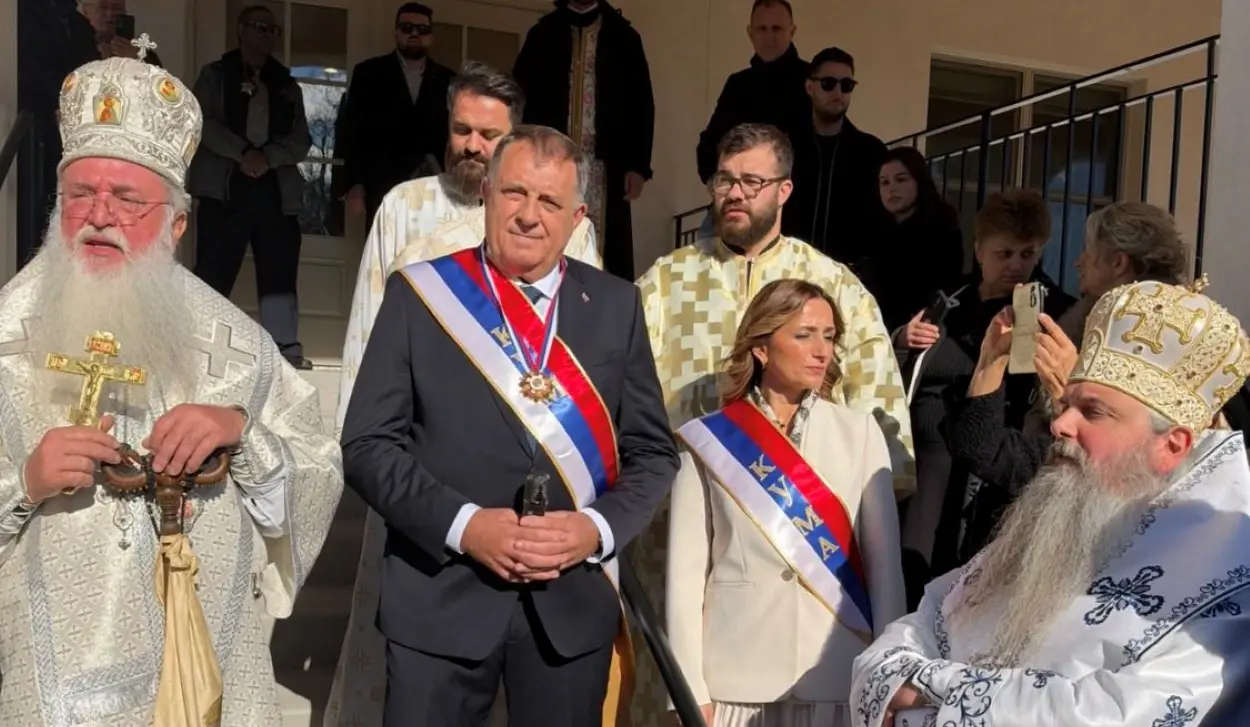
DODIK: REPUBLIKA SRPSKA IS STATE OF THE SERBIAN PEOPLE OF FAITH
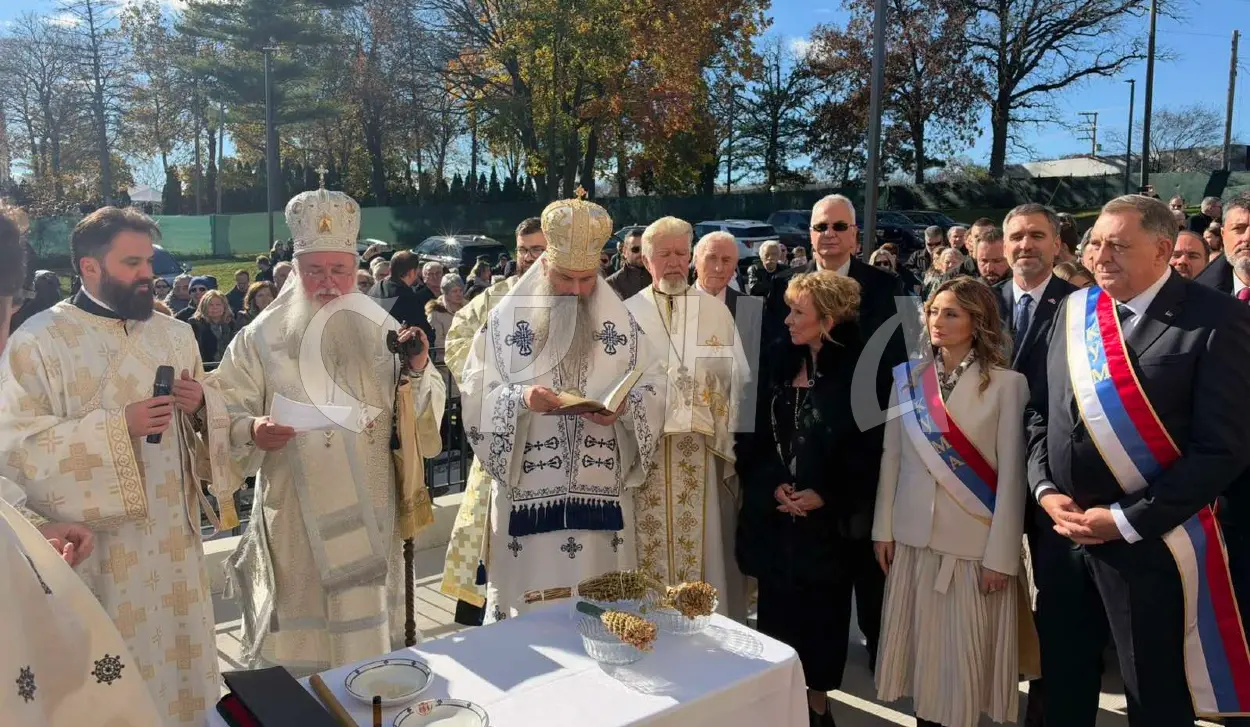
BISHOP LONGIN: REPUBLIKA SRPSKA AND PRESIDENT DODIK PROVIDED GREATEST SUPPORT FOR RENOVATION OF THE SPIRITUAL CENTRE
BUS OVERTURNS IN SOUTHWESTERN COLOMBIA, EIGHT KILLED