MARKOVIĆ: SARAJEVO JUDICIARY TASKED WITH ACQUITTING MUSLIMS
Republika Srpska - Zvornik - Families of Fallen and Captured
04/13/2026
18:29
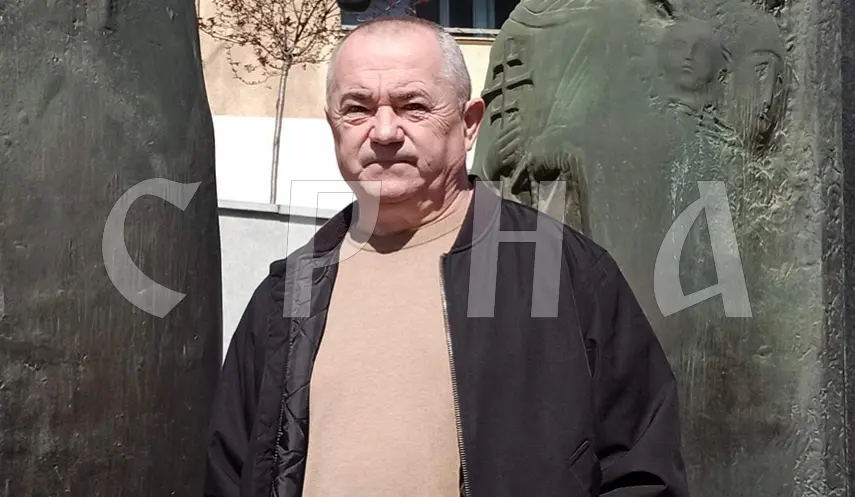
ZVORNIK, APRIL 13 /SRNA/ – The President of the Zvornik Organization of Families of Fallen and Captured Soldiers and Missing Civilians Milivoje Marković said that the Court and Prosecutor's Office of BiH are Sarajevo-based judicial institutions acting outside proper legal frameworks with the task to acquit those responsible for crimes against the Serb people and that it is important for the Serbs to oppose that.
Following the decision of the Appellate Division of the Court of BiH to overturn the verdict against former commander of the 43rd Brigade of the so-called Army of BiH, Ramiz Duraković, for crimes against Serb civilians in the Čajniče area, Marković told SRNA that such rulings have nothing to do with law or justice, but are directly aimed at protecting commanders and members of the so-called Army of BiH accused of crimes against Serbs.
He referred to cases such as Glođansko Brdo, where, he said, 126 people of Serb nationality were killed, and Crni Vrh, where a convoy was intercepted and 11 Serbs, mostly civilians, were killed.
Marković also reminded of other crimes committed against Serbs in the Podrinje region, including in Kravica and Zalazje, stating that none of the perpetrators had been held accountable.
Marković believes that, as he described it, the judicial agony will continue until, in his view, all Serbs who defended their people during the war are prosecuted, while members of the so-called Army of BiH remain protected by the judiciary.
Marković stressed that it is necessary for the Serb people to resist what he called a flawed judicial system, questioning how Serb judges and prosecutors working within these institutions accept such decisions.
He added that he personally would not allow any Serb to work in what he described as imposed judicial institutions, which he claims prosecute only Serbs.
Marković also said he would welcome the establishment of a border crossing between the Federation of BiH and Republika Srpska in Kalesija, along with the removal of the crossing on the Drina, arguing that this would provide greater protection from the Sarajevo-based judiciary.