KARAN CALLS FOR WORKPLACE AND SCHOOL DRUG TESTS
Republika Srpska - Institute of Forensic Medicine
11/09/2026
09:40

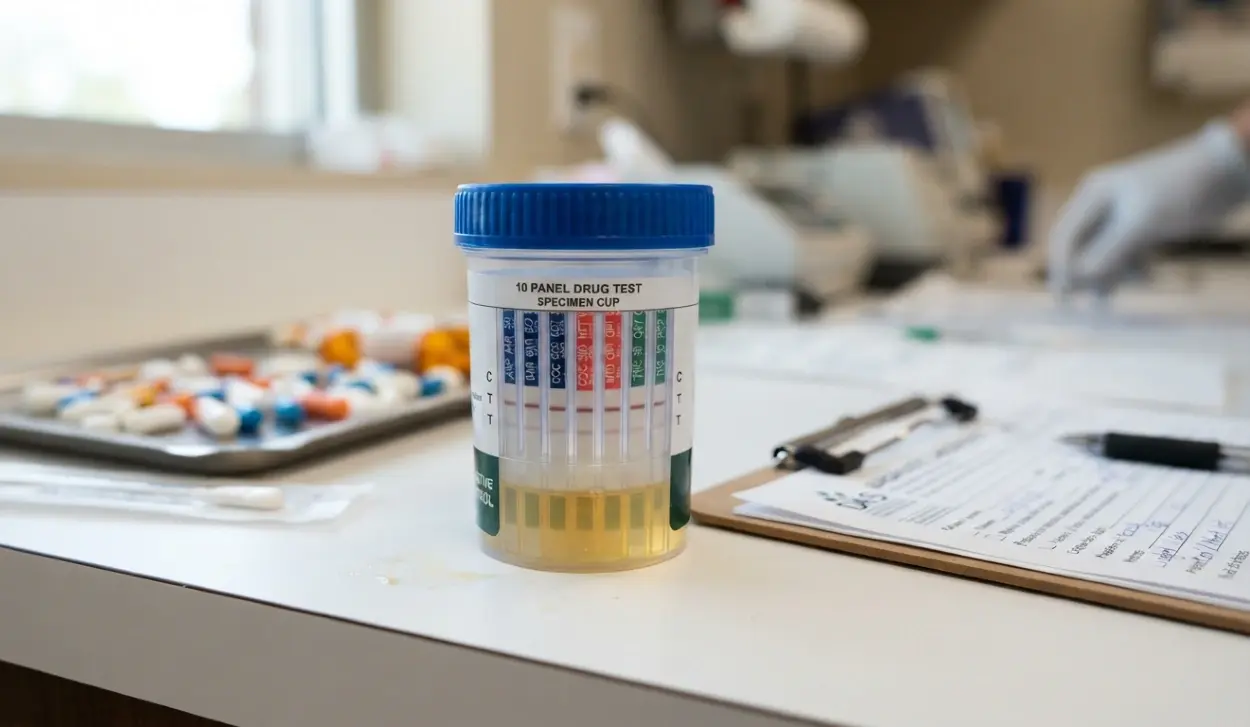
BANJA LUKA, NOVEMBER 9 /SRNA/ – Željko Karan, director of the Republika Srpska Institute of Forensic Medicine, warned of a growing problem with the use of drugs and psychoactive substances. He said that in addition to regular medical checkups, there should be periodic testing of employees in the workplace and of high school students.
Karan said that five years ago the institute had set up a chemical and toxicology laboratory and acquired equipment that made regular testing for alcohol, drugs and psychoactive substances possible.
"These five years have shown what I warned about. Alcohol is a problem, there’s plenty of it, especially in traffic, but drugs have become a bigger problem. We very often get positive results, whether for marijuana, heroin or cocaine, but also for psychoactive substances," Karan told SRNA.
He also warned of the danger of misusing benzodiazepines, which can be bought at pharmacies and can seriously impair a person's ability to drive or do their job.
"Say you take two bromazepam pills to calm down, then get behind the wheel, fall asleep, and there’s your accident," Karan said.
As one way of preventing such situations, Karan proposed introducing workplace testing of employees for drugs and psychoactive substances.
"I can tell you the results would be terrible. How many employees are under the influence of something at work? It doesn’t matter whether it’s alcohol, marijuana, ecstasy or cocaine," Karan said.
He said some companies had already started sending employees' samples for testing, but he believed the area needed clearer legal regulation, through rules that would set out periodic and random testing.
Karan noted that the Labor Law allowed for testing, but the provision was too general. The Labor Ministry should require health institutions to adopt rules on testing, he said.
He warned in particular of the risks in production facilities, where working under the influence of drugs or medication that affected concentration could lead to serious injuries.
"A man who takes cocaine can't work on a machine, it could tear his arm off. And it doesn't have to be cocaine, it could be bromazepam, which will make him careless at the machine and lead to a serious workplace injury," Karan said.
He cited the United States as an example of good practice, where employee testing had been in place for decades, noting that the FBI was among the first to start testing its staff.
Karan said anonymous testing of students in schools also needed to be introduced to get a realistic picture of how widespread drug use was among young people.
"To plan a strategy, you first have to know how big the thing you're fighting is. It's one thing when a company of soldiers attacks you and another when an entire army comes at you," Karan said.
He criticized the reliance on surveys so far, saying they did not always reflect the real situation among young people.
"When you read surveys of high school students across Republika Srpska, none of them has ever drunk a beer in their life. We all know that's not true, because judging by those surveys they're all little angels. But when you walk into a school, you can smell the weed being smoked in the toilets," Karan said.