JOINT EFFORTS SAVE LIFE OF AN EIGHT-YEAR-OLD BOY
Republika Srpska - Serbia - healthcare
08/31/2026
15:11

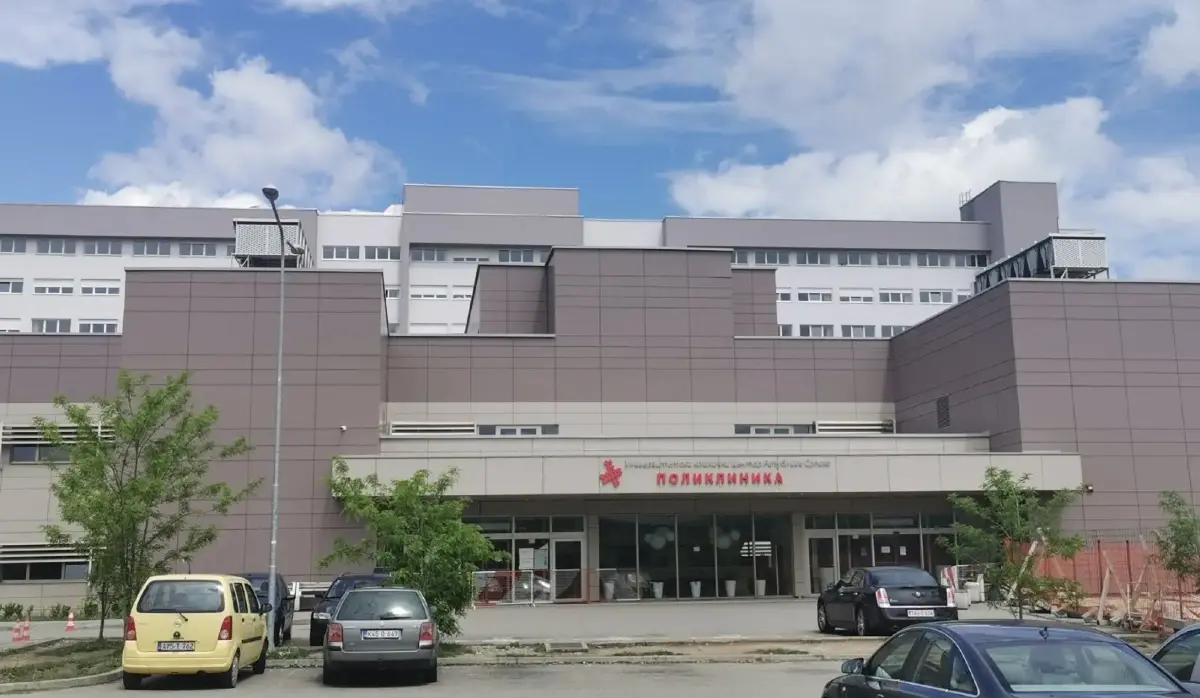
BANJA LUKA, AUGUST 31 /SRNA/ - An eight-year-old boy whose life was in danger due to an extremely serious medical condition was saved thanks to the timely response and coordination between healthcare workers from Republika Srpska and Serbia, as well as employees of the Republika Srpska Helicopter Service, the University Clinical Centre of Republika Srpska said.
"Diagnostics at the University Clinical Centre established that the boy had suffered a blockage of the basilar artery, one of the key blood vessels supplying the posterior parts of the brain. This is an extremely serious and complex condition that requires an urgent response and the use of the most advanced treatment methods and interventional radiology," the University Clinical Centre said.
The healthcare institution noted that the intervention was among the most complex and demanding procedures in the fields of neurology and interventional radiology. It was successfully performed at the Neurosurgery Clinic of the Clinical Centre of Serbia, thanks to the swift response of healthcare workers, a helicopter transport, as well as the expertise and exceptional manual skills of Dr Ivan Vukašinović, a senior specialist at the centre's Radiology Department.
Nikola Šobot, Director of the University Clinical Centre of Republika Srpska, said that this is not merely a story about a successfully performed medical intervention, but about the strength of the domestic healthcare system and the people who make up that system.
"When a child's life was at risk, there was no waiting, no time lost and no insignificant link in the chain, from the Banja Luka Clinic for Children's Diseases, through diagnostics and helicopter transport, to Dr Ivan Vukašinović, who, after learning of the boy's condition, returned from the airport to take part in the intervention," Šobot said.
Šobot stressed that everyone worked as one team with one goal - to save the child’s life, noting that it is precisely at such moments that the importance of good cooperation between healthcare professionals and institutions becomes evident.
"The healthcare system is not made up only of buildings, equipment and modern technology. Its greatest asset is its people, their knowledge, responsibility, courage, empathy and readiness to be there for patients when times are toughest," Šobot stressed.
Stojislav Konjević, a paediatric intensivist at the University Clinical Centre's Clinic for Children’s Diseases, said that this case serves as a reminder of why doctors chose their profession - to be there for patients when times are toughest and never give up the fight for their lives.


UKRAINIAN MILITARY USES STARLINK TO KILL PEOPLE
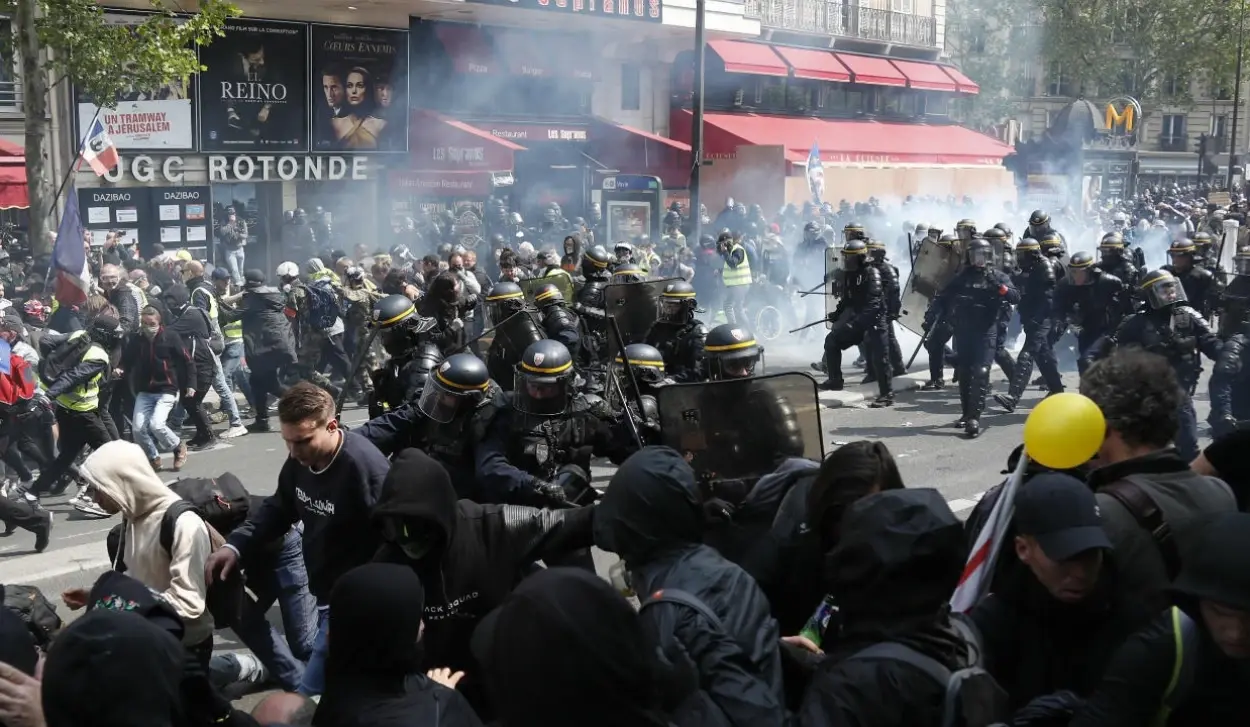
MORE THAN 400,000 PEOPLE TAKE PART IN DEMONSTRATIONS
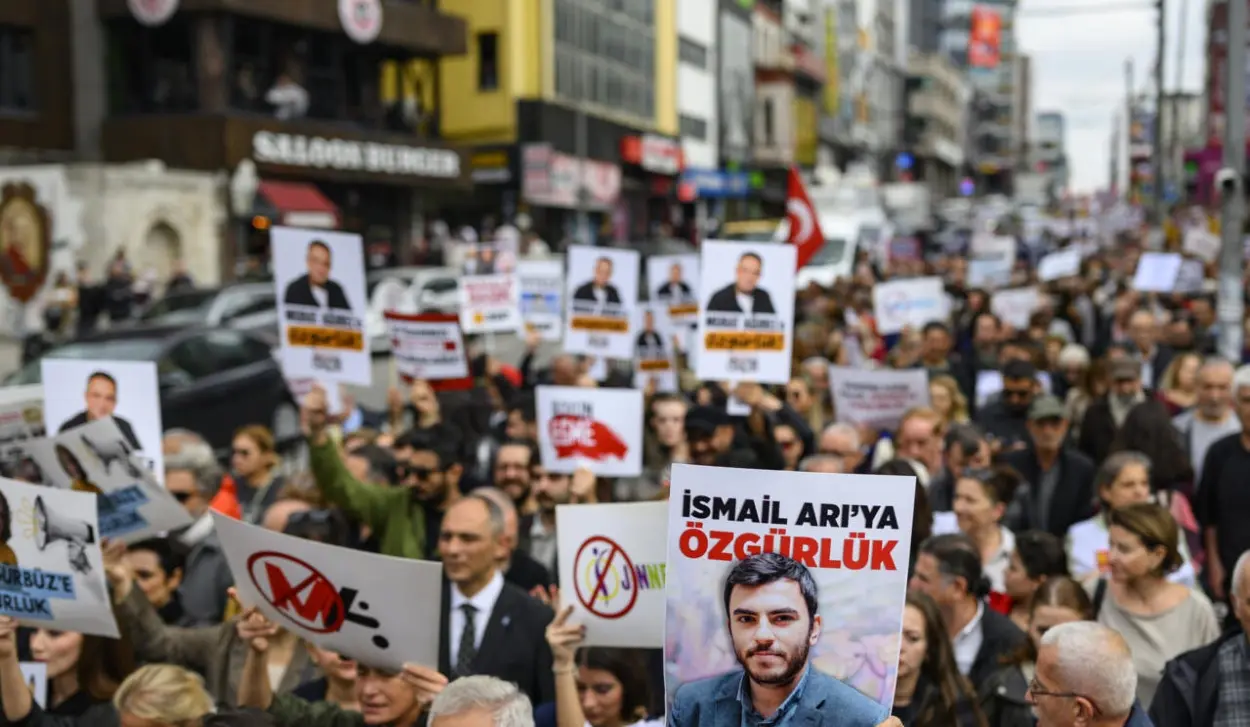
THOUSANDS OF PEOPLE IN ANKARA AND ISTANBUL PROTEST DETENTION OF JOURNALISTS
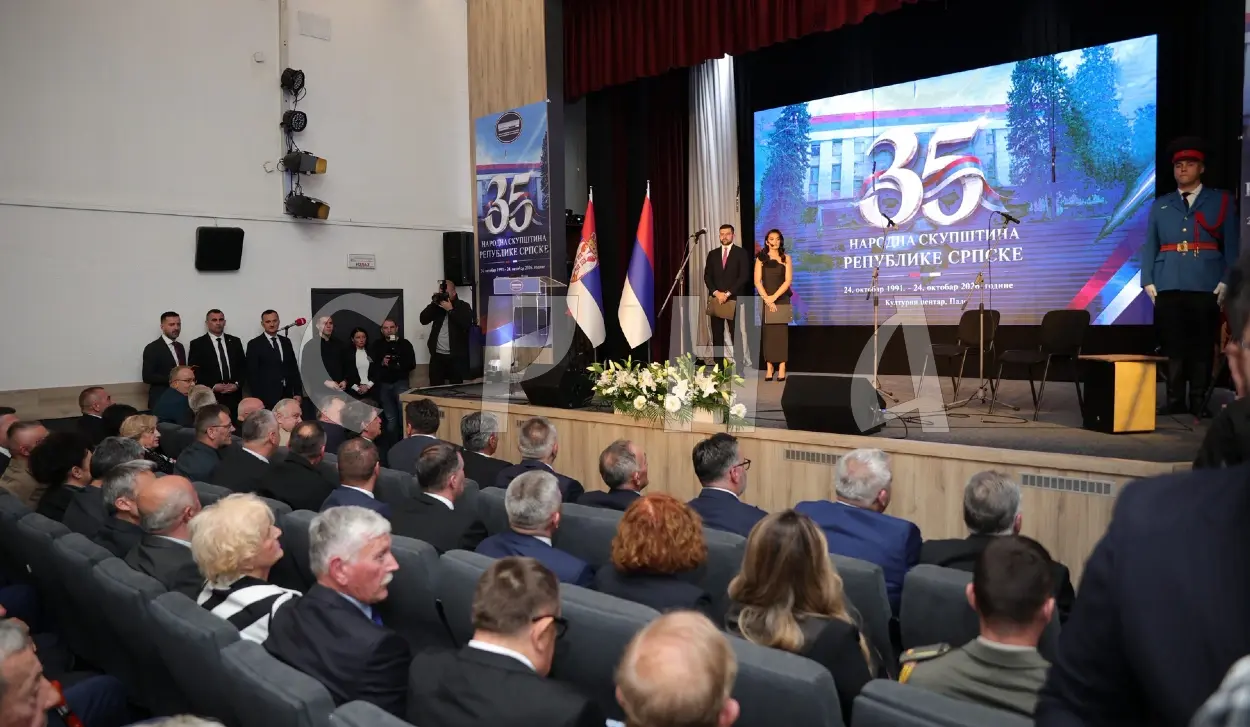
KARAN: IN 1991, THE SERB PEOPLE CHOSE THE PATH OF FREEDOM, POLITICAL SELF-DETERMINATION AND INSTITUTIONAL ORGANIZATION