ILIĆ: REPUBLIKA SRPSKA ROOTED IN ANTI-FASCIST TRADITION
Republika Srpska - May 9
05/08/2026
10:36
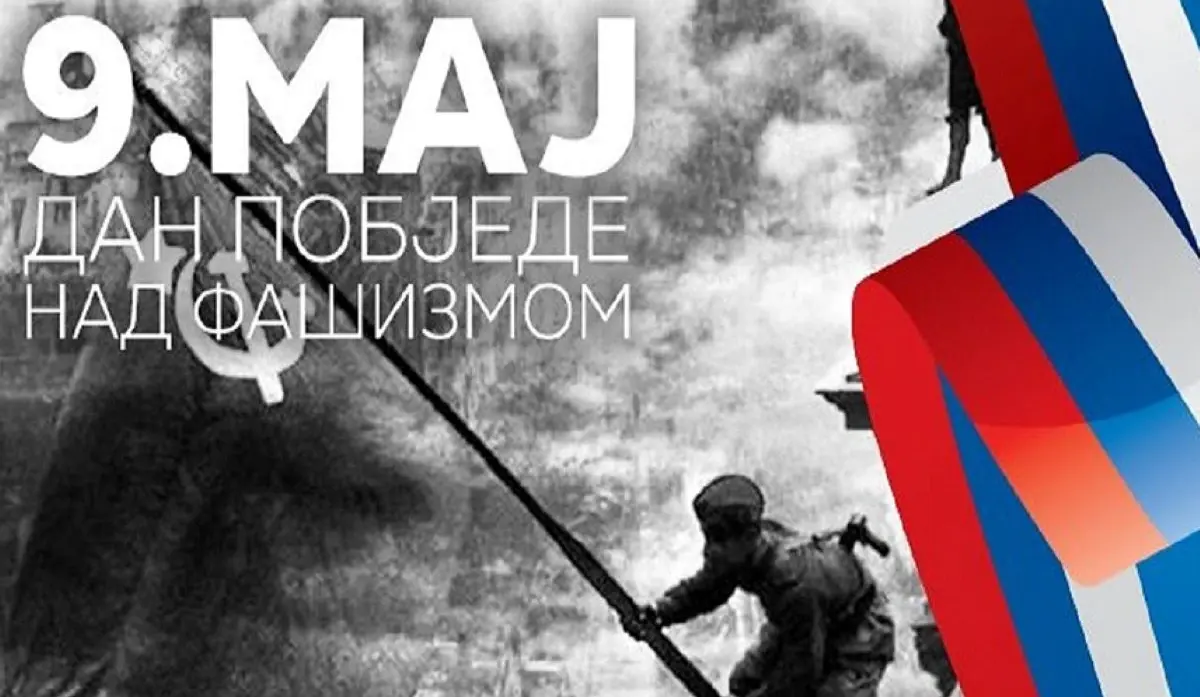
BANJA LUKA, MAY 8 /SRNA/ – Anti-fascism from the period of World War II is not merely an artifact of the past, but a historical reality and an integral part of Republika Srpska's identity, Dragoslav Ilić, president of the Banja Luka Association of Former WWII Camp Inmates and Their Descendants, told SRNA.
"Republika Srpska emerged from the anti-fascist tradition, and if we look at its founding documents, as well as the names of the Republika Srpska Army units, throughout the war it was firmly rooted in the anti-fascist tradition," Ilić said ahead of the upcoming May 9 Victory Day over Fascism commemoration.
According to him, young people in Republika Srpska are growing up within this historical context and anti-fascist values have been passed on to them.
Ilić said that although fascism was defeated in 1945, it was not destroyed as an idea.
"The problem with the European Union is that in recent years, under the banner of condemning the crimes of totalitarian regimes in the 20th century, it has practically equated communism and fascism," Ilić pointed out.
He said this has additionally blurred the fragile line between fascism and anti-fascism and, if not fully opened the door, has certainly left it significantly ajar for various neo-fascist ideas.
Ilić stressed that the European Union's actions in preventing gatherings featuring fascist symbols are not always reflected equally in the actions of individual EU member states.
"We can see this in the actions of Austrian authorities, which banned neo-Ustasha gatherings in Bleiburg organized under the patronage of the Croatian Parliament under the pretext of commemorating victims. At the same time, we see it in Spain, which ordered the removal of Ustasha symbols from the tombstone of Maks Luburić," Ilić emphasized.
Speaking about the role of Russia and the Serbian people in defeating fascism during World War II, Ilić said there would have been no victory over fascism without the Soviet Union and Russia as its backbone, noting that it was the country that bore the greatest wartime burden and suffered the greatest human losses during the war.
"The Serbian people were part of the victorious coalition and among the European nations that suffered the greatest sacrifices in the fight against fascism, and our participation in World War II is one of our most important contributions to world history. Bearing this fact in mind, we have the right to stand proudly before anyone, with our heads held high," said Ilić, who is also a historian.
Victory Day over Fascism will be commemorated tomorrow in Banja Luka, organized by the Republika Srpska Government Committee for Fostering the Traditions of Liberation Wars.
Victory Day over Fascism is observed on May 9 in remembrance of the date in 1945 when Nazi Germany's unconditional surrender came into effect, marking the end of the Second World War in Europe - the largest and deadliest conflict in human history, in which around 60 million people lost their lives.
The Serbian people were at the forefront of the anti-fascist struggle in the territory of the former Yugoslavia and suffered the greatest losses, while the Soviet Union made the greatest contribution to the defeat of fascism.
The former Yugoslavia, which at the time and throughout history stood with the Allies, suffered enormous losses that, according to the state commission of the former SFRY, are estimated at 1.7 million people.