BULSHTEIN FOR ISRAEL HAYOM: REPUBLIKA SRPSKA - EUROPEAN DESTINATION NOT YET OVERRUN BY VISITORS
Republika Srpska - tourism
08/14/2026
12:47
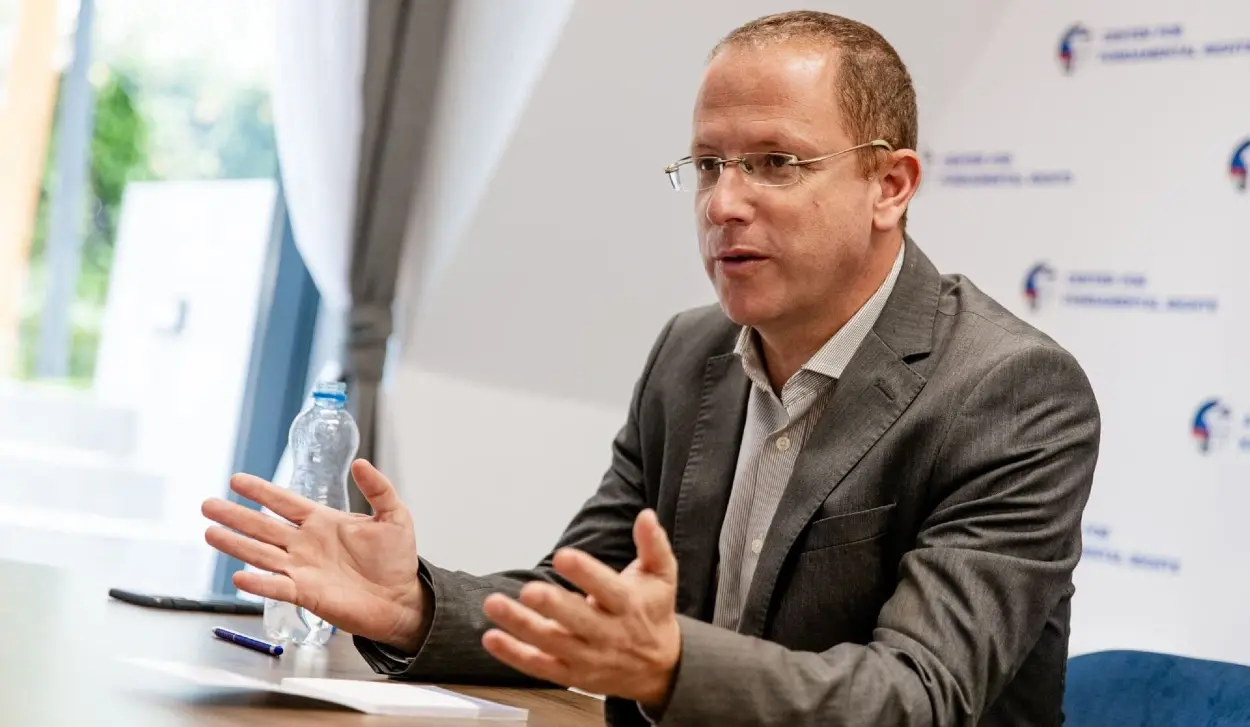
TEL AVIV, AUGUST 14 /SRNA/ - Rivers between mountains, rainforests, rafting, Balkan cuisine and cities with Mediterranean influences are among the features of Republika Srpska, revealing a diverse region where tourism still does not feel commercialized, Israeli lawyer Ariel Bulshtein assessed in a travel reportage about Republika Srpska for Israel Hayom, one of Israel's most widely read and influential newspapers.
"Republika Srpska is undoubtedly one of the most interesting, yet still lesser-known destinations for Israeli travelers in the Balkans. It is not an independent state, but one of the two entities that make up BiH. In geographical and tourism terms, however, it is a highly diverse area: rivers between mountains, rainforests, historic towns, monasteries, cultural heritage sites, nature trails, ski resorts, spas and rich Balkan cuisine. The very fact that it has not yet been overrun by tourists gives it a charm that is difficult to find in better-known European destinations," Bulshtein emphasized, whose complete article SRNA is publishing:
The magic begins with the landscape. This is a region where the Dinaric Mountains descend into river valleys, and water accompanies travelers on almost every route. The Drina, Vrbas, Tara and Una rivers create canyons, waterfalls, lakes and forests, offering numerous options for those seeking a nature getaway rather than simply touring cities.
HOW TO GET THERE?
Via Belgrade /Serbia/: Flight Tel Aviv /Ben Gurion/ - Belgrade, then take a 55-minute flight to Banja Luka or drive a rental car for approximately 3.5 hours.
Via Zagreb /Croatia/: Flight Tel Aviv - Zagreb, then drive a rental car for approximately 2.5 hours or take a direct bus to Banja Luka.
RIVERS OF SRPSKA - PARADISE FOR RAFTING ENTHUSIASTS
The rivers of Republika Srpska are a paradise for rafting enthusiasts, but also an excellent opportunity for those who have never tried this water activity to experience it for the first time. Routes are available at different difficulty levels, and the season also plays a role. In spring, when snow melts and water levels rise, the routes can be more challenging.
In summer, on the other hand, the flow is more moderate on some sections and may also suit beginners. The cold waters of the Vrbas provide a wonderful escape from the Balkan summer heat throughout the year.
Republika Srpska is particularly suitable for travelers looking for a destination that has not been "prepared in advance" for them. There is no mass tourism like in Paris, Rome or Prague, and sometimes that is precisely the reason to visit. You can drive along a mountain road, stop by a river, visit a small village, sit in a local café or discover a monastery far from the usual tourist routes. It feels as if you are making your own discoveries.
The charm of the place also lies in its contrasts: snow-covered mountains next to a city with Mediterranean influences; rainforest beside a modern ski resort; an Ottoman bridge beside Orthodox churches; literature alongside wild nature; calm rivers alongside exciting rafting routes. All of this can be found within an area that can be crossed in just a few hours.
AFFINITY TOWARD ISRAEL
For Israelis, traveling through Republika Srpska can also bring a surprising experience. During my journey, I repeatedly encountered sympathy toward Israel and curiosity about Israelis. This atmosphere was particularly evident in conversations with local people, and in some cases I received direct expressions of affection toward Israel and the Jewish people.
"Serbs and Jews are brothers, and we admire the State of Israel," a rafting guide I met on the Vrbas put it simply. You will admit that there is no better seasoning to complete the Balkan specialty known as Republika Srpska.
BETWEEN WILD NATURE AND ANCIENT HISTORY
Another highlight of a trip through Republika Srpska awaits at Sutjeska National Park in the southeast of Srpska. This is one of the most impressive natural areas, covering more than 17,000 hectares and encompassing high mountains, forests, meadows and mountain lakes. The park is also home to Mount Maglić, which, at 2,386 meters above sea level, is the highest peak in BiH.
But the crown jewel of Sutjeska is Perućica, one of Europe's last remaining primeval forests. Trees hundreds of years old, steep slopes, dense vegetation and streams create an almost surreal feeling. Perućica is considered one of the oldest and most protected wild forests in Europe, and it is one of those places where it seems as if time has stood still.
Nearby are the Zelengora lakes, known as the "mountain eyes": clear glacial lakes surrounded by peaks and expanses of greenery.
OTTOMAN BRIDGE, LITERATURE THE REGION'S CAPITAL
If Sutjeska offers wild nature, Višegrad offers an almost perfect combination of landscape, literature and history. This small town lies on the banks of the Drina and Rzav rivers, and its most famous symbol is the renowned 11-arched bridge dating from the 16th century. It was designed by Ottoman architect Mimar Sinan and is listed as a UNESCO World Heritage Site.
A short distance from the bridge is Andrićgrad, a cultural and tourist complex built on the initiative of film director Emir Kusturica and inspired by the works of Ivo Andrić.
The streets and buildings within the complex are designed as a stone historic town and combine motifs from different eras. The site offers visitors an entirely different experience from a traditional museum: history here becomes a space you can walk through, sit in and experience.
Those who prefer cities and food without getting wet will find that in Banja Luka, the largest urban centre and de facto capital of Republika Srpska. The city lies on the Vrbas River and offers a mix of urban streets, parks, cafés, restaurants and historic sites.
It can serve as a comfortable base for excursions in the north and central parts of the region, while also giving travelers the experience of a Balkan city that does not feel like a tourist trap.
If you visit Banja Luka during the football season, do not miss a match of local club Borac, the BiH champions for the 2025/26 season and a source of pride for many city residents. You will not miss that passion even if you do not go to the stadium, as Banja Luka is full of graffiti and murals celebrating Borac throughout the city.
Other, much older walls belong to Kastel Fortress in Banja Luka. The site's roots date back to Roman times, when a fortified settlement existed in the area to protect the road and crossing over the Vrbas River. During the Middle Ages, the site developed, while during the Ottoman period the fortifications were expanded, giving the fortress strategic importance in the struggle for control of the Balkans.
THE FLAVOURS OF REPUBLIKA SRPSKA
Then head south to Trebinje, a city where Mediterranean influences are already clearly felt. The city lies at the foot of Mount Leotar, near Dubrovnik, Kotor and Mostar, and is characterized by a mild climate and a large number of sunny days each year. Plane trees, historic buildings, cafés, a local market and the Trebišnjica River create a relaxed atmosphere that in some places resembles the Adriatic coast.
On Crkvina Hill above the city is the complex of Herzegovinian Gračanica, one of the most impressive viewpoints in the region. From here, visitors can look out over Trebinje and its surroundings, and on a clear day appreciate how close the city is to the Mediterranean world.
The vineyards surrounding the area add another dimension to the experience, while tasting local wines fits perfectly into the itinerary of anyone wishing to experience Herzegovina through its food and local agriculture.
In fact, food is an indispensable part of Republika Srpska’s charm. The local cuisine combines Balkan, Serbian and Mediterranean traditions: grilled meat, cheeses, pastries, soups, seasonal vegetables, river fish and, in the south, local wine. A meal here is definitely not merely a culinary experience, but part of the local culture. Lunch or dinner means sitting and talking for a long time, in the best spirit of hospitality, giving the feeling that food is a way to get to know a place and its people.