BANJAC: DENIAL OF CRIMES IS NEW CRIME AGAINST VICTIMS
Repblika Srpska - Kozarska Dubica - Culture of Remembrance
10/07/2026
16:37


KOZARSKA DUBICA, OCTOBER 7 /SRNA/ - Denying the crimes committed against the people of Kozara during the Second World War and refusing to accept the truth is a new crime and an indication that hatred towards Serbs still exists, Republika Srpska National Assembly member Darko Banjac said.
Banjac attended in Donja Gradina the opening of an exhibition by the Staro Sajmište Memorial Centre on the detention camp in Zemun, and on the occasion recalled the great sacrifice made by the people of Kozara during the Second World War, noting that Kozarska Dubica alone lost 55 percent of its population.
He noted that Jasenovac was not a single site, but a system of concentration camps that extended much farther, including Stara Gradiška, Jastrebarsko and Staro Sajmište in Zemun, which is why cooperation between the memorial centres of Serbia and Republika Srpska is very important.
He said that his great-grandfather had been taken to Staro Sajmište and was never found.
He also stressed that Donja Gradina was the largest site of suffering of Serbs and that genocide was committed against the Serb people in the Independent State of Croatia.
"They systematically enacted laws aimed at destroying the Serb people, and that was their goal," Banjac said.
He also referred to Lordan Zafranović's film "Golden Cut 42 - Children of Kozara", which, he said, portrays the reality of the suffering of the people of Kozara in the Jasenovac camp, but stressed that it was alarming that there are still people in Croatia who deny this and condemn the film.
"Attacking Lordan Zafranović's film `Golden Cut 42 - Children of Kozara` is essentially a denial of the truth and facts, and this is extremely dangerous because it is also a message to Serbs that this evil still exists somewhere," Banjac said.
He said that the Serb people must cultivate a culture of remembrance of what happened to them, because only in this way can they prevent the great genocide and suffering of the Serb people - adults, women and children up to the age of 15 - from being forgotten.
The exhibition by the Staro Sajmište Memorial Centre on the detention camp in Zemun sheds light on the second phase of the camp's existence, during which nearly 32,000 people were detained between 1942 and 1944, while more than 10,600 perished.

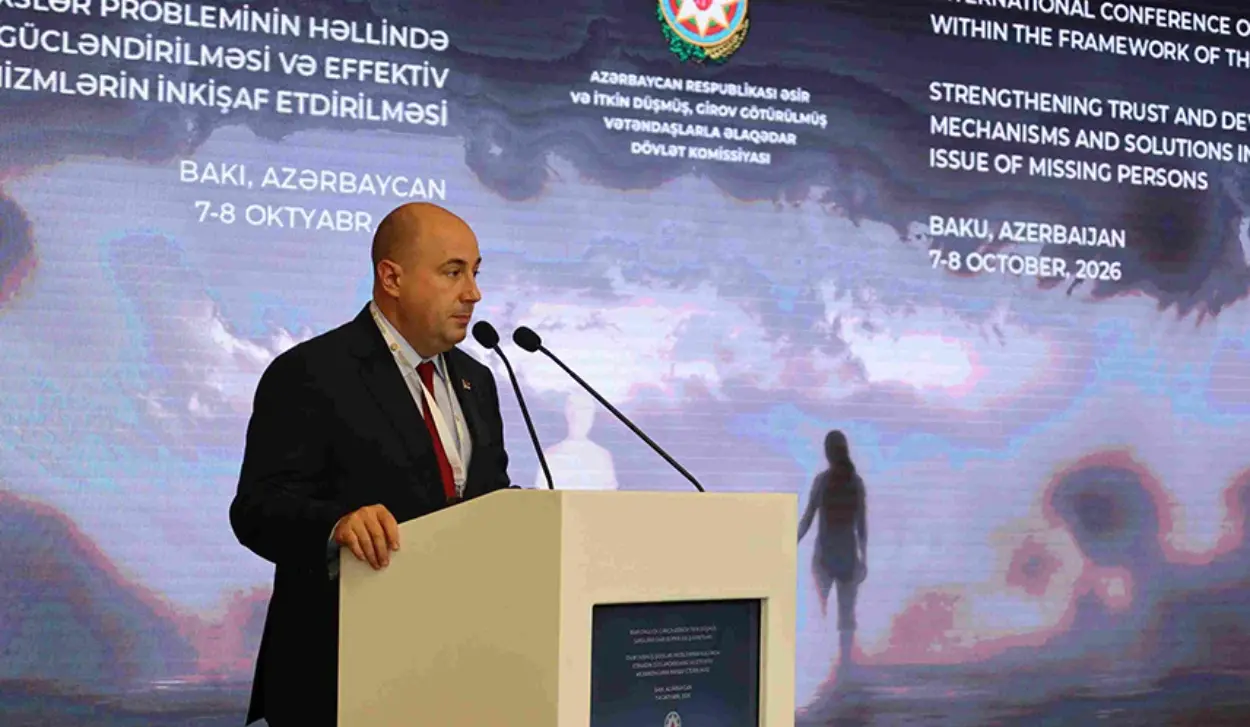
KOZAREV: SERB FAMILIES STILL IN AGONY WAITING FOR ANSWERS
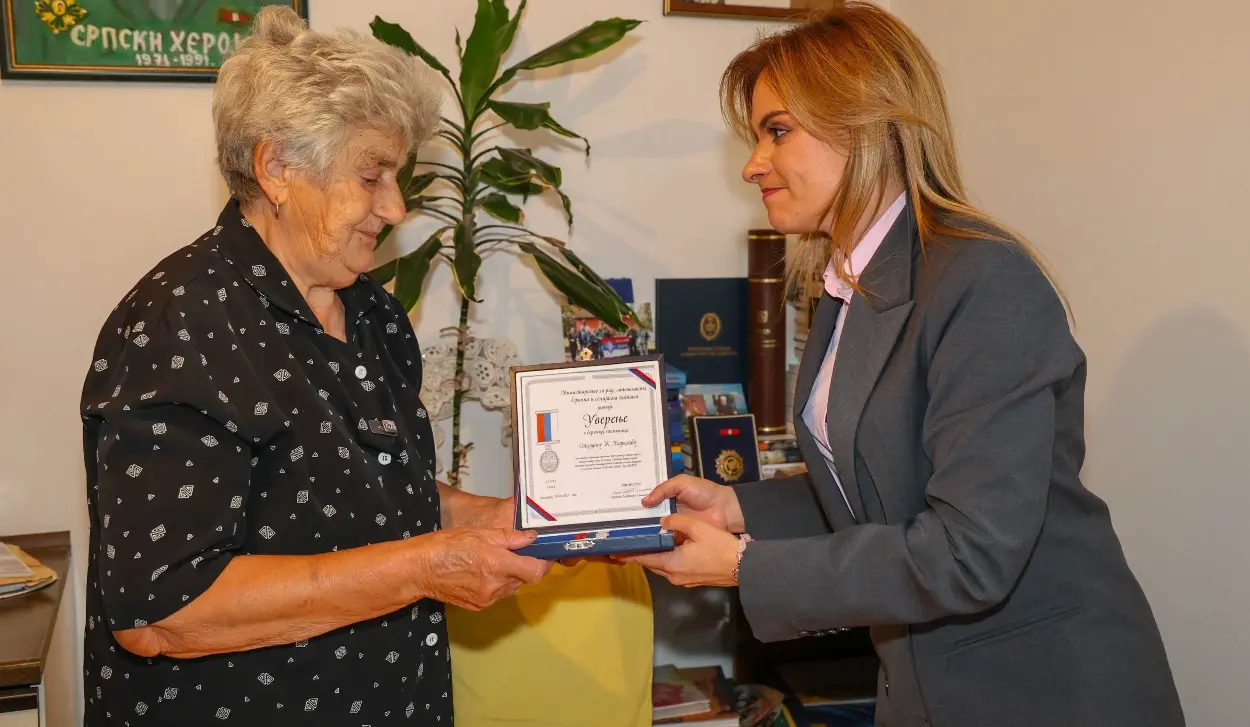
MOTHER OF STOJADIN MIRKOVIĆ KILLED WITH MAJOR TEPIĆ RECEIVES VETERANS' COMMEMORATIVE MEDAL

AMENDED RULEBOOK CLEARS WAY FOR EFFICIENT BORDER CROSSING OPERATIONS
BANJAC: DENIAL OF CRIMES IS NEW CRIME AGAINST VICTIMS