ANATOMY OF WEAKNESS
Republika Srpska - Trišić-Babić - column
09/09/2026
09:03

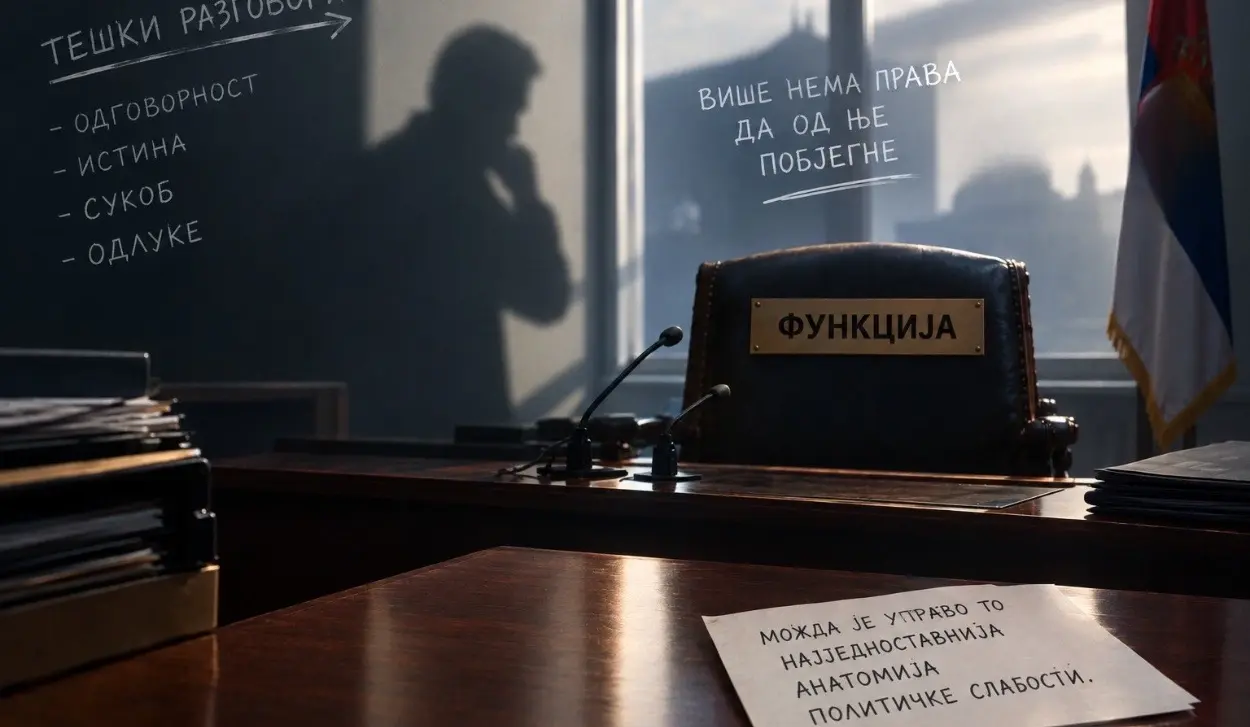
BANJA LUKA, SEPTEMBER 9 /SRNA/ – Acting Director of the Republika Srpska International Cooperation Office Ana Trišić-Babić says a person being afraid of a difficult conversation is not a problem; the problem arises when that person seeks a position which they no longer have the right to run away from, which perhaps is the simplest anatomy of political weakness.
In a column for the Republika Srpska Media System – SRNA, Trišić-Babić pointed out that the president of the Republic is not a ceremonial reward for a good biography, but a position in which a person takes blows they did not expect, talks to people they did not choose, assumes responsibility they cannot pass on to someone else and sometimes makes decisions within a few hours whose consequences will last for years.
"Perhaps that is why it is wrong to reduce the entire story to the question: ‘Why does Branko Blanuša not want to take part in a televised debate?’ A much more important question is: What does his behaviour say about the way he makes decisions when he comes under pressure?" Trišić-Babić stated in the column, which the Republika Srpska Media System – SRNA is publishing in full:
It is almost unbelievable that, in the third decade of the 21st century, in an election race in which citizens are essentially choosing between two candidates for the position of the president of the Republic, there is any need at all to discuss whether the two will face each other in front of television cameras.
A debate is not a privilege of candidates. Nor is it a television spectacle. It is one of the simplest tests of democratic politics: put two people seeking the same office at the same table, ask them the same questions and let citizens see how they think when there is no prepared speech, how they respond to an opponent’s arguments and how well they know the job for which they are seeking voters’ trust.
Branko Blanuša does not want to take that test.
The explanation sounds even more unusual – a candidate for the president of Republika Srpska cannot make time for a televised debate because he has previously scheduled commitments and meetings with citizens.
That might sound convincing if a televised debate were not precisely a conversation with citizens, only with a vastly larger number of them at the same time.
If his social media posts really show that individual field activities are attended by several dozen or a hundred people, the contrast is politically obvious: the opportunity for a candidate to be heard simultaneously by a potentially huge television audience is being rejected in order to preserve events of a far smaller reach. But the problem goes deeper than one appointment in a calendar.
WEAKNESS AS A PATTERN
The way Blanuša came to be nominated therefore becomes relevant. It has been documented that during the nomination process he voted against his own candidacy and proposed other people instead, and this is no longer merely a political anecdote. Combined with his avoidance of a direct televised confrontation, it raises a legitimate question about his decisiveness.
A person does not have to want an office in order to perform it well. But a candidate for president must at least give the impression that he is in control of his own political decisions.
With Blanuša, however, a peculiar picture is emerging: the party nominates him while he proposes others; once he becomes the candidate, he avoids direct confrontation; when he needs to explain why, he cites other commitments.
In politics, there is a huge difference between modesty and indecisiveness. The former can be a virtue. The latter, in the office of president, can become a serious problem.
THE POSIOON OF PRESIDENT NOT AN OFFICE FOR PEACETIME
This is where the story ceases to be about television and becomes a question of geopolitics.
Republika Srpska is not a political community situated in a comfortable and predictable environment. Its politics unfolds between Brussels, Washington, Moscow, Tel Aviv and increasingly important global centres of power.
The president of the Republic may find himself under pressure from foreign diplomats, international institutions, local political opponents and events he did not choose. There is no option there to delete an unpleasant conversation from the calendar.
Sitting across from the president will be people who are not his political friends. Some will have demands that are unacceptable. Some will threaten political or economic consequences. With some, he will have to talk precisely when he would most like to get up from the table.
That is when composure, speed, self-confidence, knowledge of the facts, the ability to improvise, negotiating intelligence and a sense of when to say “no” and when to make a compromise that preserves what is most important are required.
Moreover, the president of a small political community in a world of great powers must be an even more capable negotiator than the president of a large country. A great power can sometimes afford a bad assessment. A small one often pays for it with history.
WHAT IF MUCH MORE EXPERIENCED INTERNATIONAL NEGOTIATOR REPRESENTING MAJOR POWER WERE SITTING ACROSS FROM HIM?
That is why the televised debate is interesting as a kind of political laboratory. If the candidate does not want to sit across from Savo Minić, it is entirely rational to ask what he would look like if, instead of a local opponent, a much more experienced international negotiator representing a major power were sitting across from him. How would he react if a demand came from Washington? What if the pressure came from Brussels?
How would he simultaneously preserve relations with Russia, talk to the Americans, maintain European channels, understand changes in the global balance of power and know when to open doors to other centres of power?
The foreign policy of small nations is not a competition in grand words. It is the art of survival. For it, it is not enough to be a person who knows what he thinks. What is needed is someone capable of defending what he thinks before someone who thinks the complete opposite.
RTRS IS MORE THAN TELEVISION STATION HERE
There is another dimension. RTRS is not a private studio that invited two politicians for the sake of ratings. It is the public broadcaster of Republika Srpska, an institution financed by its citizens and one of the institutions established alongside Republika Srpska.
A candidate has every right to criticize RTRS. He may consider its editorial policy unfair. He may criticize its journalists, programmes or management. But precisely then, there is the simplest answer: show up.
Come before the cameras of the public broadcaster you criticize, look your opponent in the eye and say what you think. That is political strength. Absence is simply absence.
ANATOMY OF WEAKNESS
Perhaps that is why it is wrong to reduce the entire story to the question: “Why does Branko Blanuša not want to take part in a televised debate?” A much more important question is: What does his behaviour say about the way he makes decisions when he comes under pressure?
Because the president of the Republic is not a ceremonial reward for a good biography. It is a position in which a person takes blows they did not expect, talks to people they did not choose, assumes responsibility they cannot pass on to someone else and sometimes makes decisions within a few hours whose consequences will last for years.
A president does not always have to be the loudest person in the room. Quite the contrary. But he must be the person who will walk into the room.
Perhaps that is the simplest anatomy of political weakness: there is no problem when a person is afraid of a difficult conversation; the problem arises when that person seeks a position which they no longer have the right to run away from.

UKRAINIAN MILITARY USES STARLINK TO KILL PEOPLE
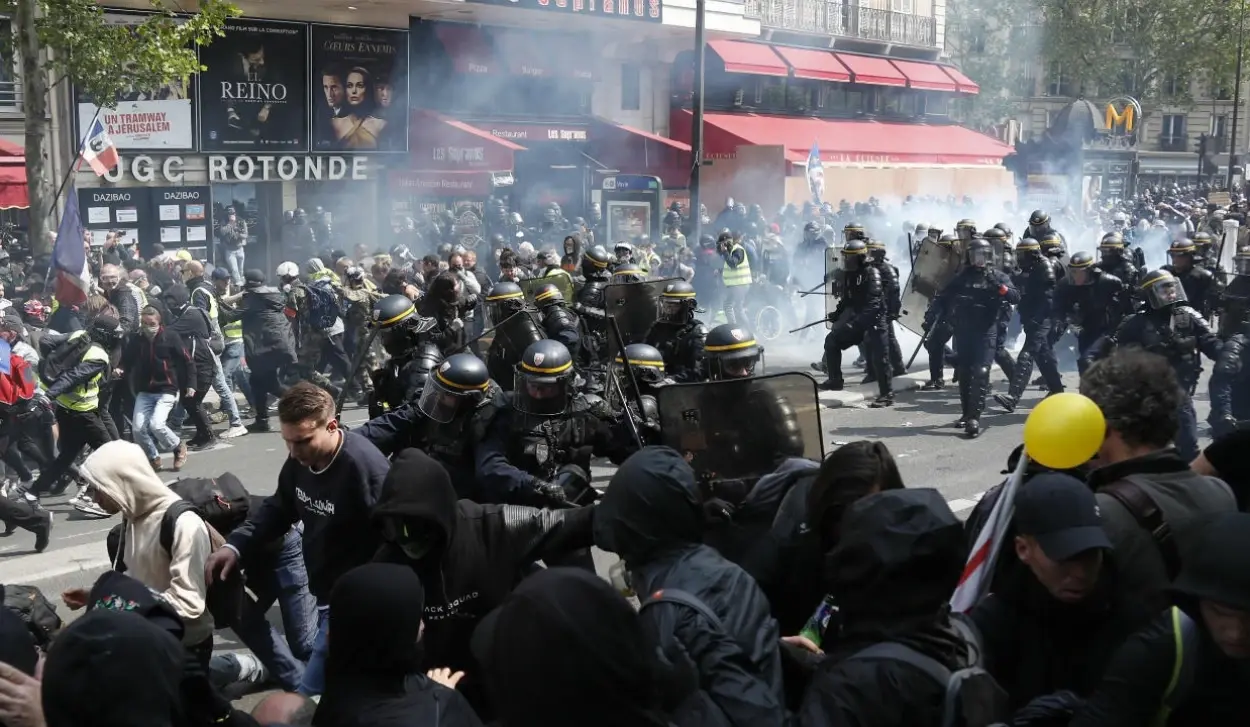
MORE THAN 400,000 PEOPLE TAKE PART IN DEMONSTRATIONS
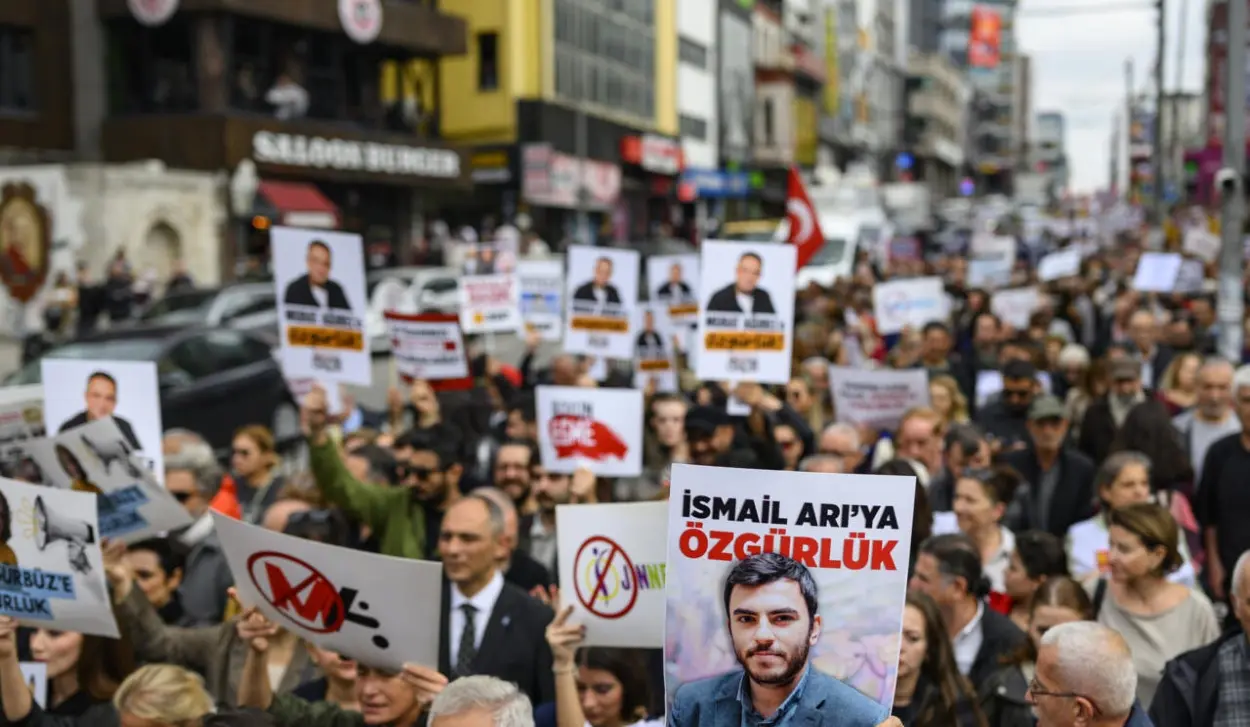
THOUSANDS OF PEOPLE IN ANKARA AND ISTANBUL PROTEST DETENTION OF JOURNALISTS
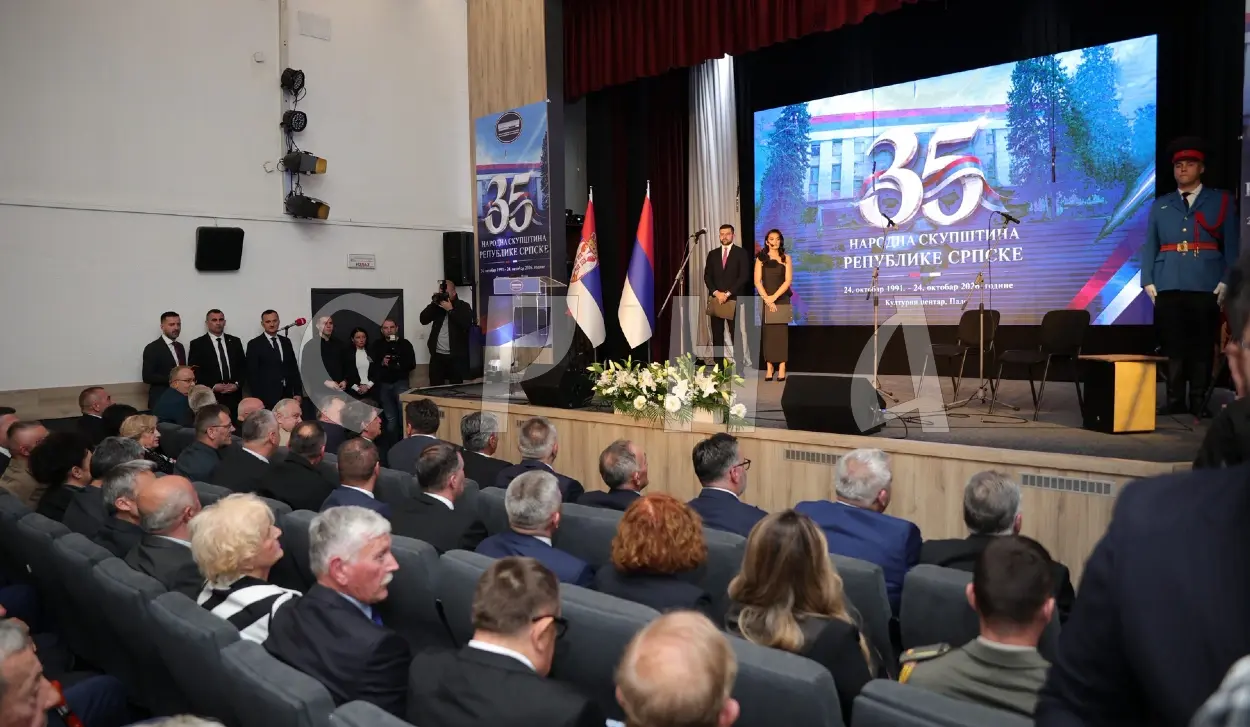
KARAN: IN 1991, THE SERB PEOPLE CHOSE THE PATH OF FREEDOM, POLITICAL SELF-DETERMINATION AND INSTITUTIONAL ORGANIZATION