PETAR BOJOVIĆ - CELEBRATED AND HUMILIATED
Serbia - vojvoda - anniversary
07/15/2026
10:26
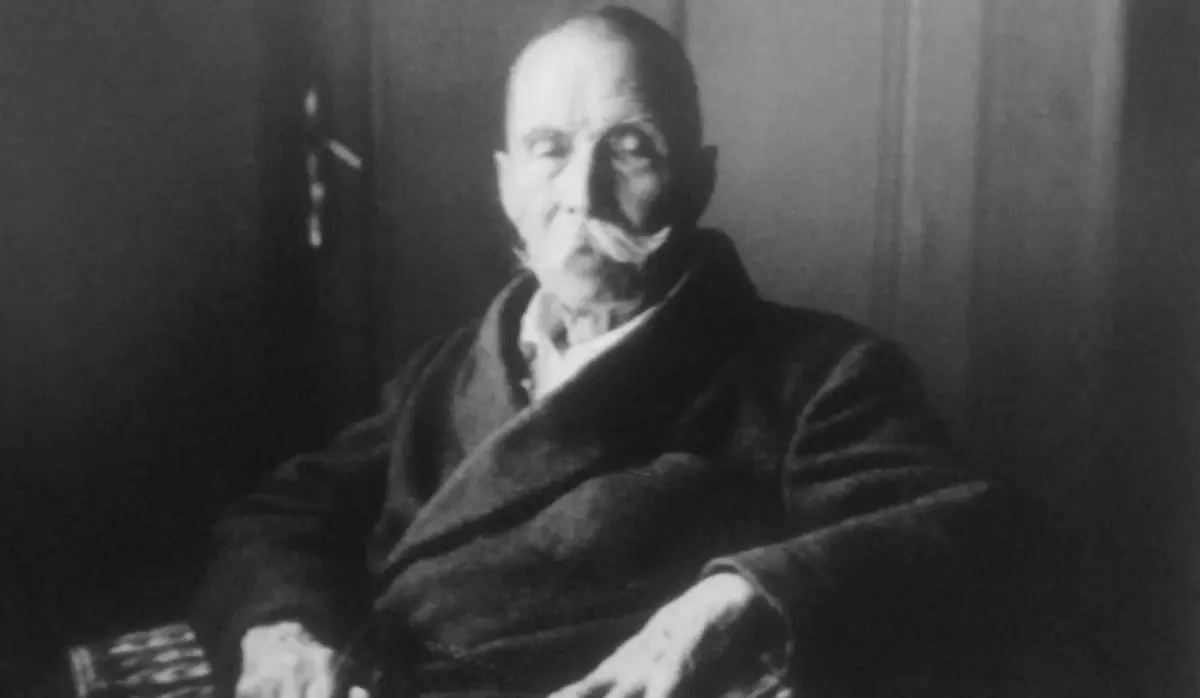
BIJELJINA, JULY 15 /SRNA/ - Serbian duke Petar Bojović /1858-1945/, the liberator of Belgrade in the First World War and one of the most prominent Serbian military commanders, was born on July 16, 1858.
HERO OF THE BALKAN WARS AND THE FIRST WORLD WAR
As a cadet of the Artillery School, Bojović took part in the Serbian-Ottoman wars from 1876 to 1878, while in the Serbian-Bulgarian War of 1885 he distinguished himself through bravery in battles at Vrapča, Slivnica, the Dragoman Gorge, near Pirot and Caribrod /Dimitrovgrad/.
During the First Balkan War in 1912 and 1913, as Chief of Staff of the First Army, he made an outstanding contribution to victories over the Turks in the battles of Kumanovo and Bitola. In the Second Balkan War in 1913, Bojović broke through Bulgarian positions at Rajčanski Rid, which decided the outcome of the Battle of Bregalnica and the war itself.
During the First World War, he commanded the First Army in the famous Battle of Cer in 1914 and liberated Šabac, remaining in command even after being wounded.
Following the treacherous Bulgarian attack in 1915, with forces vastly inferior in numbers, this Serbian commander prevented their advance towards Kosovo, which, together with support from the Montenegrin army on the other flank, enabled the withdrawal of the Serbian Army through Albania.
In January 1916, Bojović replaced the ailing duke Radomir Putnik as Chief of the General Staff of the Supreme Command and organized the transfer of the army to Corfu and Bizerte. From September to November 1916, he led the offensive in which Kajmakčalan and Bitola were captured.
Due to disagreements with the Allied command over the width of the front assigned to the Serbian Army, Bojović was removed from his position in April 1918 and appointed commander of the First Army.
After the breakthrough of the Salonika Front, that army captured Veles and Ovče Pole, disarmed Bulgarian forces near Kumanovo, continued pursuing the numerically stronger German Second Army and defeated it south of Niš without assistance from the Allies, who were 200 kilometres behind.
The First Army, under the command of vojvoda Petar Bojović, liberated Belgrade on November 1, 1918.
REFUSED COLLABORATION WITH THE GERMANS AND LIVED UNDER DETENTION
After the March 27, 1941 coup, the Council of Ministers of the Kingdom of Yugoslavia reactivated Bojović and appointed him Supreme Inspector of the entire military force. He was also appointed assistant to the Supreme Commander of the Yugoslav Army.
After the April War, Bojović refused to leave the country and remained in his homeland during the occupation.
The Germans attempted to use the reputation of the elderly vojvoda for their own interests, but Bojović decisively refused any cooperation.
He spent the occupation under German guard in a form of house arrest and, in a letter, expressed unequivocal support for General Dragoljub Draža Mihailović and the Yugoslav Army in the Homeland.
COMMUNISTS BEAT AND HUMILIATED HIM
With the arrival of the communist authorities, the vojvoda was met with new suffering and humiliation.
During a search of Bojović's home, the communists deliberately scattered his uniform and medals, insulted him and beat him. He was then imprisoned for a period by the new authorities and endured severe physical and psychological torture from which he never recovered.
After being released from prison, Vojvoda Petar Bojović died soon afterwards at the age of 87, humiliated and beaten by those whose fathers and grandfathers he had fought alongside to liberate the country.
The communists punished the vojvoda because he supported Mihailović's movement.
FUNERAL HELD UNDER THREATS AND WITHOUT HONORS
The notorious communist secret police OZNA announced the following message over Radio Belgrade after the duke's death:
"Anyone who attempts to attend the funeral of Petar Bojović, an enemy of our People's Liberation Struggle, will be arrested and prosecuted."
His right to a state funeral was not respected, and his body was transported by horse-drawn cart to the New Cemetery on January 21.
The legendary Serbian commander was buried without any military honors in the family grave, in the presence of his family and closest friends.
Tag s

LEARN ABOUT SUFFERING OF SERBS EXHIBITION PRESENTED AT U.S. CONGRESS

KARAN: TRIBUTE TO GENERATION OF HEALTHCARE WORKERS WHOSE DEEDS ARE FOREVER EMBEDDED IN HISTORY OF SRPSKA
FICO: HIGH FUEL PRICES SHOW UNION'S INABILITY TO ACT
KARAN AND DODIK PRESENT DECORATIONS TO DOCTORS AND MEDICAL STAFF FROM SARAJEVO-ROMANIJA REGION